Хочете будувати кар’єру в Data Science та AI? Vodafone Big Data Lab відкриває новий набір —>
Олег ОнопрієнкоІсторії
22 May 2026, 09:00
2026-05-22
$16.5 million for Pikachu. Why people are trading supercars for trading cards and how a childhood hobby turned into a multi-million dollar investment
Hiding in a supermarket overnight for new boosters or trading your Audi R8 for a cardboard collection sounds crazy. But it's the reality of the modern trading card market. Today, they sell for millions, provoke robberies around the world and create a crazy shortage. From auction records to bidding wars on OLX for STALKER 2 cards - we explore the phenomenon of the most unexpected investment of the decade.
Hiding in a supermarket overnight for new boosters or trading your Audi R8 for a cardboard collection sounds crazy. But it's the reality of the modern trading card market. Today, they sell for millions, provoke robberies around the world and create a crazy shortage. From auction records to bidding wars on OLX for STALKER 2 cards - we explore the phenomenon of the most unexpected investment of the decade.
How it all started and why it's already "serious business"
A hundred years ago, cards were just a bonus to cigarettes - little boxes with baseball players or actors on them, so that people would buy that particular brand of tobacco. Kids collected them like we used to collect candy wrappers, no one thought about millions of dollars.
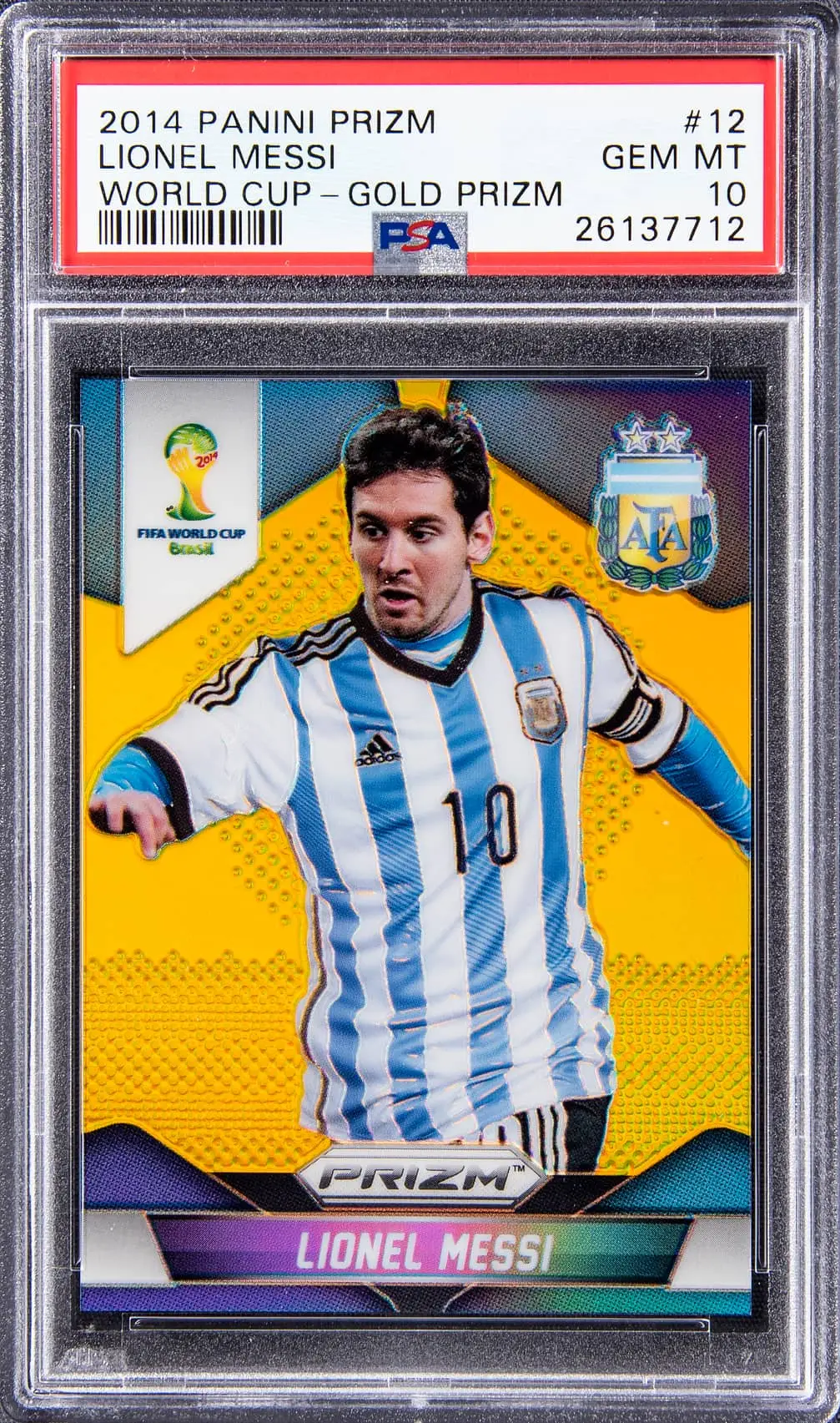
In the 50s and 60s, a boom in baseball cards with chewing gum exploded in the USA - it became a mass children's entertainment, but still without "investment" customs. Only in the early 90s did the market change dramatically, with the appearance of the company PSA (Professional Sports Authenticator), which came up with a simple trick - to give the card a rating from 1 to 10 for condition and seal it in a transparent "sarcophagus" with a certificate.
What did it give? Before that, the seller could call the card "almost new", and the buyer could not confirm this because of the distrust that arose. When the inscription PSA 10 appeared, everyone understood that this is the maximum quality and such a card can be trusted even if you buy it online in another country. Hence all the crazy prices are growing, it is the "tens" from PSA or other top graders that today take the lion's share of record amounts.
And it's not just baseball anymore. Today, Pokemon, soccer, basketball, American football, and various board card games are in the top. Analysts estimate the global trading card market to be worth tens of billions of dollars. According to Intel Market Research, it could grow to about $90 billion by the early 2030s. The New York Post even directly writes : "the trading card industry has already reached $50 billion."
That is, for many it is no longer a childhood hobby, but a full-fledged asset class on a par with watches or art.
"Pieces of Cardboard" for half a million and more
To make it clear what kind of money we are talking about, here are a few high-profile cases.
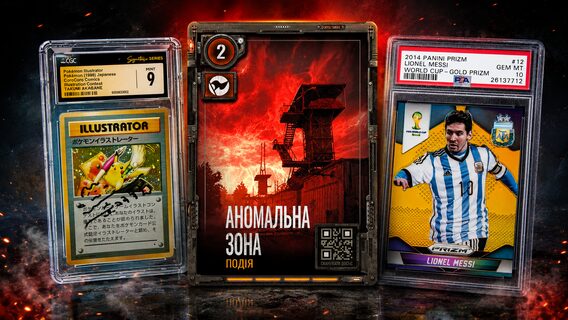
In May 2026, a 2015 Panini Flawless Sole Of The Game Signatures Gold 10/10 Lionel Messi card autographed by Messi was sold at auction. It received a PSA 7 grade for condition, but the key feature is its 10/10 serial number, just like the number on Messi’s jersey. This card fetched around $549,000–$551,000. For comparison, a very similar copy with a different number and grade from a different company (BGS) sold for around $72,000 in 2023, a difference of almost 7–8 times just because of the “correct” number and PSA brand.
Recently, the nearly 60-year-old era of cooperation between Panini and FIFA will end after the 2030 World Cup, giving way to a long-term exclusive contract with Fanatics. For Panini, this is a colossal loss, as the company earned a record $720 million from the 2022 World Cup collection alone, and is expected to earn $1.48 billion and $1.5 billion from the 2026 and 2030 tournaments, respectively. Fanatics is aiming for even bigger numbers, predicting to generate more than $4 billion in revenue from collectibles by 2026.
In the world of Pokemon, the stakes are even higher. Logan Paul sold a 1998 Japanese Illustrator Pikachu in mint condition PSA 10 for about $16.49 million this year, the highest price ever paid for a single card. And in May 2026, another rare card, a 1998 Japanese Promo Bronze 3rd Place Tournament Trophy Pikachu in PSA 10, went up for auction for about $1.769 million, setting a record for the Trophy Pikachu series. There are literally only a few bronze “trophy” Pikachus in the world, and PSA 10 is the only one, so the market rules over it like a real father.
Recently, American collector Jeff Pritchett traded his Audi R8 for a huge collection of Pokemon cards. The media estimates the collection to be worth around $140,000. A used Audi R8, depending on condition and year, costs around $40,000–$160,000, so mathematically the deal could even be a good one.
Who makes money from this and how?
To put it very simply, everyone who stands between the printing house and the "extreme collector" makes money:
Publishers (The Pokemon Company, Panini, Topps, etc.): come up with a set, print cards, sell boosters and boxes, and get the main "pie".
Stores: they simply make money on margin, but if they know that a series will be in short supply, they can introduce limits, queues, and "special rules" to avoid turning the hall into a battlefield.
Graders (PSA, BGS, CGC): charge a fee to look at a card under a magnifying glass, give it a "journal grade," and seal it in plastic; a good grade often adds hundreds and thousands of percent to the price.
Auctions (Goldin, Heritage, Fanatics Collect): bring in wealthy fans and investors and take a commission.
Flippers and investors: buy the product at launch, select the best copies, give them to PSA and sell when the hype reaches its peak.
For the average person, it looks something like this: you randomly draw a rare card, it seems “good,” you send it to PSA, get a score of, say, 9 or 10, and suddenly you realize that this is no longer just a “good card,” but the amount you could use to buy a car or real estate. At that moment, the hobby imperceptibly turns into a financial decision.
The more money, the more problems
Bloomberg has written about stories from Hong Kong where thieves have broken into stores, but they are not interested in cash registers, but in sealed Pokémon boxes - they are compact, expensive and easy to resell. The BBC describes the British card crime "smash-and-grab" - attacks where tens of thousands of pounds of goods are taken away in minutes. In Australia, according to the ABC, the number of card-related crimes in the state of Victoria has increased from 9 cases in 2021 to about 50 in 2025 - these are statistics, not isolated oddities.
There is also a less criminal, but no less toxic character - a scalper, or in our opinion, a swindler. This is a person who does not open cards "for the soul", but buys up the entire circulation on the first day, and then sells them three to four times more expensive.
Japanese Bic Camera has introduced a rule that the box of the new Pokemon series can only be purchased after passing a quiz on franchise knowledge, and at the checkout the box is opened or even partially damaged in order to kill the collectible value of the sealed product. On social networks, this has been called a "scalper war", when stores literally mutilate the product so that it goes to fans, not to overbuyers.
The culmination of absurdity is the story from a Best Buy in Pasadena. A 45-year-old man hid in the store until closing time to be first in line for Pokémon cards in the morning. He was caught on camera, the police were called, and now he's in trouble with the law for the chance to be first to the booster rack.
Ukrainian touch
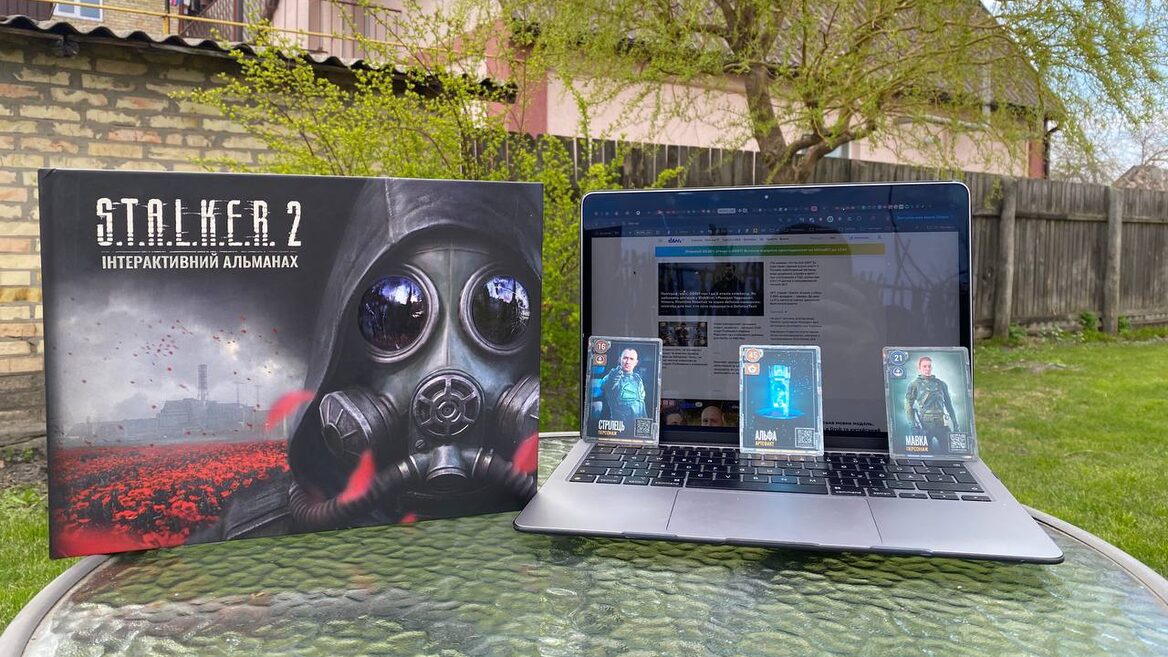
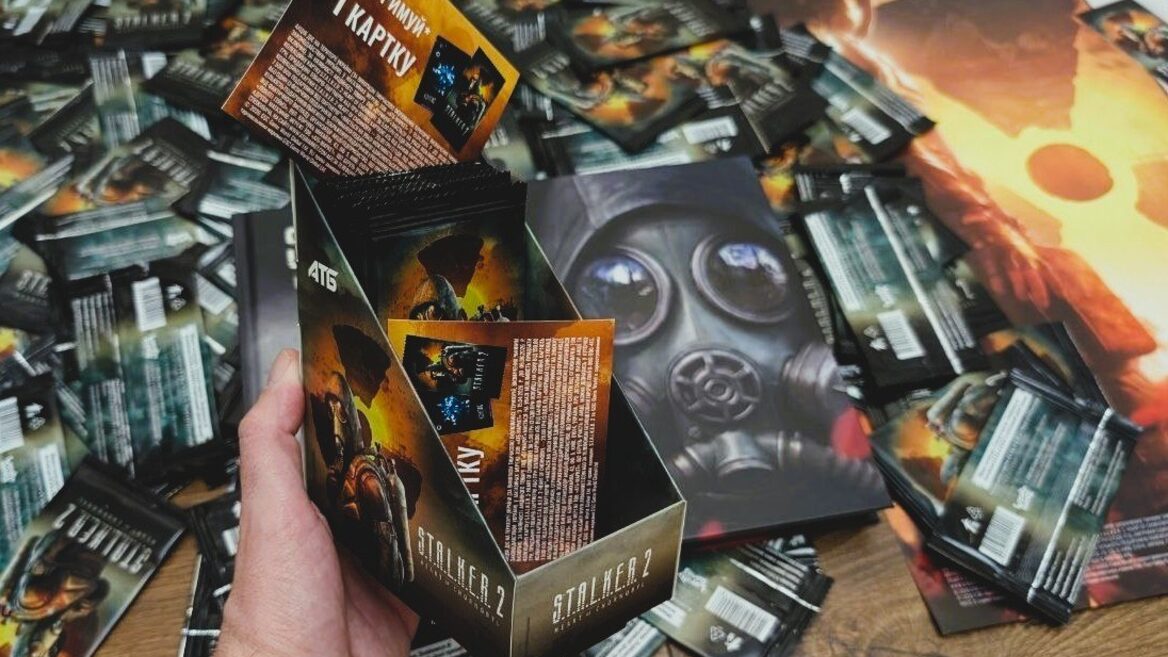
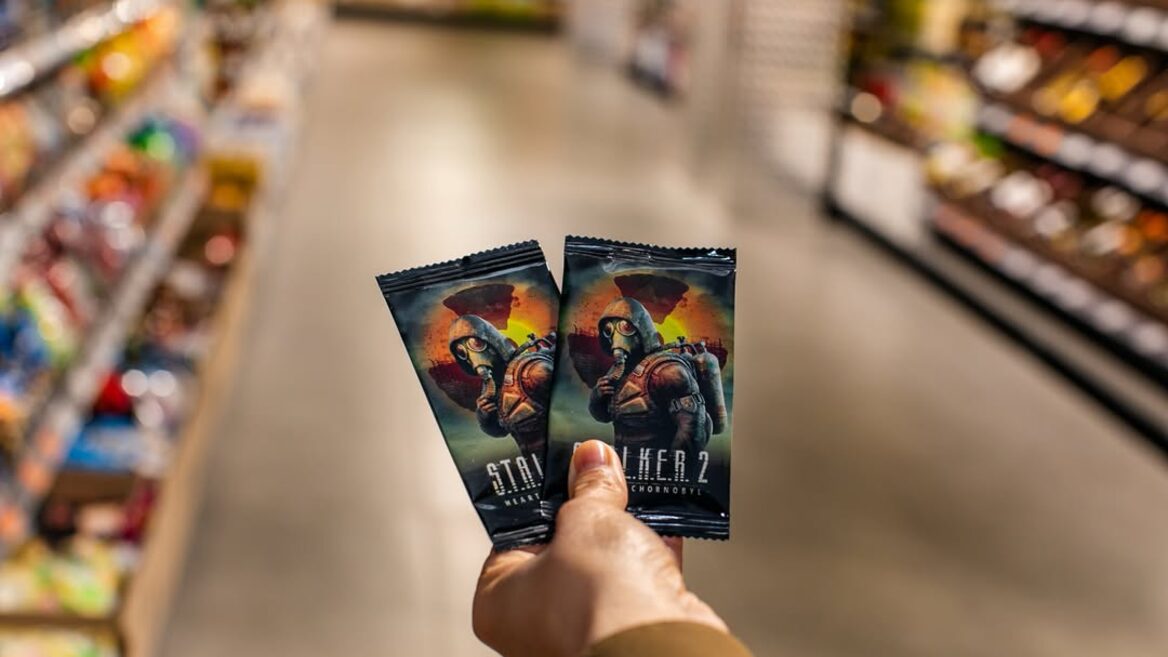
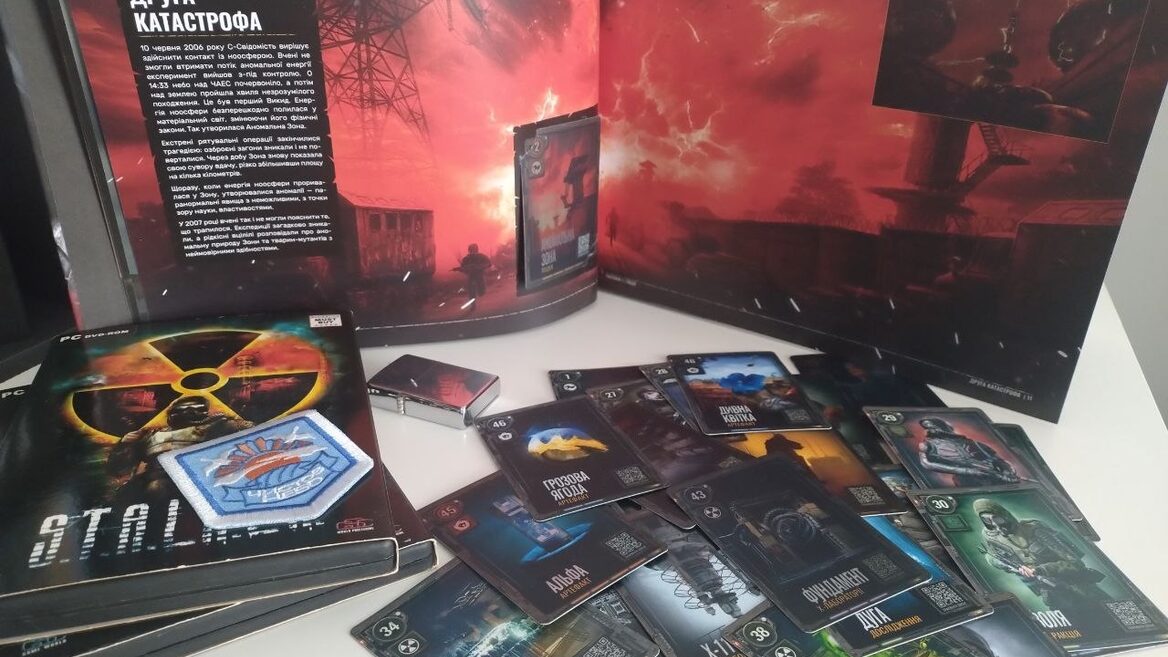
Ukraine is no stranger to this. In the spring of 2026, GSC Game World and the ATB chain launched a promotion with STALKER 2 cards: for purchases over a certain amount, buyers received packs of cards, and separately they sold an almanac where they could paste them and scan QR codes with voiceovers. In Kyiv and large cities, the almanacs were sold out in the first hours of the launch.
Then the familiar Pokémon pattern came into play: fans organized exchanges and chats, and on OLX, outbidding appeared, selling rare issues and full albums many times more expensive than the official prices. That is, in a few weeks, the local action completely repeated the global scenario: shortage, hype, outbidding, and people organizing a small private war to close all the issues in the album.
If you haven't yet collected a full collection of 48 STALKER 2 cards, dev.ua has released a detailed guide on how and where exchanges with real cases are carried out.
Краса та меланхолія кінця світу. За що світ полюбив The Last of Us?
2 вересня 2022 — дата виходу ремейку The Last of Us, який отримав назву The Last of Us Part I. Доцільність випуску повного ремейку, який робили з нуля для не настільки старої гри ще стоїть під питанням. Але заслуг першоджерела він не зменшує.
Адже 2013 року The Last of Us стала справжнім одкровенням для ігрової індустрії. Один із останніх ексклюзивів для PlayStation 3 остаточно вивів студію Naughty Dog у «вищу лігу», заодно продемонструвавши всьому світу, як можна робити ігри з акцентом на наратив. І на честь релізу рімейку ми вирішили згадати оригінал, який назавжди залишив слід у ігровій індустрії.