Хочете будувати кар’єру в Data Science та AI? Vodafone Big Data Lab відкриває новий набір —>
Марія БровінськаWar
30 March 2026, 09:00
2026-03-30
"Without technical specialists, the army begins to crumble." The head of unmanned systems of the Third Army Corps - why 3AK IT workers are needed and how to get there
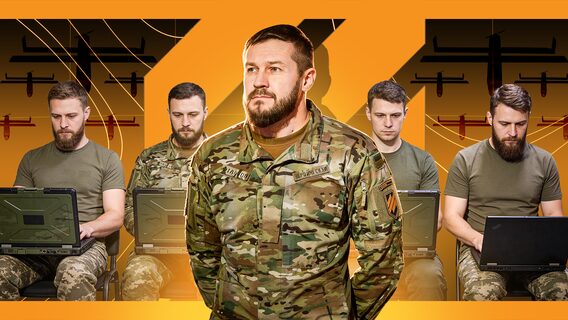
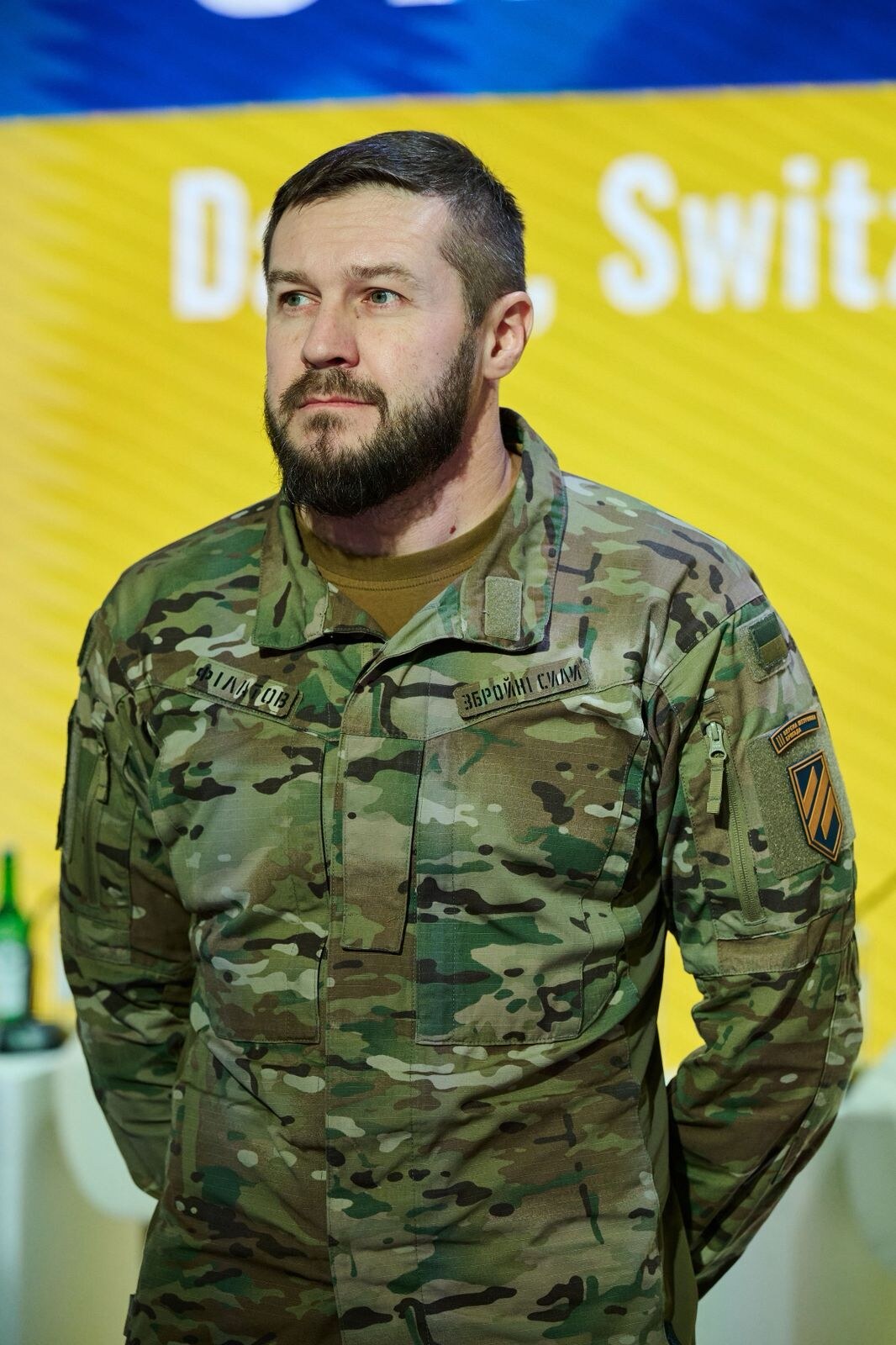
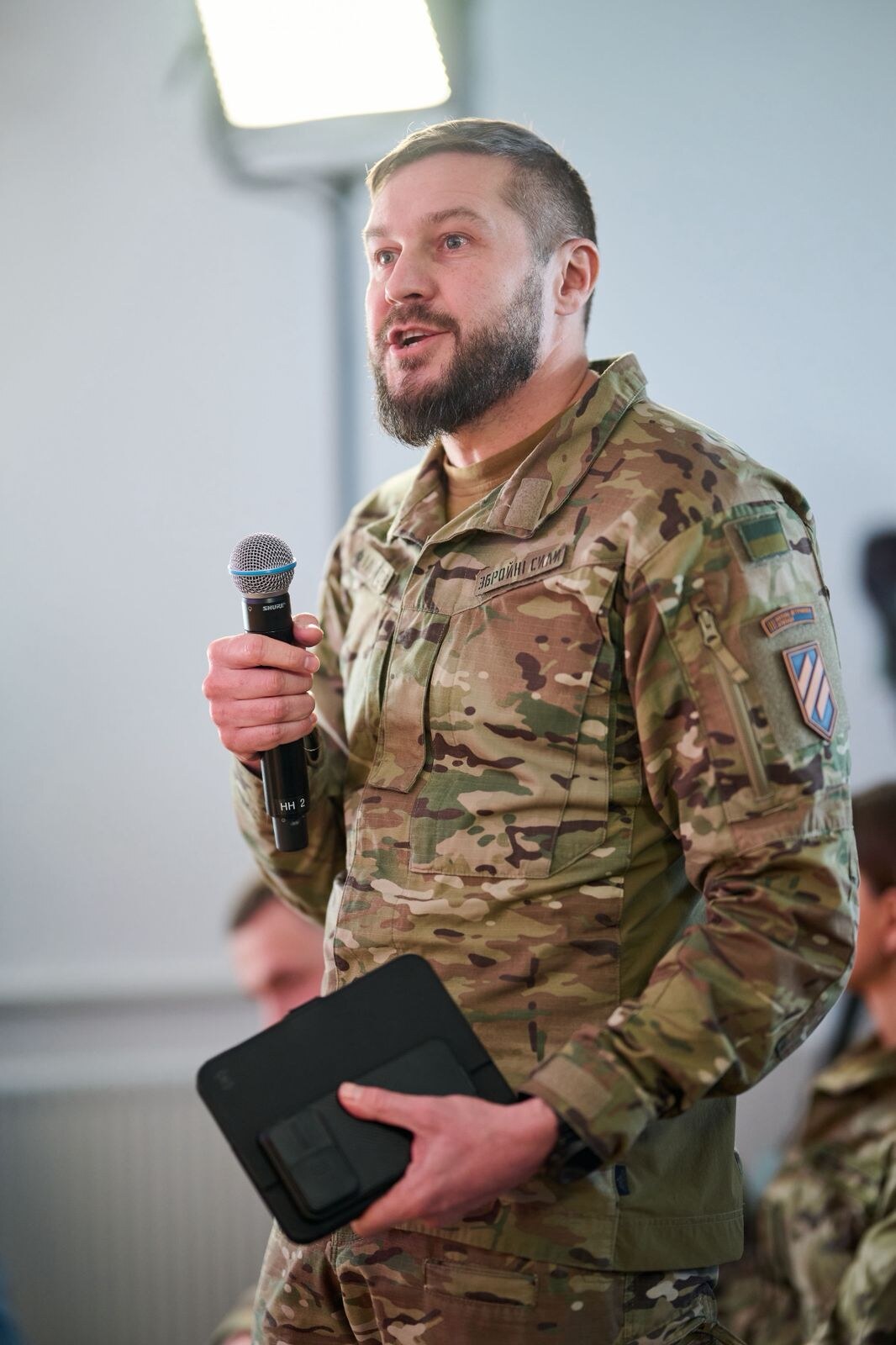
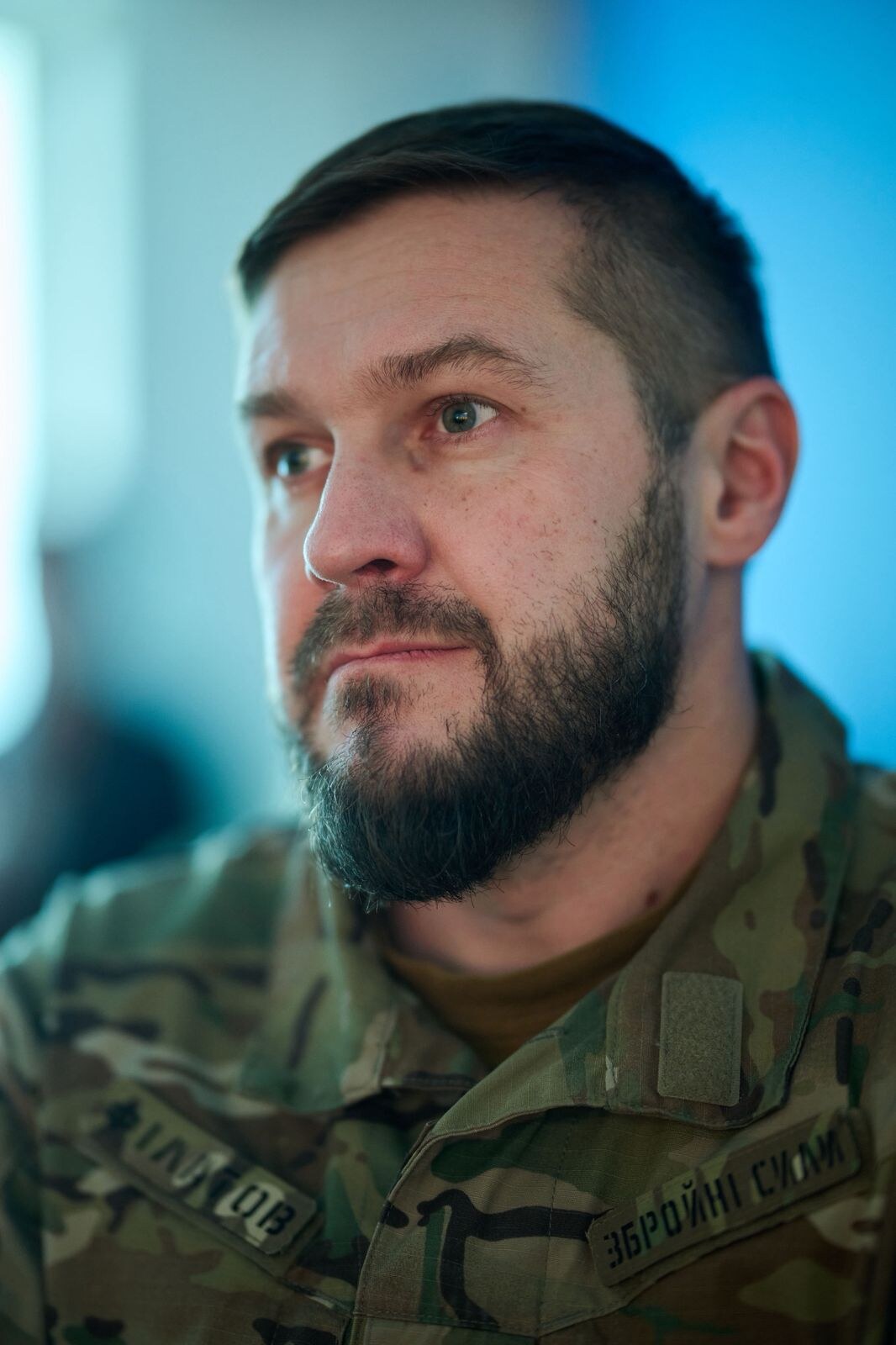
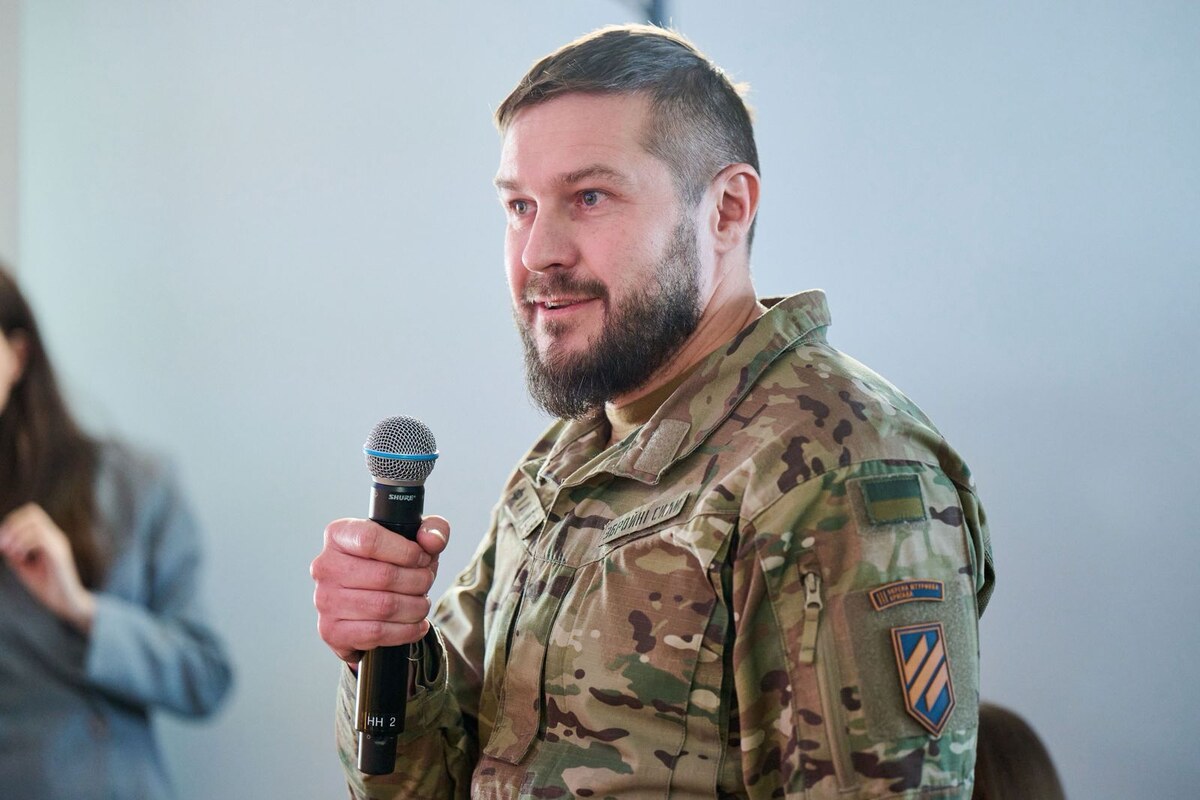
The Third Army Corps, commanded by Andriy Biletsky, is one of the most technologically oriented units of the Armed Forces of Ukraine. The corps is openly looking for IT specialists and does so systematically: with interviews, screening, and recruiters who guide the candidate through the process. We spoke with Yuriy «Phil» Filatov, Chief of Unmanned Systems of the Third Army Corps, about what IT really means in the modern army, what kind of people they are looking for, and what IT specialists are really afraid of when they enter.
The Third Army Corps, commanded by Andriy Biletsky, is one of the most technologically oriented units of the Armed Forces of Ukraine. The corps is openly looking for IT specialists and does so systematically: with interviews, screening, and recruiters who guide the candidate through the process. We spoke with Yuriy «Phil» Filatov, Chief of Unmanned Systems of the Third Army Corps, about what IT really means in the modern army, what kind of people they are looking for, and what IT specialists are really afraid of when they enter.
About IT at war
— What in the modern army is really supported by IT, and what begins to fall apart without technical specialists?
In fact, it’s a lot. A modern army relies not only on people, weapons, or equipment, but also on IT. These are situational awareness systems, communications, security, fast data processing, and the development of new solutions that help to be more effective on the battlefield.
Without technical specialists, many processes either simply start to fall apart or work more slowly, less accurately, and with greater risks.
And in our conditions, the price of such slowness is often human lives.
We are much smaller than the enemy, so we cannot fight with numbers alone. That is why we seek and create technological solutions that give us an advantage and, most importantly, save the lives of our people.
— Where is the biggest gap between need and reality?
The biggest gap is between the need for systemic IT solutions and the actual scale of their implementation. This is most painfully visible in communications, data integration, logistics, and management processes. There are already some strong solutions, but until they work as a single system, much remains manual. In war, this means loss of time, accuracy, and, sometimes, too high a price.
— What do you miss the most?
There is a lack of everything — but first of all, people. Behind any systems, integrations, and processes, there are still professionals who can build, implement, and support them. There are a lot of ideas and tasks today, but there are far fewer hands to implement them than necessary.
— When did it become obvious to 3AK that it could no longer do without strong IT?
This became apparent even before the creation of the Third Army Corps — back in the days of the 3rd Assault. This is not a reaction to one specific problem. As a unit grows, processes become more complicated, the volume of data, coordination, communication and management tasks increase. Without a strong IT component, all this either slows down or is kept in manual mode — which in the army very quickly becomes a critical problem.
About IT workers at work
— If we take a strong civilian IT specialist, on what tasks will his work be felt the fastest?
Most noticeable where there is a lot of manual work, time loss or gaps between processes: automation, internal systems, integrations, data work, digitalization of management and logistics processes. Even one good technical solution can affect the speed, quality of coordination and efficiency of the unit.
Of course, there are its own specifics — it takes time to understand military processes and context. But it’s similar to civilian onboarding: there is immersion in the subject area, there is a team and tasks where your expertise begins to bring benefits. It’s just that here the price of quality work is much higher, and the result is felt much more sharply.
— Who exactly is 3AK looking for?
In short, almost the entire spectrum of technical specialists. Currently, there are open roles for developers, data specialists, communication specialists, network administrators, UAV specialists, radio electronics, electronic warfare/electronics. If a person has strong technical expertise, there will be a place for him where it will bring real benefit. The current list of vacancies is on the official website of 3AK .
— Where does the deficit hit hardest?
The most critical roles are those that directly impact combat effectiveness: UAVs, communications, electronic warfare/electronics, networks, and data analytics. This is where the shortage is greatest, because without these people, the unit loses speed, accuracy, and resilience.
— Is there a demand for AI, computer vision, data science?
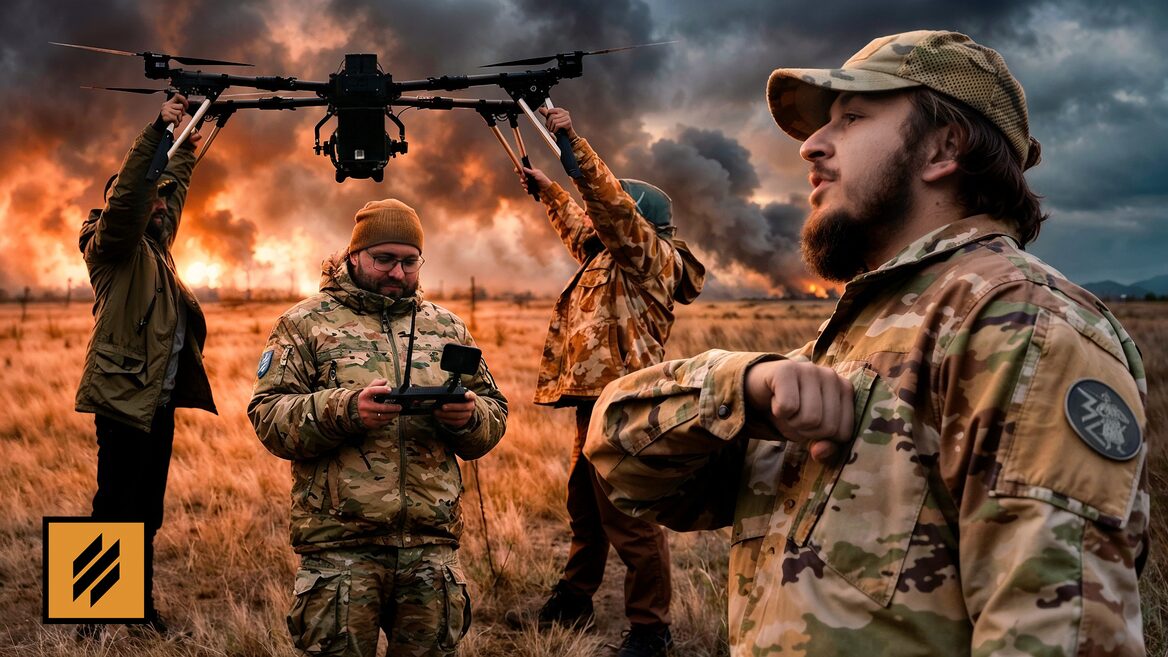
Yes, and it is not abstract for us. The most relevant is in the unmanned direction — tasks related to UAVs and NRCs. Processing and analysis of video and images from drones, decryption, target detection, improving the quality of situational awareness, supporting decision-making and working with data sets that cannot be effectively processed manually.
— How many IT specialists already serve in 3AK?
Not enough. (Laughs.)
About recruiting
— What does the path of an IT specialist look like from first contact to a specific technical position?
In many ways, it is similar to the civilian one — just with an important stage between the offer and the start of work. A person submits a resume, goes through an interview, receives a decision on a specific role. After that, there is basic military training, and only then is the transition to a technical position and immersion in real tasks. The logic is familiar: first, your expertise and suitability for the tasks are assessed, then the necessary military stage.
— How long does the whole process take?
In a normal scenario, it takes about 2–2.5 months from first contact to entering the unit.
— How is the BZVP for technical specialists?
BZVP is not a formal checkmark or an exception for IT workers. For those who have not served before or have had a long break, basic training is mandatory and lasts 51 days. Regardless of whether you are a developer, analyst, or engineer.
Why is this important? First, it is a requirement of the system. Second, we remain military, not just civilian specialists in uniform.
A person in a technical position must understand basic military principles, security, interoperability, and tactical medicine.
The peculiarity of professional roles is not that the BZVP simplifies, but that after the base, a person enters their professional function.
— Is the selection similar to civilian recruitment?
Maximum. There is an initial screening, an interview, an assessment of experience, a check of the person’s suitability for a specific role. We are not just looking for «someone in IT», but we understand where a specialist will be of the greatest benefit. We have a lot of people who came from civilian IT — they have transferred the same approaches that they are used to in a normal professional environment.
— Is there support for the candidate throughout the process?
Yes. There are recruiters who guide a person through all stages, keep in touch and explain what happens next. For us, this is fundamental: people are not a «resource», but a key value. In conditions of competition for good specialists, high-quality support is a matter of the efficiency of the entire process.
— Which candidates most often «fall off» along the way?
Most often, those whose expectations do not coincide with the reality of the service. First of all, people who would like to work remotely or in conditions that are as close as possible to civilian work. There are limitations here, and it is not always possible to provide the level of flexibility or everyday comfort that we are used to in the civilian sector. There is also a factor of competition: civilian companies often offer higher salaries and more predictable conditions.
That is, it is not weak specialists who most often «fall off», but those who are not yet ready for the format itself.
— What is the most common fear of IT people at the entrance?
Most often, they are afraid of army «delays», chaos and the fact that their expertise will dissolve in the system. We answer this directly: we deliberately minimize such things, because they hinder the result. Our task is to ensure that a person enters the role as quickly as possible and starts working where his benefit is maximum.
About service guarantees by specialty
— Can an IT professional end up in the infantry instead of a technical role?
This fear is understandable and partly justified. Because we are talking about war, and in war not everything can be predicted one hundred percent. Circumstances can change, and it would be dishonest to pretend that such risks do not exist.
But something else is important: that is why we prepare people not for the «ideal scenario», but for reality. Our task is to introduce a person to his professional role as clearly as possible and prepare him for the fact that in the army you need to be ready for different scenarios. This is not about chaos, but about readiness for reality.
— What really guarantees that a person will get that particular position?
First of all, commanders. Because they are the ones who are interested in building effective units from professional people in their places. A person is not selected «for nowhere», but for a specific function, specific tasks and a specific team.
We must be honest: the current staffing system does not always keep up with reality.
It is not always possible to «sew» the role of a Python developer or a narrow technical engineer into documents. Therefore, everything depends on the internal decision of the unit, team agreement, and the word of the commander.
The main mechanism here is not the formal title of the position, but the real tasks of the person and the team in which they will work.
About the working conditions of IT workers in the army
— Where do the IT specialists of the corps physically work?
It depends on the task. In the military, there is no clear division into «front» and «rear», because many processes require rapid information transfer and constant feedback. That is why some technical specialists work closer to the units. To make useful decisions, you need not only to write code, but also to understand the context and real needs on the ground.
— How much does the rhythm differ from a civilian IT company?
To some extent, it is similar: there are tasks, responsibility, teamwork, and the need to quickly find solutions.
But this is an army — a different level of concentration, a different price for error, and higher requirements for internal organization.
The main difference is not so much in the work itself, but in the context. In a civilian company, many things can wait. Here, they can’t. Your decisions are more likely to affect real processes, and sometimes directly on people.
At the same time, we have basic human things: normal conditions, food, coffee, the opportunity to play sports. But the most important thing is the feeling that you are working in a strong team on tasks that really matter.
As portraitists in the Third Army Corps
— How to get to 3AK: describe a brief algorithm.
3AK vacancies are posted on the Lobby X platform. It is important to understand: it is impossible to «pull» a person out of the CCC — so it is worth deciding on the unit in advance and choosing a vacancy yourself.
After sending the CV, recruiters will contact you within 1–2 days. Then there are several stages of interviews, depending on the position. The fact of passing the interview itself is not a basis for issuing documents that would protect against mobilization measures by the CCC.
— Give advice to new recruits.
Don’t go into this process «blindly.» Choose a unit right away, talk to the commander or the person in charge of the direction, and ask all the important questions before you start: about the role, tasks, service format, expectations, selection stages. The more clarity you have at the beginning, the higher the likelihood that you will end up in the role you are hoping for.
«We don’t coordinate developments with the General Staff — otherwise they would have been going to the front for years.» How the Third Army Corps’ R&D Works
Німеччина передасть Україні 14 наземних безпілотників THeMIS. Що це за машини та як вони працюють
Німеччина передасть Україні 14 наземних безпілотників THeMIS. Імовірно, 7 таких транспортних засобів прибудуть до України до кінця цього року, вони призначені для евакуації поранених. Інші очікуються у 2023 році — їх будуть використовувати для очищення доріг. Нагадуємо, що це за зброя і що вона вміє.
Атлас зброї: Німеччина передає захисникам чергові MARS II. Які ще РСЗВ отримала Україна від західних партнерів та як вони працюють
Федеральне міністерство оборони Німеччини повідомило у Twitter, що у найближчі кілька тижнів Україні будуть передані чергові системи залпового вогню MARS II.
Раніше ми розповідали про те, які РСЗВ партнери надіслали на допомогу українським воїнам. Нагадуємо про це знову.
(Текст від 26 липня)
На український ударний дрон PUNISHER зібрали понад 1,3 млн грн. Що може гроза командних центрів ворога
Дмитро Томчук повідомив, що найлегші та найменші ударні дрони PUNISHER, які не мають аналогів у світі, тепер коштують $70 000. Виробник додав у комплекс ще одного безпілотника, і тепер їх там два. Дмитро пише, що Юлія Черешня та Павло Харузов зібрали на комплекс більше 1,3 млн грн.
Раніше він розповів журналісту dev.ua, що вміють ці «пташки», та чому саме вони можуть переламати хід війни на користь України.
(текст від 1 червня 2022 року)
США в черговому пакеті допомоги надасть Україні дрони Switchblade 600. Подробиці про ці та інші «пташки», якими користуються українські захисники
Серед списку допомоги, яку пропонує Пентагон, є дрони-камікадзе Switchblade 600, які офіційний Київ просив передати раніше.
Контракт на дослідження та розробку для 10 дронів SwitchBlade 600 виробника Aerovironment, очікується протягом наступних 30 днів, заявила прес-секретар Пентагона Джессіка Максвелл в електронному листі до News Defense.
Ми зібрали список дронів, які використовують українці проти ворога, в тому числі і подробиці про Switchblade 600.
(текст від 17 травня 2022)