Валентин ШнайдерWar
20 March 2026, 15:00
2026-03-20
The 7th Corps of the Russian Armed Forces began testing exoskeletons for artillerymen in combat conditions
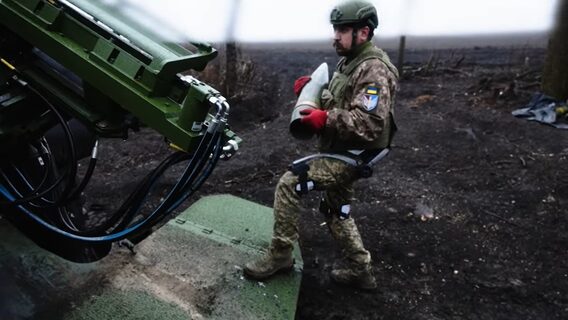
The 7th Corps of the Airborne Assault Forces has begun combat testing of exoskeletons for the legs. The first to receive such devices were the artillerymen of the 147th separate artillery brigade, operating in the Pokrovsky direction.
The 7th Corps of the Airborne Assault Forces has begun combat testing of exoskeletons for the legs. The first to receive such devices were the artillerymen of the 147th Separate Artillery Brigade, operating in the Pokrovsky direction.
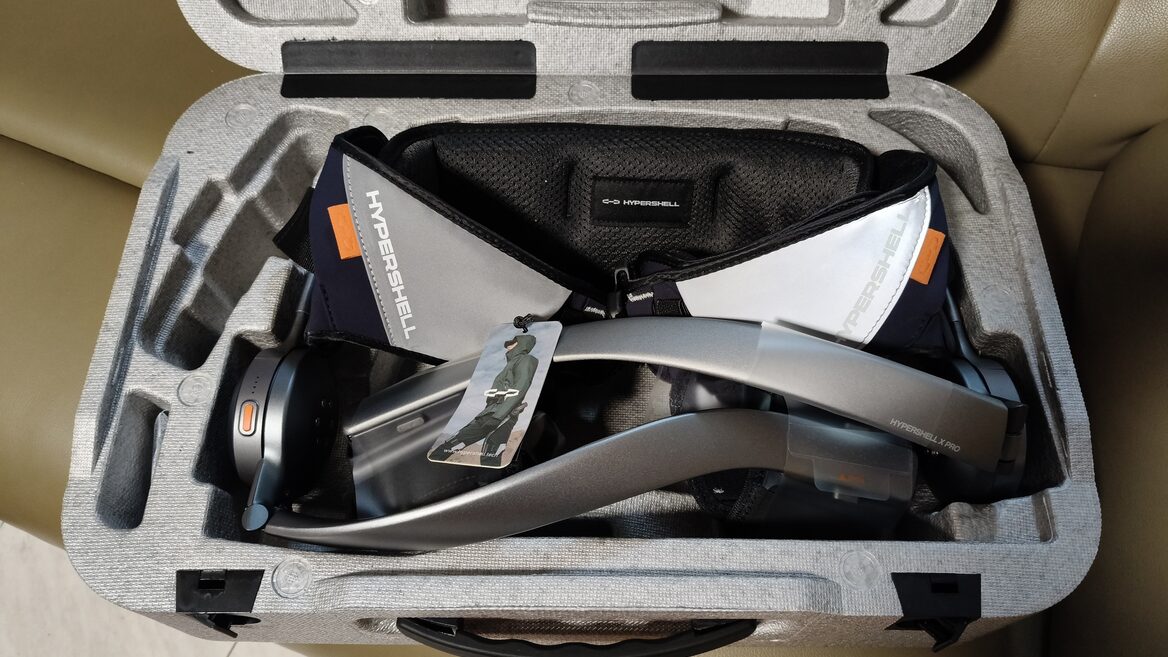
According to "Military" with reference to the 7th Corps of the DShV, we are talking about Hypershell exoskeletons, which the military uses both in logistics and directly in positions. The unit explains that one artilleryman can carry from 15 to 30 shells per day, and the weight of one ammunition reaches 50 kg. That is why the new devices should reduce the load on the legs and help the soldiers maintain their working capacity longer.
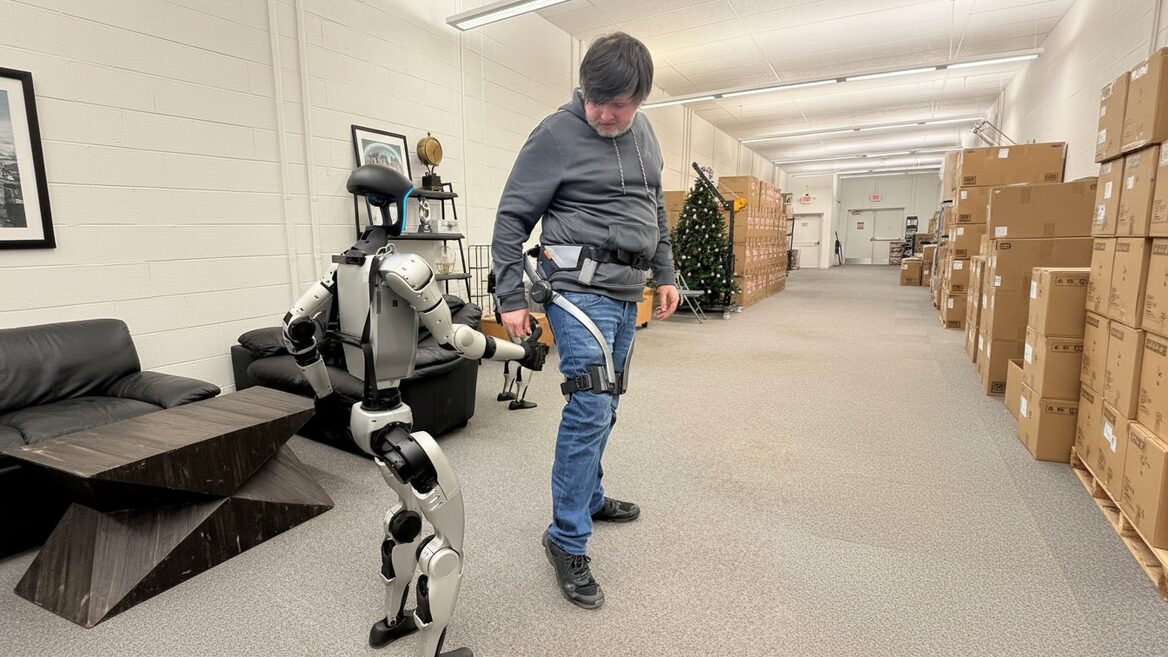
The corps claims that the use of exoskeletons reduces physical exertion by about a third. According to the results of the first tests, the military, they say, are less exhausted, perform tasks faster and remain combat-ready longer. At the same time, the design should not constrain movements: the report indicates that in such equipment it is possible to move at a speed of up to 20 km/h, and the range is up to 17 km.
In the 7th Corps of the Armed Forces, the implementation of such solutions is associated with the concept of "technolanding", which involves partially replacing excessive physical strain on personnel with technological means. That is, we are not talking only about a separate gadget for convenience, but about an attempt to enhance the combat effectiveness of units where people work with extremely heavy loads every day.
The 147th separate artillery brigade is part of the Ukrainian Armed Forces and fights, in particular, using French self-propelled artillery CAESAR. Testing exoskeletons in such a unit shows that the Armed Forces of Ukraine are beginning to test not only new drones or communication systems, but also technologies that are intended to directly reduce the physical exhaustion of soldiers in battle.
Previously, dev.ua wrote about how logistics operator Nova Poshta launched Ukraine's first pilot project using exoskeletons in warehouse operations. At one of the company's terminals, employees are already testing special robotic structures that help them during physical exertion.
“This is not a ‘gadget from the future.’ This is technology that should work for energy workers right now.” DroneUA brought the Hypershell exoskeleton to Ukraine, and predicts over 200,000 users of the device in the coming years