Хочете будувати кар’єру в Data Science та AI? Vodafone Big Data Lab відкриває новий набір —>
Олександр КузьменкоAI Eng
3 November 2026, 11:37
2026-11-03
American "superintelligence" will assess the level of danger of prisoners for their distribution in prisons
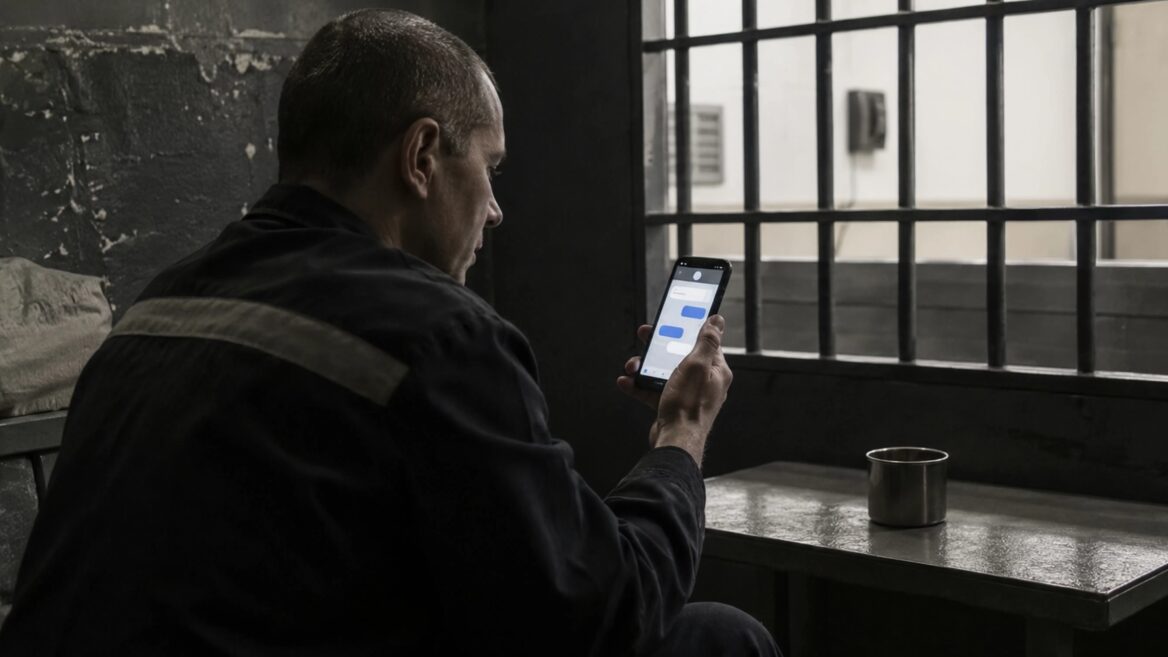
The Michigan Department of Corrections (MDOC) is launching a pilot project in December using artificial intelligence to allocate inmates by risk level among correctional facilities. The AI system is expected to improve its ability to predict future violence by inmates.
The Michigan Department of Corrections (MDOC) is launching a pilot project in December using artificial intelligence to allocate inmates by risk level among correctional facilities. The AI system is expected to improve its ability to predict future violence by inmates.
This is reported by Futurism with reference to the American TV channel Fox2. The new system is being implemented in cooperation with the non-profit technology company Recidiviz, which created a corresponding software platform with integrated AI.
Recidiviz, a technology company that began as an internal data organization project at Google, aimed to standardize criminal justice data across the United States. The system analyzes the information and identifies individuals who are eligible for government rehabilitation programs, reclassification, or early release, and helps match them with access to temporary housing and employment.
The state government notes that there are five levels of detention in Michigan. Previously, special commissions of prison staff were responsible for assessing risks, but now these functions are partially delegated to algorithms. According to MDOC, the implementation of AI should improve the accuracy of predicting the risks of future violence from prisoners by about 30%, although the department does not disclose the methodology for calculating this figure. The new tool will first be tested in several men’s prisons.
The project has already raised concerns among human rights activists about the risks of algorithmic bias. For prisoners, changing the security level significantly affects the conditions of serving their sentences and access to rehabilitation programs.
A ProPublica investigation into similar systems in Louisiana found that the input to the algorithms often contained racial and socioeconomic biases, leading to erroneous decisions — including when the system classified a 70-year-old blind man in a wheelchair as a “moderate risk” of reoffending, making him ineligible for parole.
Як нейромережі бачать вільну та незалежну Україну? Тест dev.ua
Нейронні мережі для генерації зображень бачать світ по-своєму, їхню логіку зрозуміти часом зовсім неможливо. Але таки хочеться. На честь Дня Незалежності України редакція dev.ua вирішила провести невеликий експеримент.
Ми задали чотирьом різним нейронним мережам п’ять однакових запитів: «прапор України», «День Незалежності України», «український Крим», «перемога України» та «українці». Отриманими результатами ми ділимося з вами нижче.
У TikTok тепер можна генерувати фон за допомогою нейромережі. Ми протестували її та ділимося результатами
У TikTok з’явилася нова функція «Розумний фон». З її допомогою як фон для тіктоків можна підставляти згенеровані нейромережею зображення. Редакція dev.ua протестувала цю технологію і ділиться своїми враженнями.