Наталя ХандусенкоWeapon
10 December 2024, 17:05
2024-12-10
An American volunteer developed a fiber-optic drone for the Armed Forces and tested its prototype on the battlefield in Ukraine
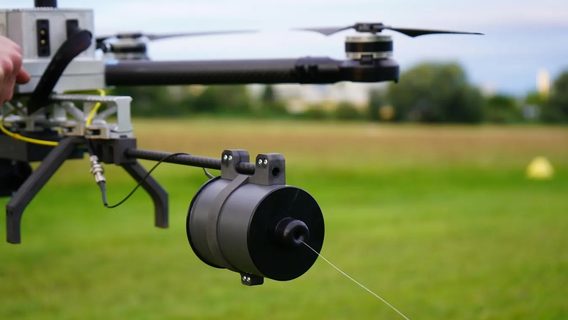
In March, former US Marine Troy Smothers read a Forbes article about a new experimental Russian drone that communicated with an operator using a fiber-optic cable. Smothers, who raises funds for Ukraine through his website Drone Reaper, decided to try to develop his own version. Three months later, he took his prototype and went to Ukraine.
In March, former US Marine Troy Smothers read a Forbes article about a new experimental Russian drone that communicated with an operator using a fiber-optic cable. Smothers, who raises funds for Ukraine through his website Drone Reaper, decided to try to develop his own version. Three months later, he took his prototype and went to Ukraine.
In Ukraine, Smothers met with representatives of various Defense companies and organizations: from private to Ukroboronprom and Brave1.
"I showed them how they could attach a small accessory kit and turn their UAV into a fiber-optic drone for less than $200," said the volunteer in an interview with Forbes.
Smothers gave everyone an opportunity to test the prototype. The spool and mechanism added weight, but was sufficient for the warhead. The cable did not break or get tangled, and the maneuverability was more than sufficient for attack missions. And the drone could hit targets several miles away.
Source: Forbes
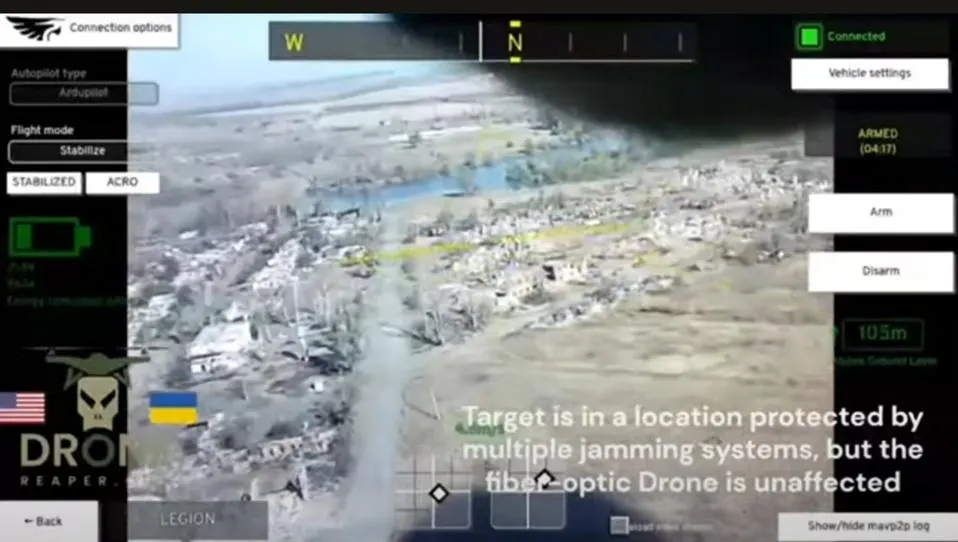
In early October, four months after arriving in Ukraine, Smothers found himself on the front lines with the International Legion to test his design on the battlefield. The drone performed as flawlessly as it did during the demonstrations. Completely unaffected by interference, the FPV transmitted a clear signal right up to the moment of fall.
Since then, there have been several more confirmed cases of destruction of Ukrainian fiber-optic FPVs. Anecdotal reports put the hit rate at around 80-90%, which is much higher than that of radio-controlled drones, which are often lost due to jamming.
Smothers thought he had reduced the cost of his development as much as possible, but the Ukrainians reduced it even more.
"They took the original design and simplified it," Smothers said.
The American is satisfied with what he and his Ukrainian colleagues have already achieved. He is currently developing his next ideas for combating drones.
"It was great to get the fiber optic drones up and running," says Smothers. "And it's all because of reading that first article."