Хочете будувати кар’єру в Data Science та AI? Vodafone Big Data Lab відкриває новий набір —>
Марія БровінськаAI Eng
12 March 2025, 08:17
2025-03-12
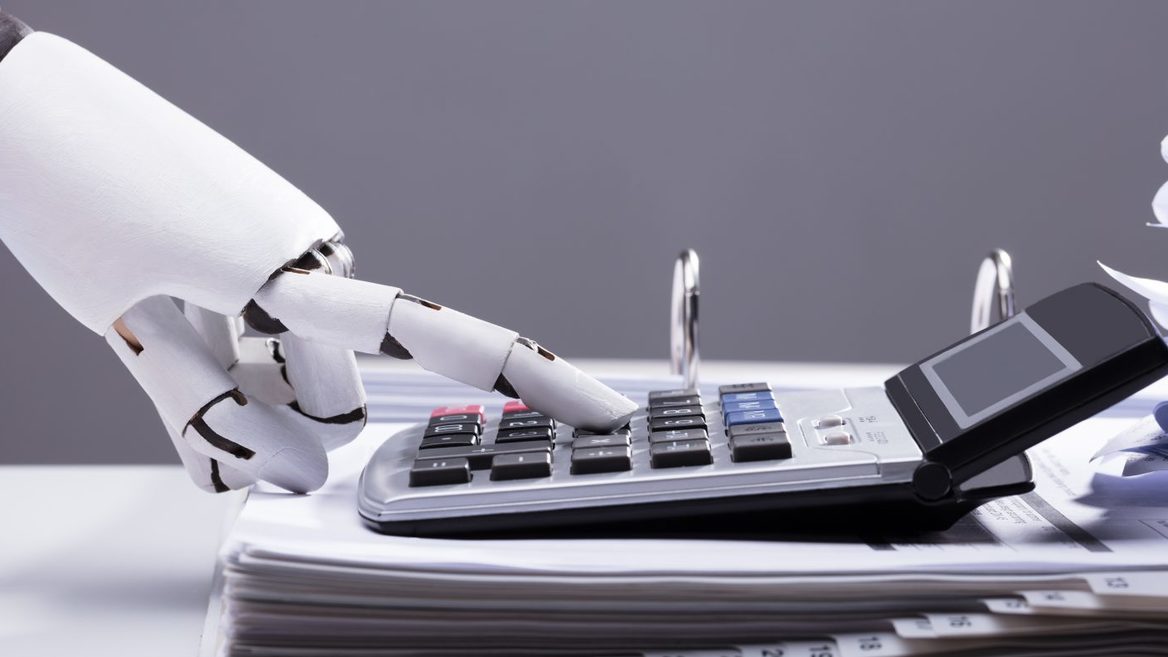
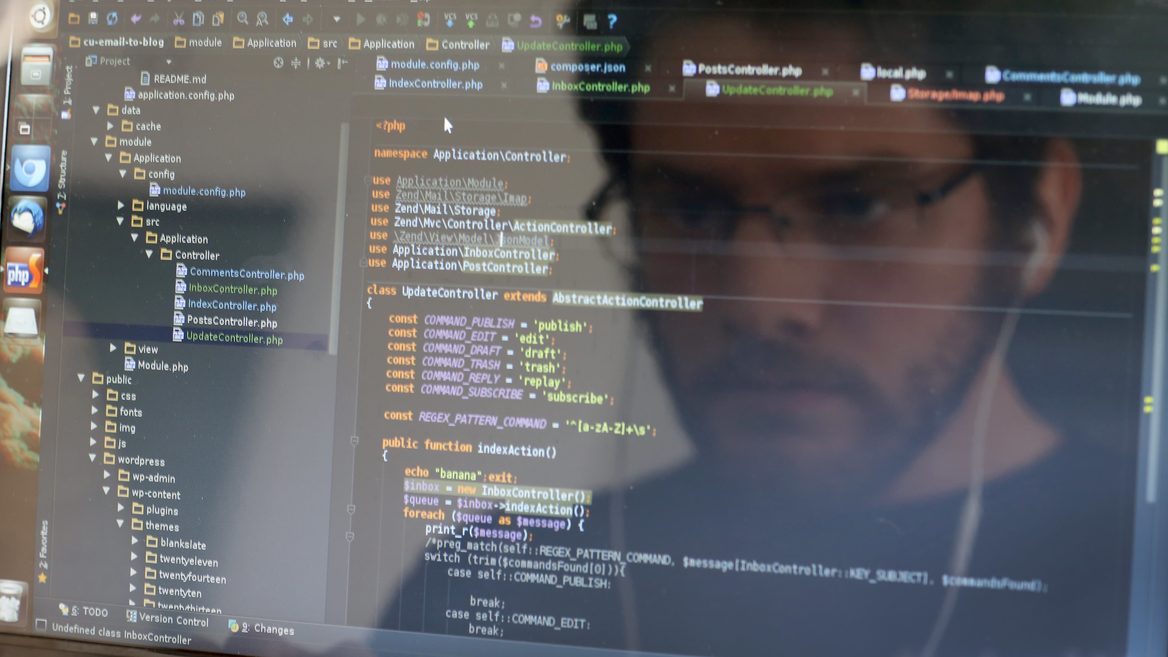
“In 12 months, we could be in a world where AI writes virtually all the code.” Anthropic CEO believes AI will replace programmers within a year
Dario Amodei, CEO of Anthropic, the maker of the Claude series of models, recently made a startling prediction about the future of coding. During a panel discussion, he suggested that the rapid development of artificial intelligence could lead to a near-total takeover of coding tasks within the next year.
Dario Amodei, CEO of Anthropic, the maker of the Claude series of models, recently made a startling prediction about the future of coding. During a panel discussion, he suggested that the rapid development of artificial intelligence could lead to a near-total takeover of coding tasks within the next year.
The announcement comes as AI coding tools like GitHub Copilot and Anthropic’s Claude Code demonstrate increasingly sophisticated capabilities, generating functional code based on natural language prompts and even debugging existing code. However, Amodei’s timeline is much more aggressive than most industry predictions.
«But now, moving on to the work side (of programming),» Amodei stated, «I have some concerns about this.»
He continued, «On the one hand, I think comparative advantage is a very powerful tool. If I look at coding, programming, which is one of the areas where AI is making the most progress, we are not far from a world — I think we will be there in three to six months — where AI will write 90% of the code.»
Amodei concluded his speech with a startling prediction: «And in 12 months, we could find ourselves in a world where AI will write virtually all the code.»
These statements paint a picture of a near future in which the role of human programmers will change dramatically. Amodei’s concern is the potential displacement of a significant portion of the software development workforce. While he acknowledges the power of comparative advantage in terms of people moving to higher-level tasks, the sheer speed of this projected transformation raises critical questions about workforce adaptation and the need for retraining programs.
The implications of Amodei’s predictions are profound. If 90% of code is indeed generated by AI within the next six months, it could cause massive changes in the software development industry.
Anthropic isn’t the only AI company predicting this — OpenAI CEO Sam Altman has said that by the end of 2025, the world’s best coder will be an artificial intelligence.
This could force companies to significantly reduce their programming teams, focusing on rapid engineering and AI oversight. Universities and coding camps will have to adapt their curricula to prepare students for this new reality.
While the demand for highly specialized programmers may remain, the need for entry-level programmers may decline dramatically. In addition, the very nature of software development may change, as AI takes over most of the repetitive coding tasks, freeing humans to focus on more creative and strategic aspects, such as design, architecture, and problem-solving. But not everyone is convinced that Amodei’s predictions will come true.
Previously, Mike Krieger, co-founder of Instagram and now Chief Product Officer at AI company Anthropic, said that the role of software engineers is rapidly changing, and that they will soon start reviewing «routine code» created by artificial intelligence, rather than writing it themselves.
Amazon Web Services CEO Matt Garman says the rapid emergence and adoption of AI could force software developers to stop coding, forcing them to upskill in the field to gain new skills.
Their statements come amid the growing popularity of the programming technique vibe-coding, which involves delegating the writing of code to AI chatbots based on user instructions. It was first described by Andrey Karpaty, a former OpenAI researcher and now director of artificial intelligence and computer vision for Autopilot at Tesla.
«I ask [the AI chatbot] the dumbest things, like ‘halve the sidebar padding,’ because I’m too lazy to figure it out myself. I always ‘Accept All,’ I don’t read the differences anymore,» he says.
Vibe coding is becoming increasingly popular in IT — programmers simply ask AI to perform certain tasks and do not delve into the actual code that the chatbot offers.