Хочете будувати кар’єру в Data Science та AI? Vodafone Big Data Lab відкриває новий набір —>
Валентин ШнайдерAI Eng
26 June 2025, 16:32
2025-06-26
Anthropic burned millions of books to train its AI: court finds it legal
Anthropic, a US company, spent millions of dollars on mass destruction of paper books to digitize their contents and use them to train its AI model Claude. A court ruled that this constituted «fair use» and posed a new moral dilemma for the AI industry.
Anthropic, a US company, spent millions of dollars on mass destruction of paper books to digitize their contents and use them to train its AI model Claude. A court ruled that this constituted «fair use» and posed a new moral dilemma for the AI industry.
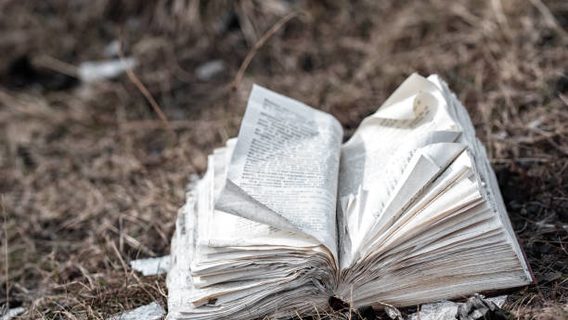
A US federal court ruling cited by Ars Technica reveals details of a massive digitization effort that Anthropic conducted in early 2024. The company hired Tom Turvey, a former Google Books project manager, with the task of obtaining «every book in the world.» The purchased used books were massively cut from their bindings, scanned, and destroyed after being converted into PDF files for training neural networks.
Unlike Google Books, which used contactless scanning and returned books to libraries, Anthropic used a cheaper and faster, but destructive, method. The decision was based on the US original source doctrine: if a company has bought a book, it has the right to destroy it. Judge William Alsup found that converting paper editions into digital format, without distributing the files, is a transformative use, similar to «optimizing space.»
The goal was simple: to gain access to high-quality, professionally edited text for training language models. High-quality content, books, articles — allow AI to generate more accurate, more logical answers than materials from social networks. Although the company initially used pirated electronic copies, it later decided to abandon questionable practices.
All of this underscores the AI industry’s appetite for billions of words, even if it means burning down libraries. In contrast, OpenAI, Microsoft, and Harvard are working together to digitize ancient manuscripts without destroying the originals.
More and more companies are opting for «clean» data to train AI. But the debate over morality, ownership, and cultural value remains open. Claude, built from millions of destroyed books, is already able to help write texts—including about the cost of creating it.
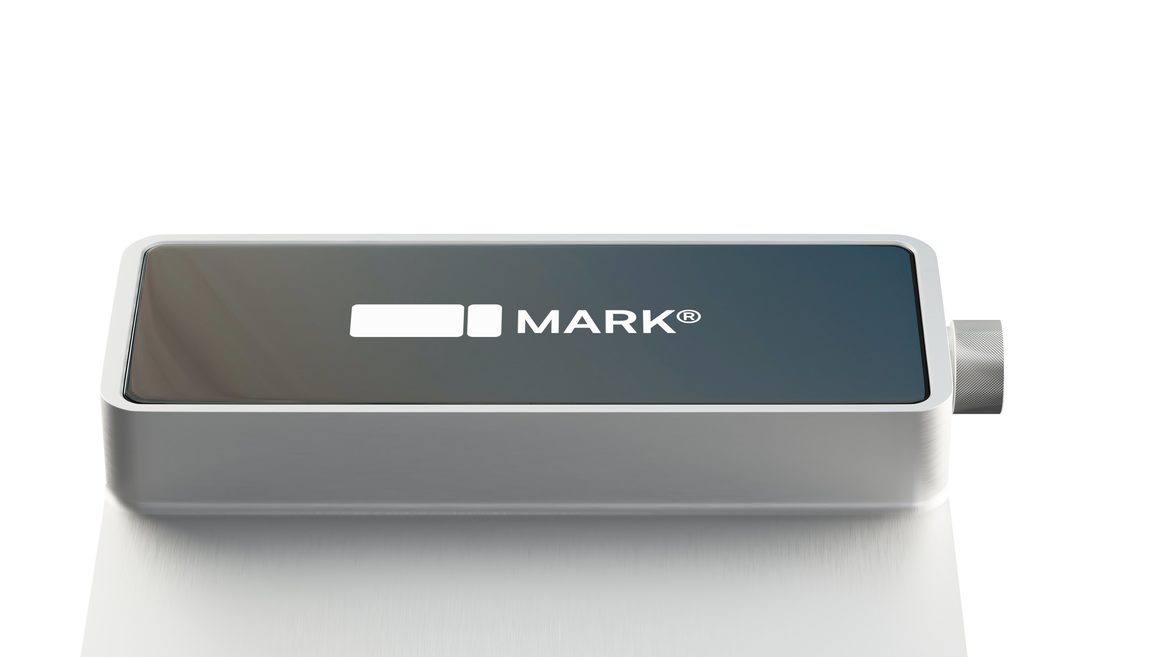
We also published an article about how two developers from the US created a startup called Mark, which is working on a product of the same name — an artificial intelligence bookmark for paper books. According to the plan, it can help summarize and remember the information read by sending reports to a smartphone.
Як нейромережі бачать вільну та незалежну Україну? Тест dev.ua
Нейронні мережі для генерації зображень бачать світ по-своєму, їхню логіку зрозуміти часом зовсім неможливо. Але таки хочеться. На честь Дня Незалежності України редакція dev.ua вирішила провести невеликий експеримент.
Ми задали чотирьом різним нейронним мережам п’ять однакових запитів: «прапор України», «День Незалежності України», «український Крим», «перемога України» та «українці». Отриманими результатами ми ділимося з вами нижче.
У TikTok тепер можна генерувати фон за допомогою нейромережі. Ми протестували її та ділимося результатами
У TikTok з’явилася нова функція «Розумний фон». З її допомогою як фон для тіктоків можна підставляти згенеровані нейромережею зображення. Редакція dev.ua протестувала цю технологію і ділиться своїми враженнями.