Хочете будувати кар’єру в Data Science та AI? Vodafone Big Data Lab відкриває новий набір —>
Валентин ШнайдерGadgets
29 October 2025, 15:13
2025-10-29
Apple plans to switch iPad and MacBook line to OLED displays: some models may become more expensive
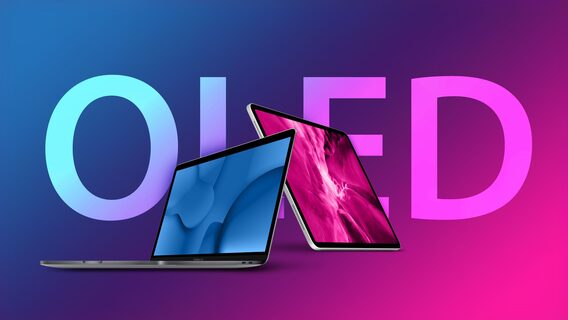
Apple is preparing its most popular lines to switch to OLED: the company is testing the new iPad mini and iPad Air with organic panels and plans to bring OLED to laptops, first in the MacBook Pro, and later in the MacBook Air.
Apple is preparing its most popular lines to switch to OLED: the company is testing the new iPad mini and iPad Air with organic panels and plans to bring OLED to laptops, first in the MacBook Pro, and later in the MacBook Air.
According to Bloomberg, the iPad mini with OLED (internal index J510) may debut next year and increase in price by about $ 100 due to the more expensive matrix. The transition promises better contrast and deeper blacks. Apple is also testing an updated case with increased water resistance and a new speaker system that uses vibrations instead of classic speaker grilles to minimize moisture ingress points. The next revision of the iPad Air in the spring will retain the LCD, but the transition of this series to OLED is scheduled for a later cycle. In parallel with the tablets, the company is preparing a complete redesign of the MacBook Pro: it will become the first Mac with OLED, while the MacBook Air with OLED is expected much later. By that time, the current Air will receive the M5 chip while retaining the LCD in the spring of 2026. Apple’s broader roadmap also includes an 18-inch folding iPad, but its launch has reportedly been postponed until 2029. The company traditionally does not comment on unannounced products.
The current lineup is already gradually shifting towards premium screens: the iPad Pro switched to OLED in May 2024 and recently received the M5, while most laptops and tablets on the market still rely on LCD. Apple began using OLED back in 2015 in the Apple Watch, since 2017 the technology has come to the iPhone, and earlier this year the company completed the migration — the last non-OLED iPhone was discontinued after the SE was replaced by the 16e. The Vision Pro headset uses micro-OLED, demonstrating Apple’s desire to keep flagship displays in different categories.
The move to OLED for mainstream iPads and Macs could restart upgrade cycles, offering consumers higher contrast, lower latency, and potentially thinner, more energy-efficient panels, while content creators will benefit from better color accuracy. But it also comes with higher starting prices, more complicated and expensive repairs, and the traditional caveats of flickering at low brightness.
Previously, dev.ua wrote about how the fourth generation of the cheapest versions of the iPhone could get an OLED display. This would complete Apple’s transition from LCD screens to OLED across the entire iPhone lineup.