Хочете будувати кар’єру в Data Science та AI? Vodafone Big Data Lab відкриває новий набір —>
Марія БровінськаGadgets
17 November 2025, 08:10
2025-11-17
Apple is preparing the biggest iPhone revolution in history - completely changing the release schedule and updating gadget models. And the company is also planning significant personnel changes
Apple is preparing its most ambitious iPhone update yet — changes that will affect design, features, and even launch schedules. Bloomberg columnist Mark Gurman, who is familiar with the tech giant’s insiders, reports. What to expect next.
Apple is preparing its most ambitious iPhone update yet — changes that will affect design, features, and even launch schedules. Bloomberg columnist Mark Gurman, who is familiar with the tech giant’s insiders, reports. What to expect next.
Three new generations of iPhone in a row
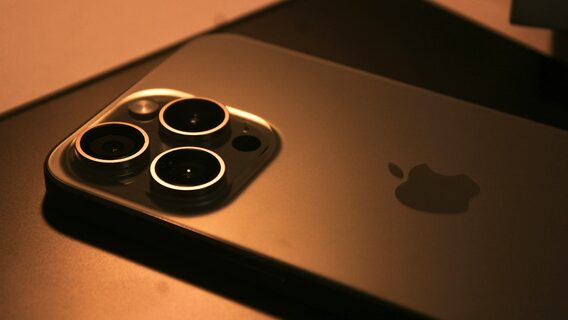
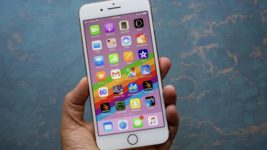
Apple has already launched a completely new iPhone Air along with the iPhone 17 Pro line. The company is preparing two more new products. The first foldable iPhone is due to be released in the fall of 2026. And in 2027 — a new flagship with curved glass and a camera under the display.
Apple abandons traditional autumn presentations
After more than a decade, Apple is stopping relying on one big fall release.
Among the reasons: the burden on engineering and marketing teams; supplier overload; the difficulty of promoting several models at once; the failure of the Apple Intelligence launch in 2024, which showed the risks of a «one-time» release.
Starting in 2026, Apple plans to introducein the fall, premium models: iPhone 18 Pro, 18 Pro Max and a foldable iPhone. And in the spring, it will release the more affordable iPhone 18, 18e and an updated iPhone Air. Thus, the company will release 5–6 iPhone models each year, evenly distributing revenue.
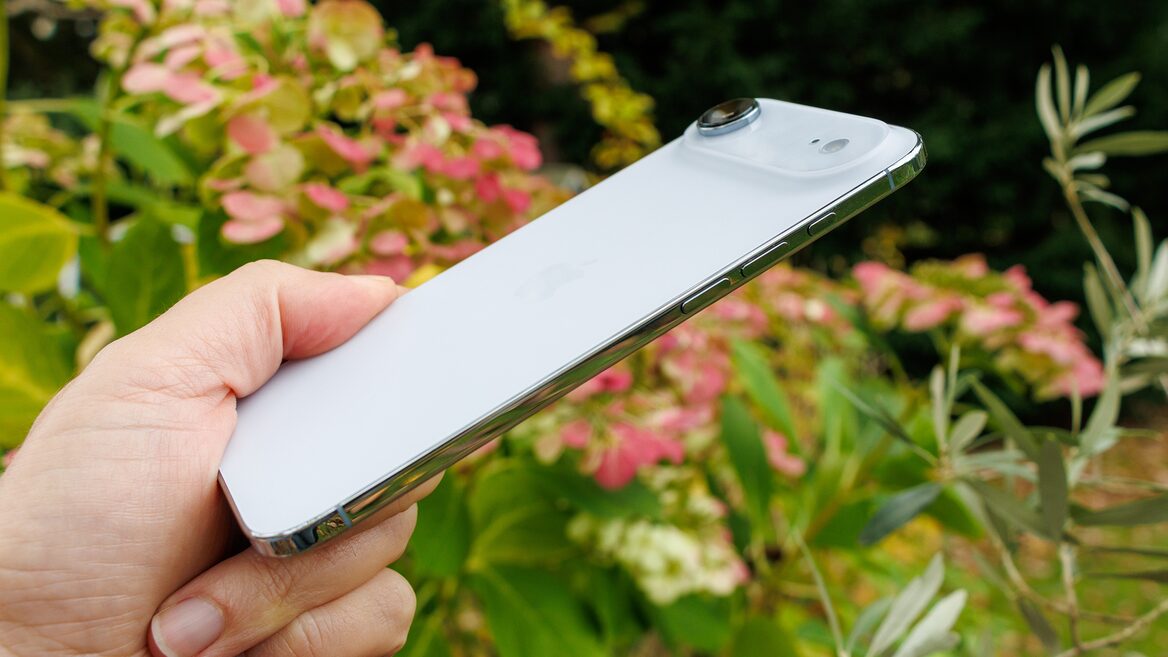
iPhone Air — a bridge to the foldable iPhone
Gurman writes that the iPhone Air is not a mass product, but a «technological experiment» that prepares Apple’s supply chain for a foldable model.
A 2nm chip is planned as a major upgrade for the next Air, but there will be no noticeable design changes. Also, the analyst notes, a dual camera is possible, but unlikely.
Mac Pro is effectively discontinued
Apple, according to Bloomberg, is canceling the M4 Ultra, and with it a new version of the Mac Pro, and is betting on the Mac Studio line, which replaces the Mac Pro in the professional segment. The Mac Pro is no longer considered a strategic product, the publication’s analyst adds.
Tesla finally adds Apple CarPlay support
After years of resistance from Elon Musk, Tesla is preparing to fully integrate CarPlay. The reasons for the change in position are Tesla’s falling sales amid competition; Musk’s dependence on the App Store for X and Grok; and the need to increase the value of the car before the upcoming vote on a $1 trillion compensation package.
Big personnel changes at Apple
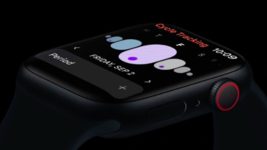
Jeff Williams, Apple’s chief operating officer since 2015 and one of the key people after Tim Cook, has resigned. His teams have been transferred to other managers. In particular, Health + Fitness is headed by Eddie Cue; watchOS is headed by Craig Federighi; Apple Watch hardware is headed by John Turnus; and the design teams are headed directly by Tim Cook.
Williams' exit is the biggest personnel change since Jony Ive’s departure in 2019.
Moreover, according to the Financial Times, Apple may announce the departure of CEO Tim Cook as early as next year. The company’s management and board of directors have begun active preparations for the transfer of power.
Cook, 65, has led Apple for more than 14 years, succeeding Steve Jobs in 2011. During that time, the company has grown to a market capitalization of more than $4 trillion. Under his leadership, new products have been introduced, including the Apple Watch, AirPods and Vision Pro, and the launch of Apple Arcade and Apple TV+.
The leading candidate for the new CEO is John Ternus, the company’s head of engineering. He has been with Apple since 2001, starting on the product design team and later leading the hardware division. Ternus played a key role in the company’s transition to Apple’s own silicon processors.