Хочете будувати кар’єру в Data Science та AI? Vodafone Big Data Lab відкриває новий набір —>
Nataliia KhandusenkoGadgets
3 November 2026, 10:51
2026-11-03
Apple faces shortage of flexible iPhone Duo due to pent-up demand and parts issues
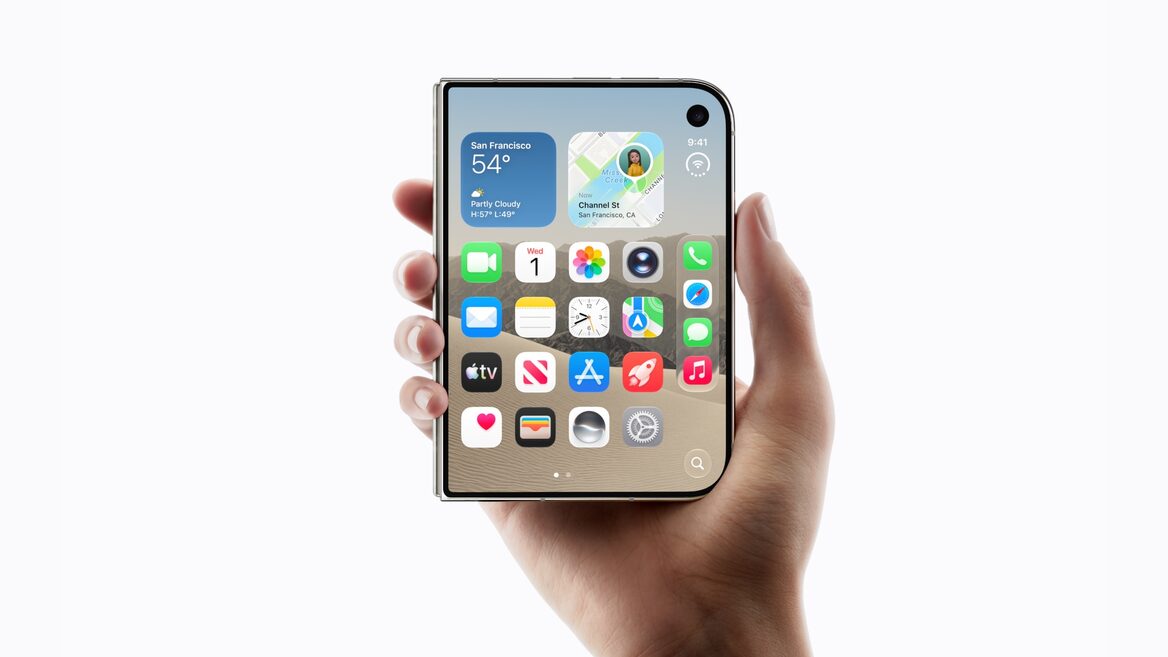
Apple's new CEO John Turnus said the company is doing everything it can to meet the hyped demand for its new $2,000 flexible iPhone Duo smartphone, which sold out in the first few days after its release.
Apple's new CEO John Turnus said the company is doing everything it can to meet the hyped demand for its new $2,000 flexible iPhone Duo smartphone, which sold out in the first few days after its release.
Ternus expressed his admiration for the market's response to the new product. However, the company's new COO, Sabhi Khan, admitted during a call with investors that Apple cannot yet predict the timing of sales recovery:
“It is currently very difficult to predict when supply and demand will reach balance,” noted Sabhi Khan.
Despite the financial success of the new product, the launch was not without problems. Some of the first buyers encountered cracks on the internal screen at the bend. The company has already stated that it will replace all devices with this defect free of charge, although during the announcement of financial results, Apple management bypassed this topic, writes the BBC.
Record financial performance and chip shortage
Overall, the past year has been a record-breaking year for Apple in terms of iPhone sales. In the quarter ending September 26 (before the iPhone Duo went on sale), iPhone revenue grew 17% to $57 billion. Mac sales also saw a record 27% growth ($10.7 billion), bringing the tech giant's annual revenue to $479 billion (+15%). At the same time, the iPad and wearables (Apple Watch, AirPods) segments fell 10% and 7%, respectively.
The main limiting factor for the company remains the global shortage of advanced microprocessors produced by Taiwan's TSMC, as well as the rapid rise in the price of memory chips.
The rapid deployment of AI technologies by other market giants has created a huge demand for data centers, leading to shortages and a significant increase in storage prices. Due to these factors, Apple has already been forced to increase the prices of most of its hardware products by about 20%. As noted by Sabhi Khan, the shortage of components will continue next year, most significantly affecting the production of iPads and Macs.