Хочете будувати кар’єру в Data Science та AI? Vodafone Big Data Lab відкриває новий набір —>
Олег ОнопрієнкоGadgets
10 September 2026, 09:00
2026-09-10
Artificial intelligence for money and the end of basic iPhones: the main results of Apple's autumn presentation
This year's fall Apple presentation left mixed impressions. On the one hand, the Cupertino company finally fully entered the artificial intelligence race, and on the other, it made it clear that the era of free innovation is coming to an end. Abandoning classic lines, deep integration of AI into the operating system, and transforming watches into medical devices - we analyze the main highlights of the event.
This year's fall Apple presentation left mixed impressions. On the one hand, the Cupertino company finally fully entered the artificial intelligence race, and on the other, it made it clear that the era of free innovation is coming to an end. Abandoning classic lines, deep integration of AI into the operating system, and transforming watches into medical devices - we analyze the main highlights of the event.
Apple Intelligence: Smart but Limited
The main star of the presentation (at least in its first half) was not so much the “hard” as the “soft”. Apple Intelligence, around which there were so many rumors, is finally taking on real shapes. The company is betting on a hybrid model: basic tasks will be performed directly on the device thanks to advanced neural engines (on-device models), and more complex requests will be processed in the protected space of Private Cloud Compute.
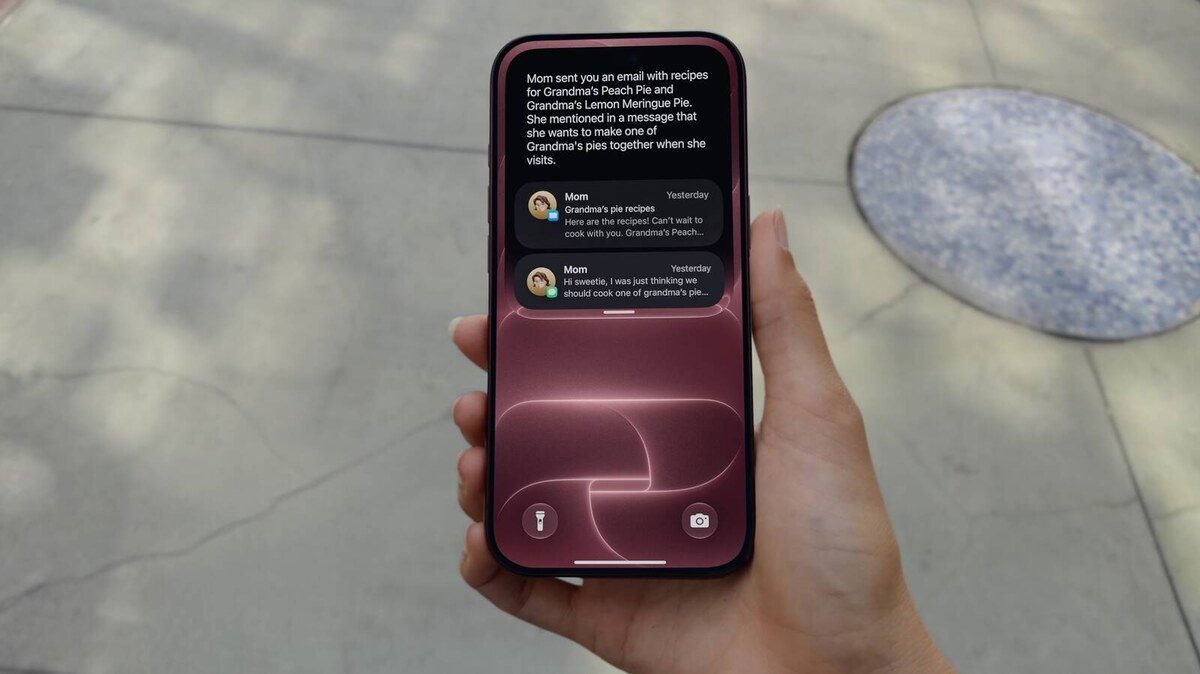
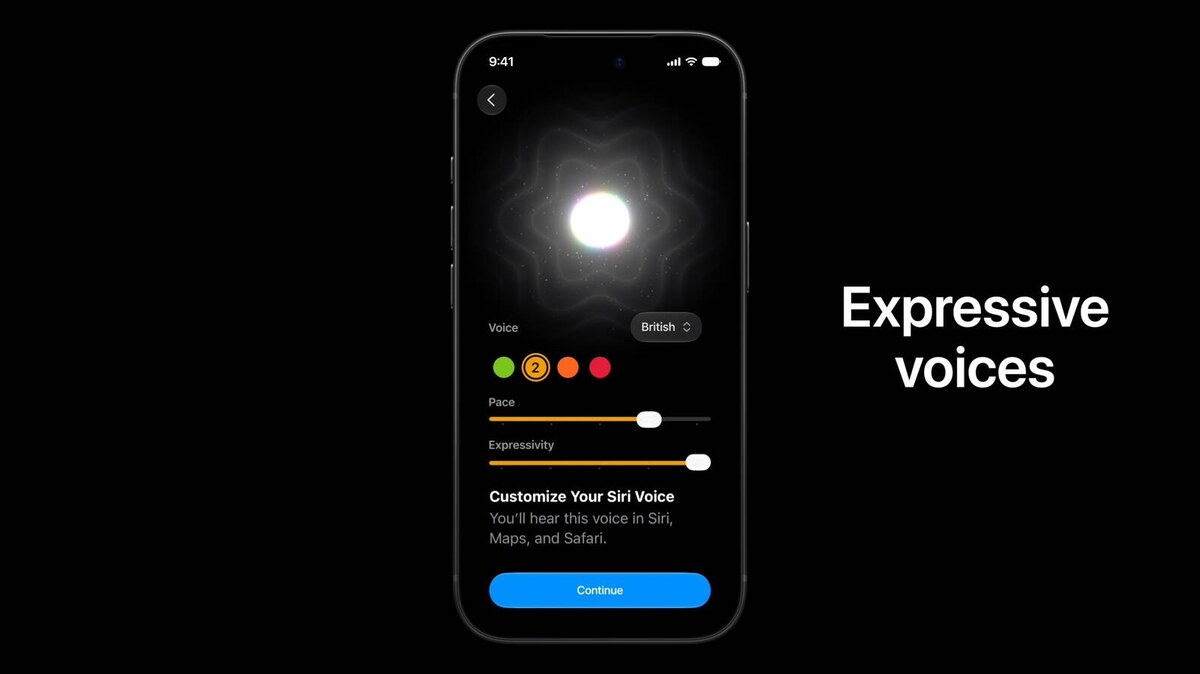
Siri has undergone the biggest transformation. The voice assistant, which for years was the subject of jokes because of its limitations, is now able to understand the user's personal context. "Siri finds your personal context in different applications, such as Mail and Messages," the presentation said. The assistant has received deeper integration with the system: for example, you can ask Siri to recognize an object directly from the camera or add multiple events to the calendar with a single request.
But the most interesting thing was hidden in the fine print. Apple quietly announced a new era of monetization of its services. According to the documentation, the use of Apple Intelligence features that rely on cloud computing (including Siri AI, photo editing tools, and Image Playground) will have daily limits. These limits will depend on the complexity of the requests and the load on the company's servers. To remove the limits, users will have to pay. The company has not yet announced detailed pricing, but it has hinted that extended access will be included in the more expensive iCloud+ tariff plans. In fact, Apple is starting to sell intelligence on a subscription basis.
The rollout of new AI features will begin on September 14th with the release of iOS 27.
The end of the era of basic iPhones?
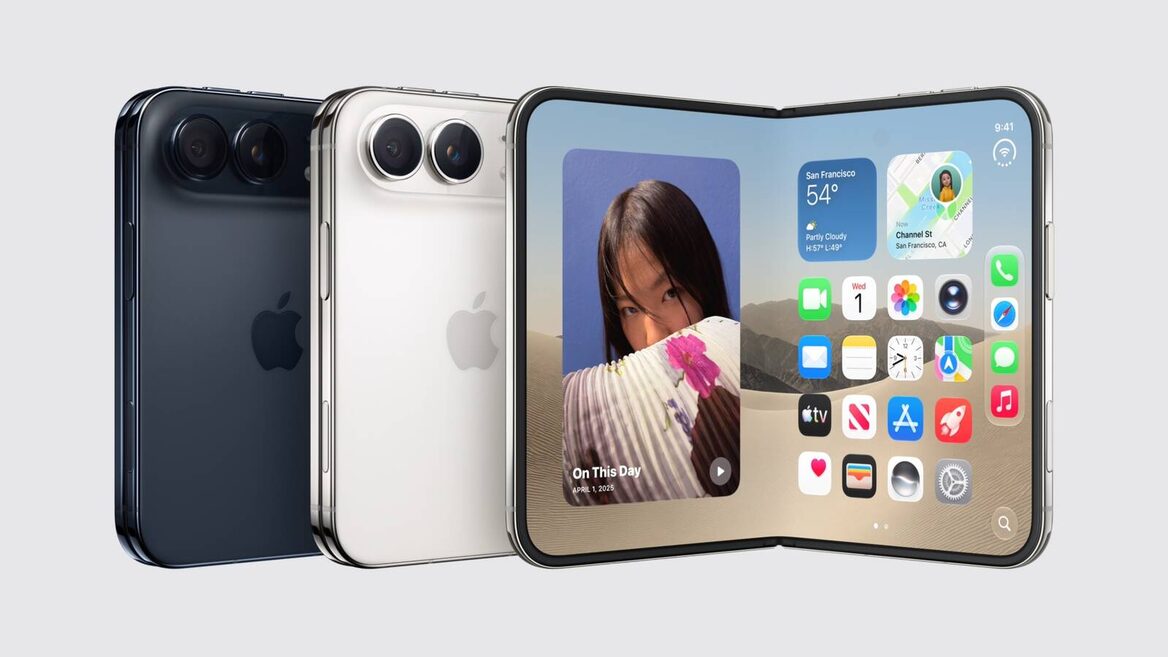
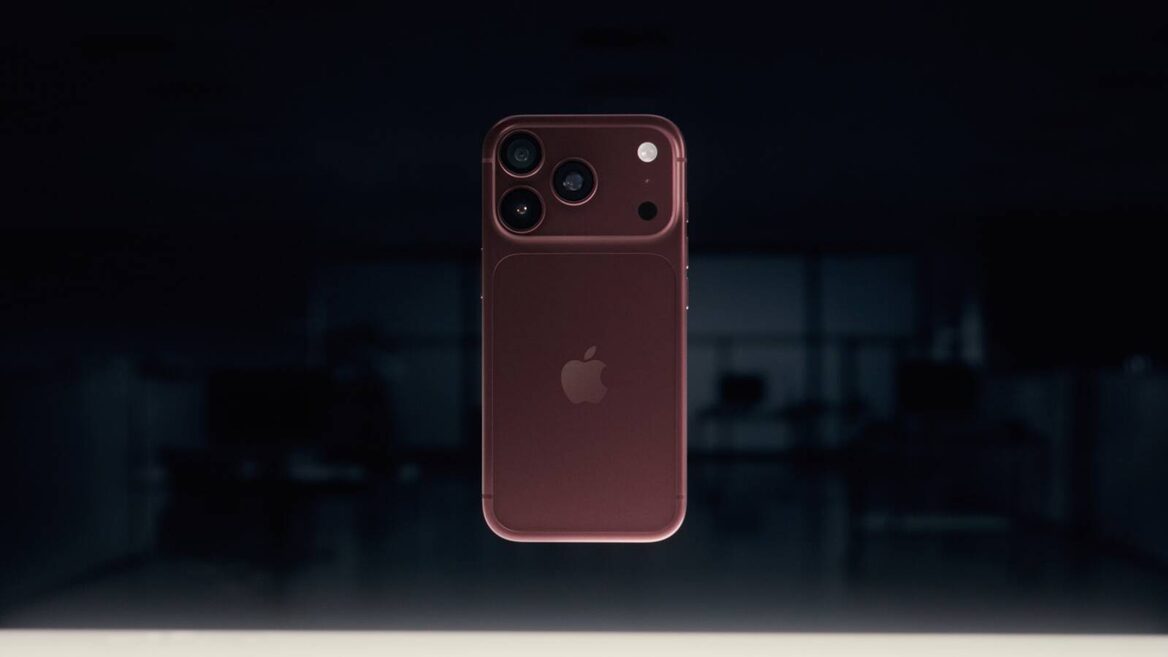
An important conceptual shift worth mentioning is the change in the smartphone lineup. This year, Apple officially abandoned the release of the basic version of the iPhone 18. The company clearly segmented the market, leaving only the flagship iPhone 18 Pro and iPhone 18 Pro Max in the classic form factor. You can read more about the characteristics of the new “pros”, their titanium cases, cameras with a variable aperture and record autonomy in our separate material.
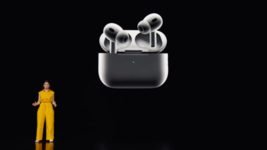
The update to the headphone line turned out to be as pragmatic as possible. The new AirPods 5 do not offer a radical change in design, but they have received the necessary improvements to remain market leaders.
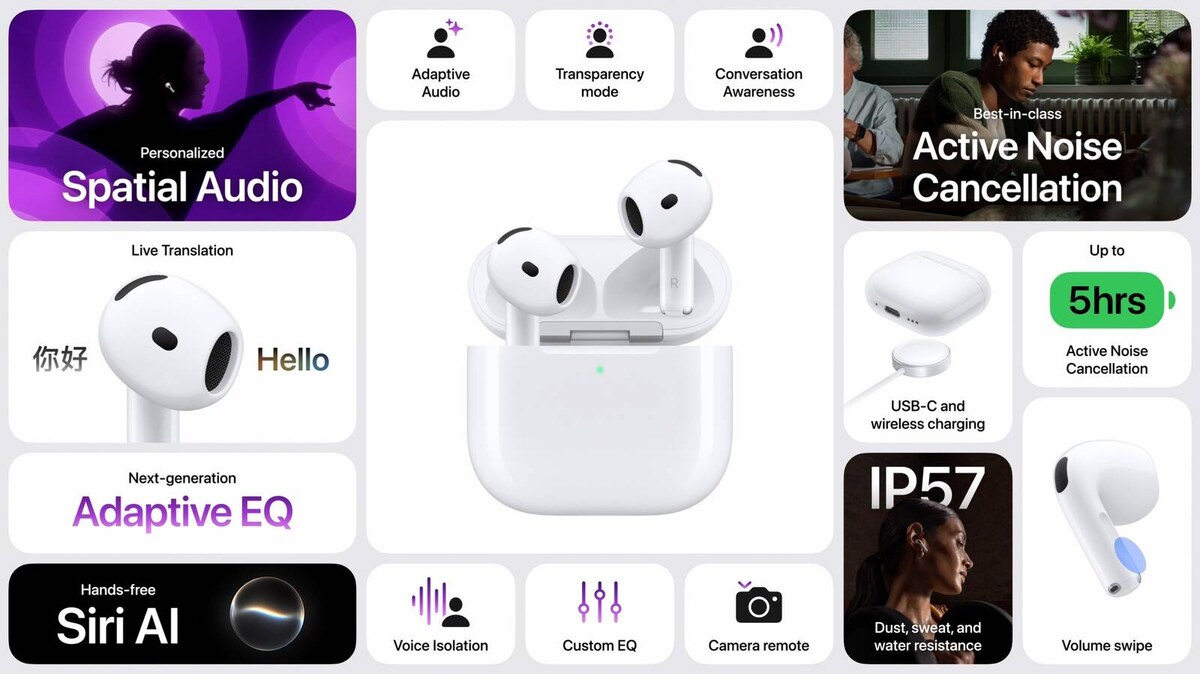
The main feature of the base model ($129) is its integration with the Apple Intelligence ecosystem. The headphones support Siri voice call without pressing and the Live Translation function. Engineers have redesigned the design for increased durability and improved sound by taking into account a wider range of anatomical features of the ear.
More interesting is the older version for $149. It retained the open form factor, but received an active noise cancellation system (ANC), which became 50% more effective than the previous generation. Also, the more expensive model added touch volume control on the leg and support for wireless charging from the Apple Watch puck. Autonomy with ANC turned on is up to 5 hours, which is not bad, although not a record figure on the market. The headphones will go on sale on September 18.
Apple Watch Series 12 and Ultra 4: a medical hub on your wrist
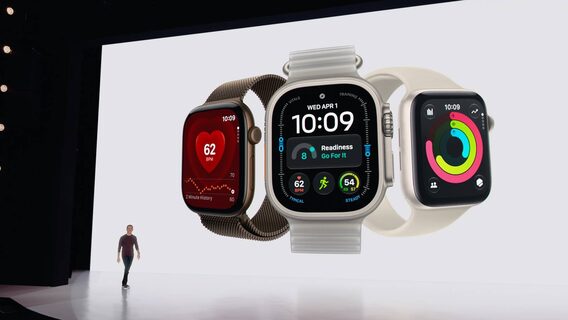
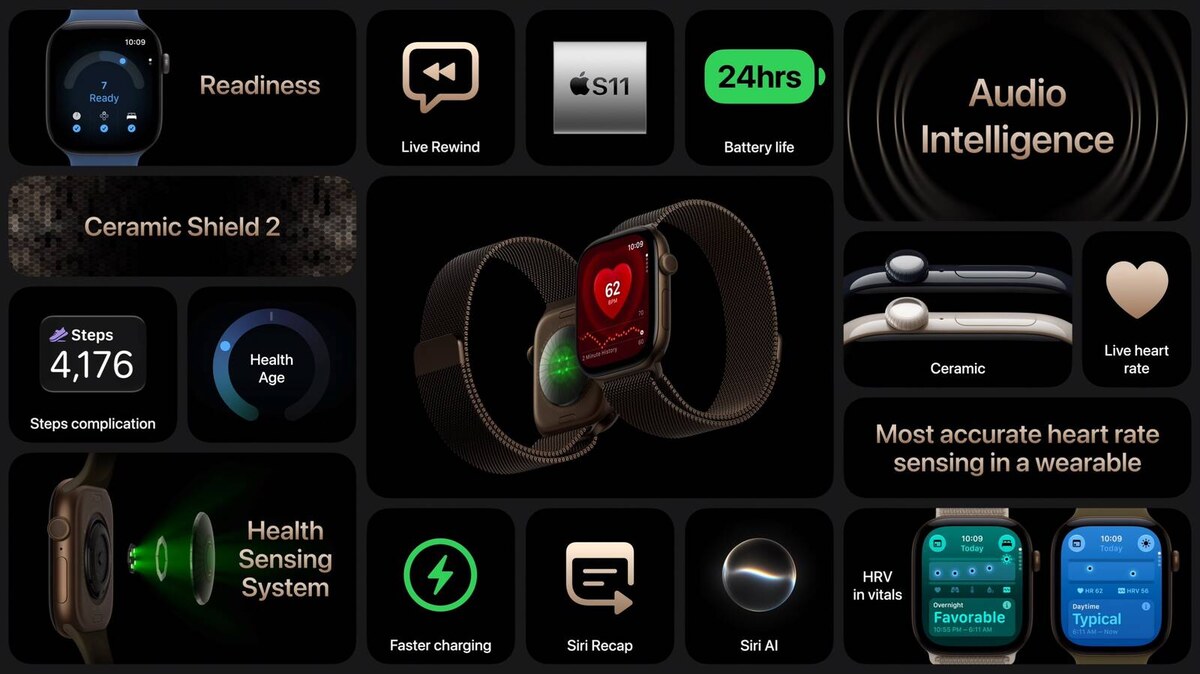
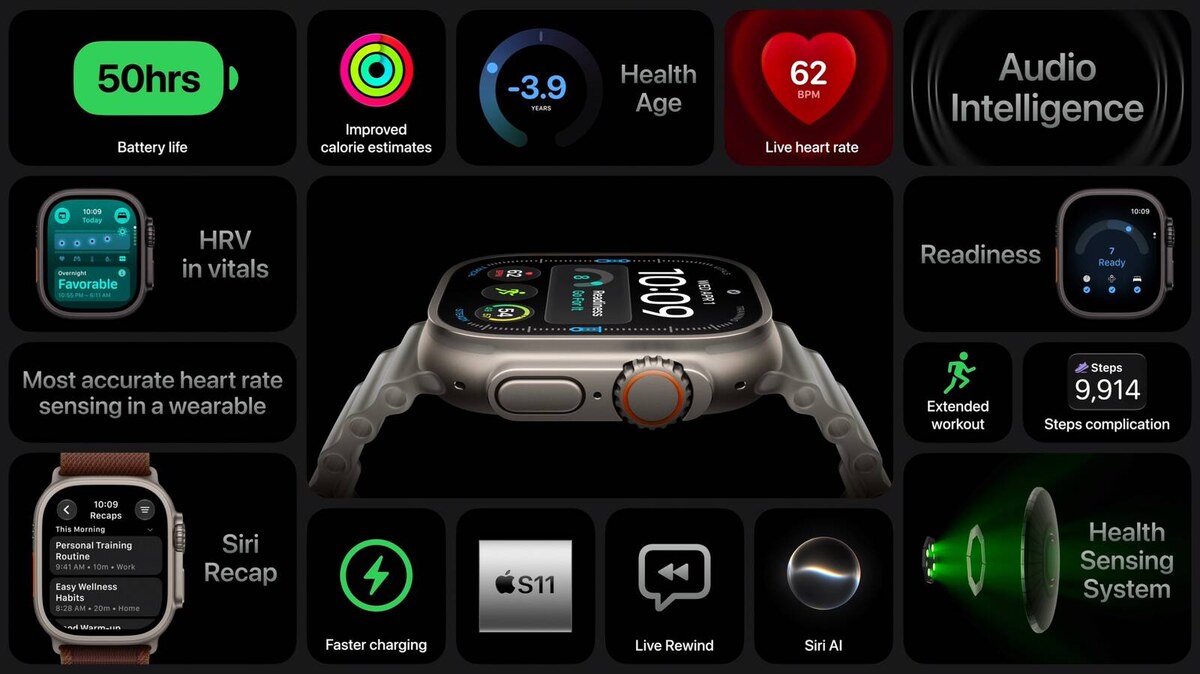
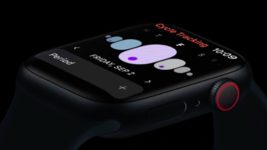
Apple devoted most of its time at the presentation of the new watches not to the design (which has hardly changed), but to health. The Series 12 and Ultra 4 do not impress with external innovations, but they received a significant upgrade of internal sensors, finally securing their status as personal health trackers.
The focus is on a completely new health monitoring system. The frequency of heart rate readings has increased enormously: data is recorded every 5 seconds (60 times more often than before), and heart rate variability is measured every 5 minutes. To ensure this accuracy without sacrificing autonomy, Apple has developed a new sensor architecture with a larger contact area and energy-efficient green LEDs.
All these terabytes of medical data are analyzed by the updated Health application with integrated AI. The most interesting innovation is the “Readiness” function. Every morning the watch will give a single score that will tell you whether it is worth going for an intensive workout today or it is better to rest. In addition, the concept of Health Age has appeared, which compares the user’s actual age with his physiological indicators, using sleep data, VO2 Max and even the results of blood tests (however, they can be downloaded or ordered directly only through partner laboratories in the USA).
Another unexpected innovation for watches is Audio Intelligence. Thanks to the new S11 chip, the devices have received a sound recognition system (siren, doorbell, baby crying), which is critically important for people with hearing impairments. The Live Rewind function has also appeared - the ability to "rewind" the last 15 seconds of a conversation and read a transcription of what was said. The watch can work as a smart voice recorder, generating AI-based notes of meetings or conversations right on the wrist (data is not stored in audio format, only text).
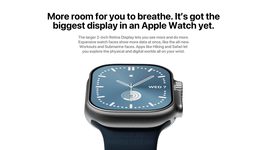
The Apple Watch Series 12 (starting at $399) features titanium and ceramic cases in premium versions, and a 60% stronger screen. The Ultra 4 (starting at $799) boasts 2 days of battery life and up to 45 hours of hardcore GPS workout mode.
Apple has once again proven its ability to sell an ecosystem. The abandonment of cheap iPhones, the introduction of a hidden subscription for AI, and the deep integration of health services show that the company is targeting an audience that is willing to pay for maximum comfort and control over their lives. Technologies are becoming more complex, but at the same time, they are increasingly paid.