Промо на dev.uaУвійти в ІТ
2 March 2026, 15:02
2026-03-02
Software Engineering at a new level: education, community, access to big names
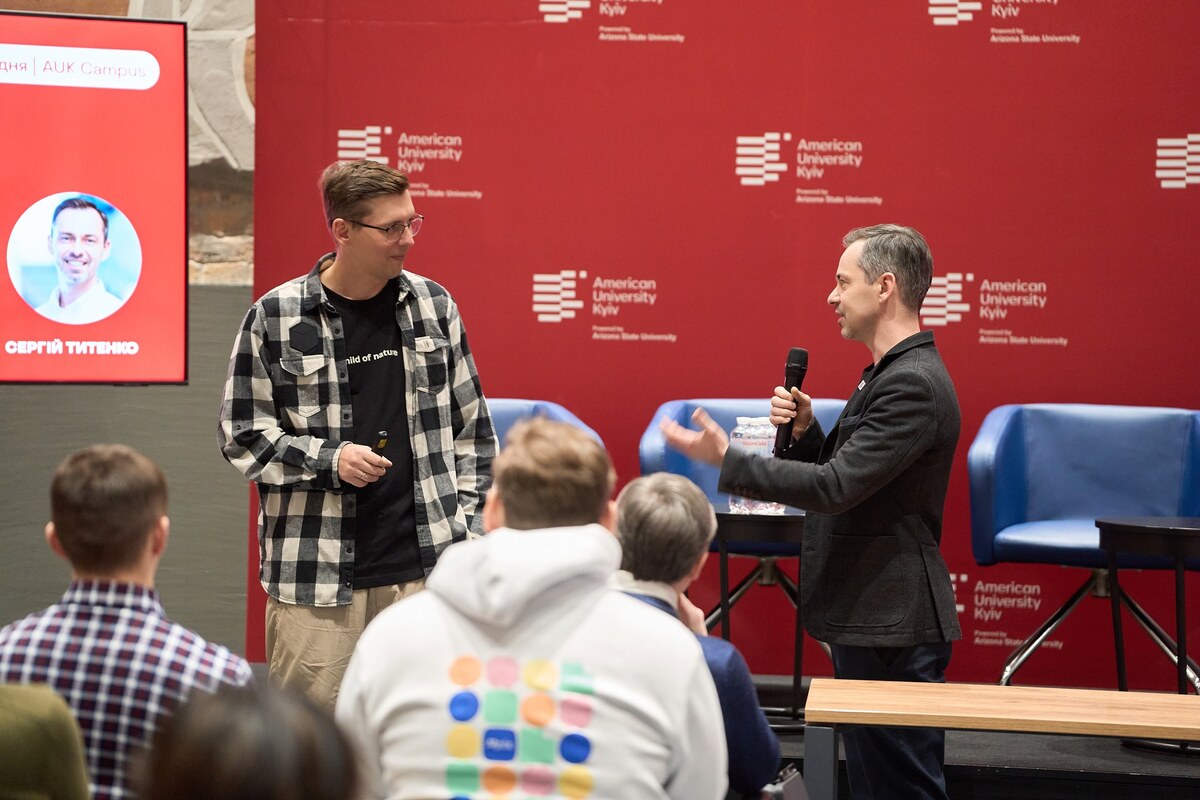
American academic standards, industry-based faculty, international scholars, and a vibrant IT community — this is what a master’s degree for engineers at American University Kyiv looks like today. Serhiy Tytenko, Deputy Dean of EPAM School of Digital Technologies and Associate Professor at American University Kyiv, talks about the philosophy of the Master of Software Engineering program and its real benefits.
American academic standards, industry-based faculty, international scholars, and a vibrant IT community — this is what a master’s degree for engineers at American University Kyiv looks like today. Serhiy Tytenko, Deputy Dean of EPAM School of Digital Technologies and Associate Professor at American University Kyiv, talks about the philosophy of the Master of Software Engineering program and its real benefits.
— Sergey, many developers successfully build careers without a master’s degree. At what point does education become important again?
A master’s degree for a working engineer is definitely not about «just another degree.» At a certain point in their career, most professionals hit a ceiling where technical skills within a particular stack are no longer enough. More complex challenges emerge: architecture, system design, working with uncertainty, responsibility for engineering decisions, and effective interaction with high-level stakeholders.
A master’s degree helps you move to a different level of thinking — seeing beyond just the code, but the product, system, and business context. It’s more of an investment in a long career than a short-term skill upgrade.
— Speaking specifically about your program, why Master of Software Engineering at AUK?
There are several reasons. One of the key ones is the opportunity to obtain a double degree from American University Kyiv and Arizona State University (ASU), one of the most innovative universities in the USA.
But, frankly, for strong engineers, something else is often even more important — the environment. People go to graduate school not only for knowledge. They are looking for a community, an intellectual ecosystem, a circle of professional growth.
At AUK, we are purposefully building just such an environment. Here, networking is realized through daily interaction with students, faculty, and industry practitioners.
— How does the program conceptually differ from typical master’s degrees?
The program is built as high-level in the true sense of the word. It is not about the basics, but about engineering breadth: architecture, design of complex systems, technical trade-offs, thinking at the solution level.
We are not creating a formal set of disciplines. We are creating a vibrant professional environment where strong students, industry, and American academic culture come together.
— You mentioned the environment. What does it look like in practice? To what extent do students actually have access to world-class experts?
This is one of the university’s greatest strengths. AUK constantly hosts events that create a unique intellectual context.
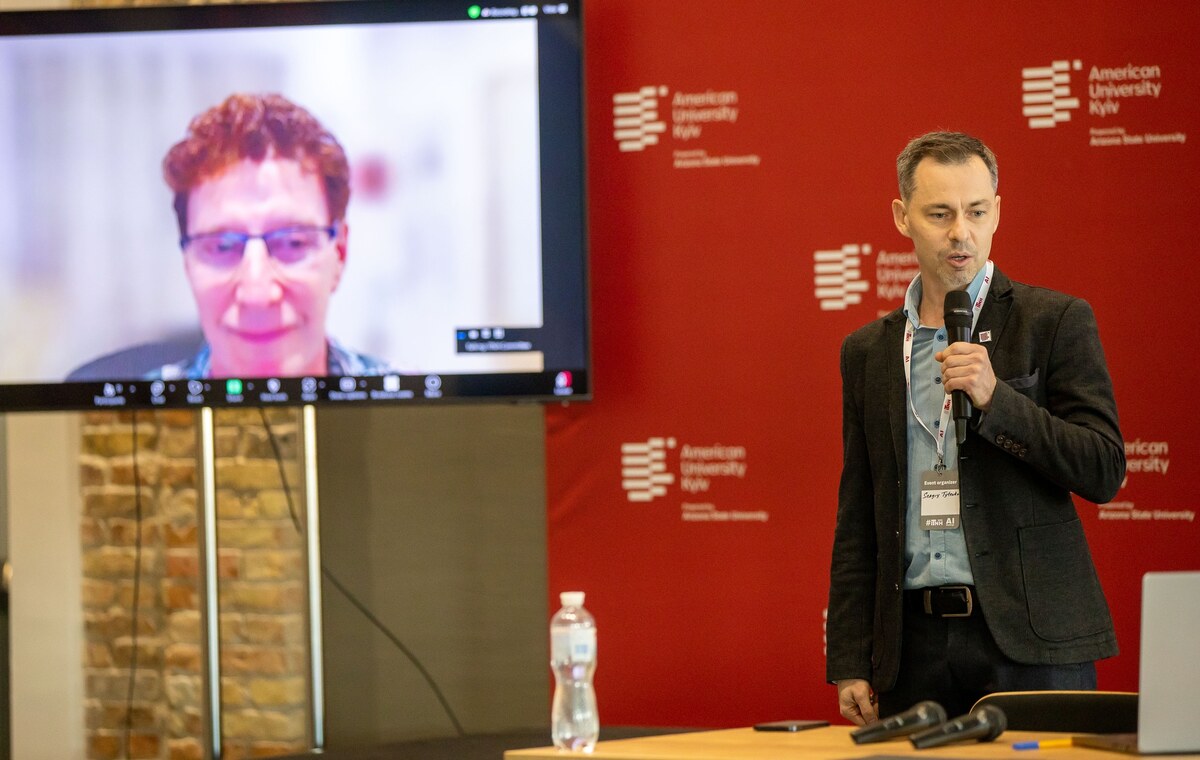
For example, as part of AUK Talk, Stanford University professor John Ousterhout, author of the fundamental book The Philosophy of Software Design, gave a lecture. He spoke about complexity management, high-quality system design, and typical mistakes in architecture.
This is a level of conversation that is rarely seen in a traditional educational environment.
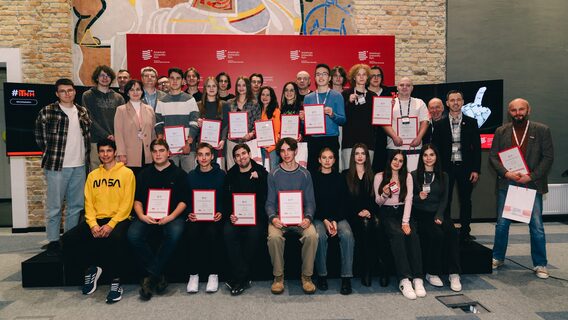
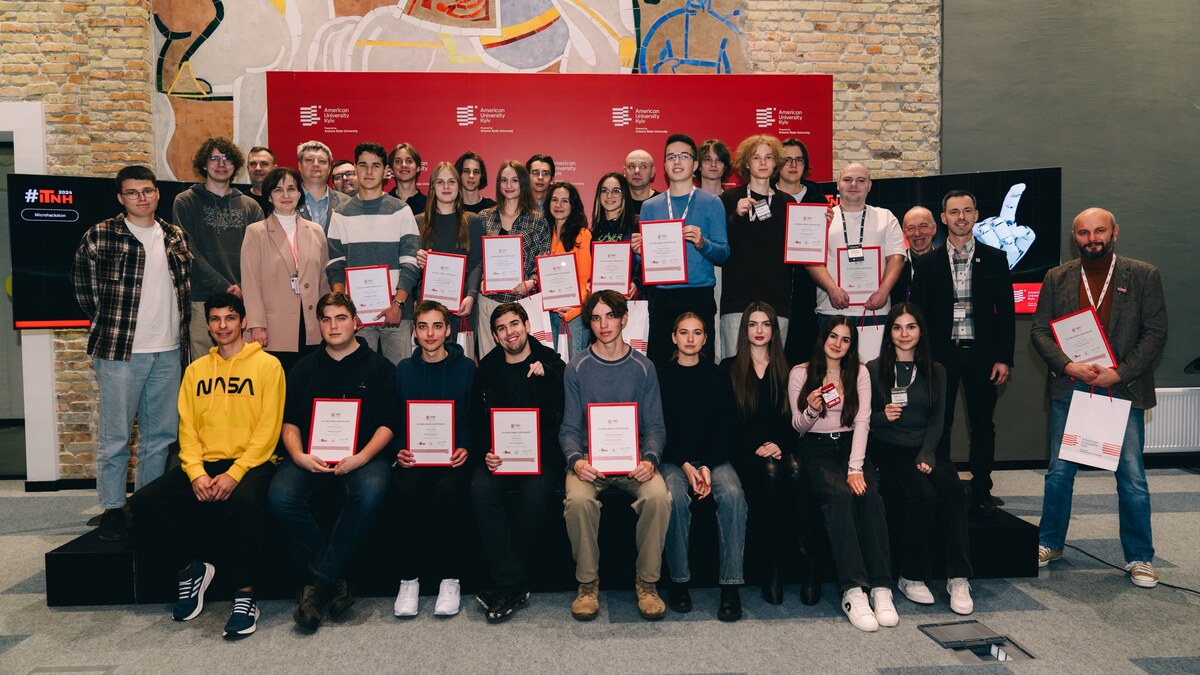
Equally significant was the international conference ITNH 2024, where students were able to directly interact with world-class researchers, including Rick Kazman and Len Bass. Not just listen, but ask questions and discuss.
— Are there formats that are closer to practice and real engineering tasks?
For example, AUK AI Café is a more intimate and applied format.
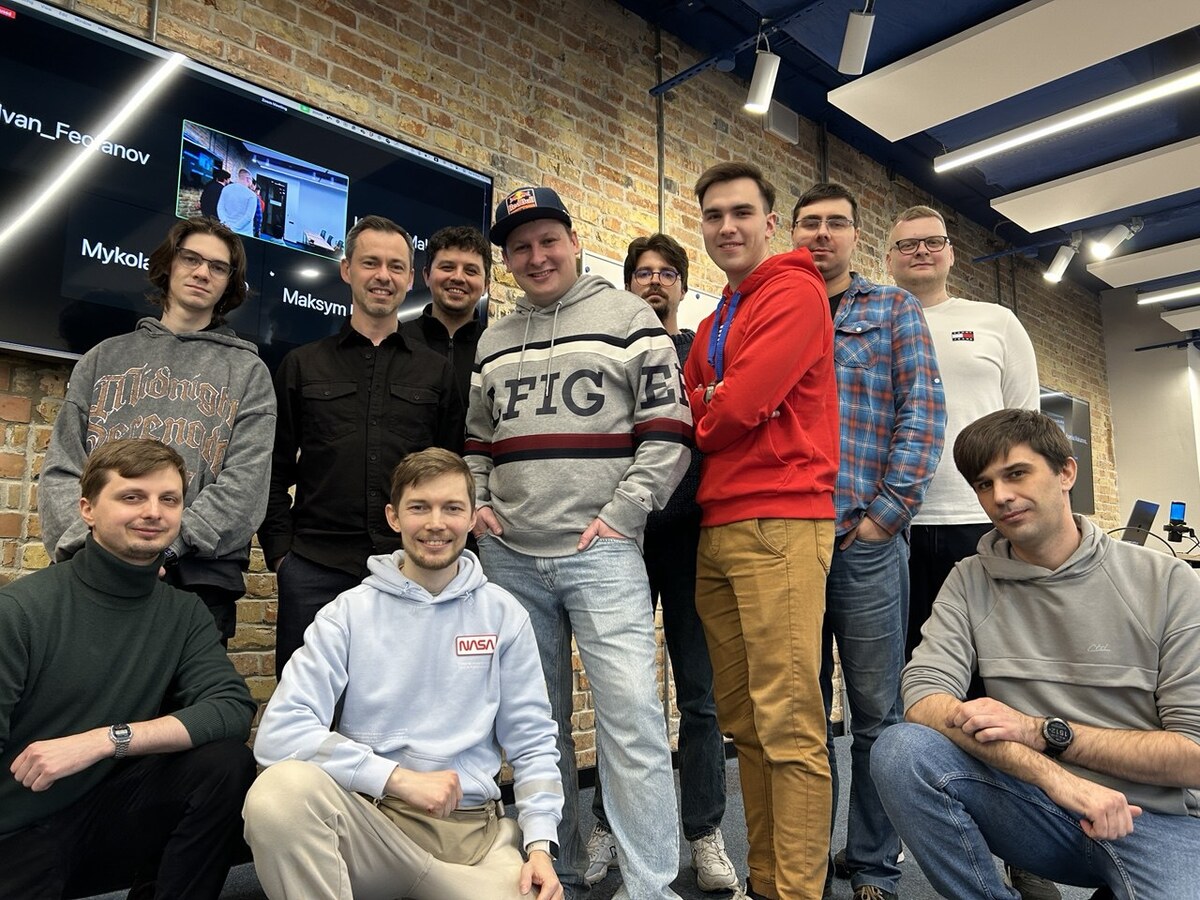
When Dmytro Ovcharenko, AI CTO of the Ministry of Digital Transformation of Ukraine and a representative of the team that created «Diya», discusses real-world AI architecture, RAG systems, infrastructure, and data security with IT professionals, it is a fundamentally different experience. This is not theory, but a living engineering kitchen of large products and government systems.
By the way, the idea of the format conceptually resonates with the tradition of the famous Scottish Coffee House in Lviv — a place where strong intellectual discussions were born.
— Who teaches in the Master of Software Engineering program?
We have a very strong industrial team. Among the teachers and guest lecturers are experts from Google, EPAM, and other global companies.
In particular, Viktor Tursky, ex-Senior Software Engineer at Google, shares the practice of designing architectures and making engineering decisions, as well as the application of AI in modern development.
Among the practicing teachers are Dmytro Ovcharenko, Oleksandr Yosypenko, Izzet Mustafayev, Tetyana Svyrydova, and Maryna Didkovska — specialists who work with real products and complex systems every day.
— In short: what is the main idea and value of the program?
In a combination of things that are rarely found together: American academic standards, a dual degree from AUK + ASU, a strong industrial component, and a vibrant professional community.
Masters students gain more than just knowledge. They gain an environment, a mindset, and new opportunities. And that’s what’s most valuable in a long career.