Хочете будувати кар’єру в Data Science та AI? Vodafone Big Data Lab відкриває новий набір —>
Олександр КузьменкоWar
7 July 2026, 13:02
2026-07-07
American Forterra has deployed over 100 autonomous Lancer vehicles equipped with Starlink in Ukraine
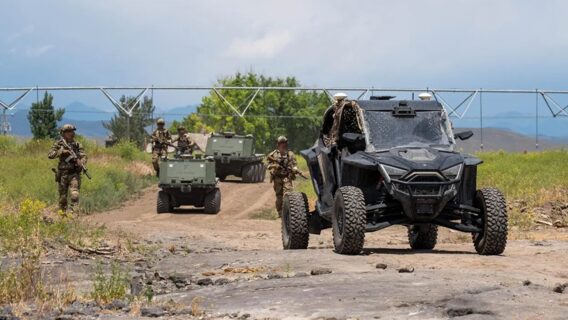
American company Forterra has deployed more than 100 of its autonomous Lancer ATVs to combat zones in Ukraine over the past nine months. The defense startup notes that this is the largest case of real combat use of unmanned ground vehicles (UGVs) among all US defense companies.
American company Forterra has deployed more than 100 of its autonomous Lancer ATVs to combat zones in Ukraine over the past nine months. The defense startup notes that this is the largest case of real combat use of unmanned ground vehicles (UGVs) among all US defense companies.
As TechCrunch reports, this initiative is funded by the US defense budget. It is part of a larger Pentagon program to test the latest technologies in real combat conditions with Russian units.
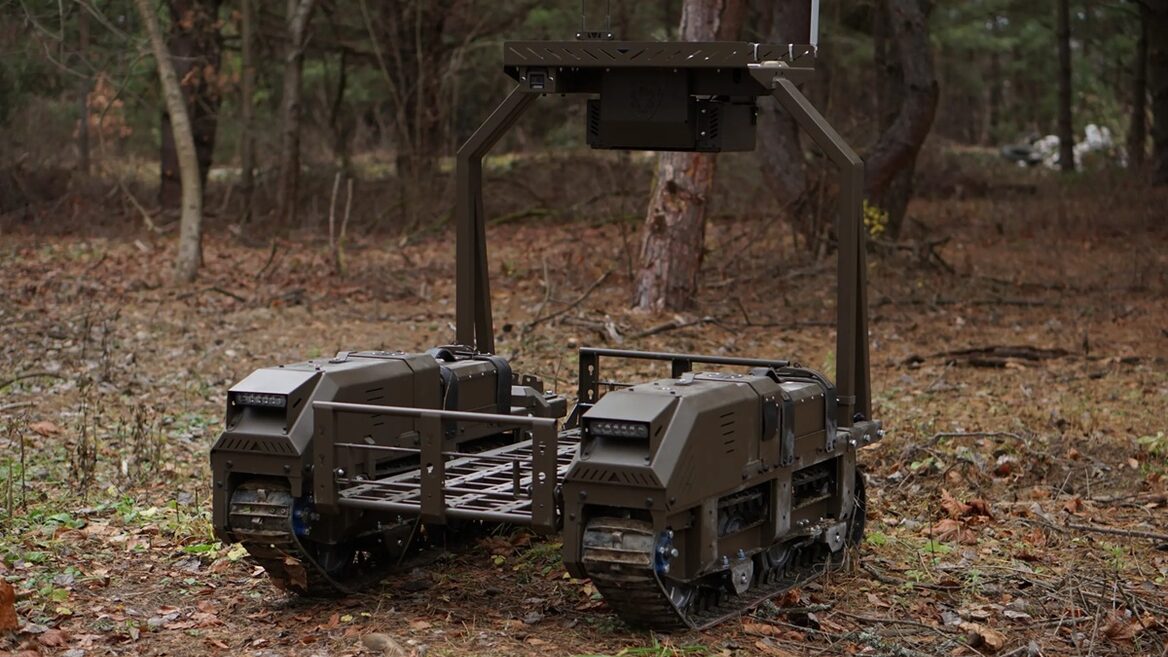
The Lancer ground drones are based on commercial Polaris ATVs. The company has equipped them with its own set of sensors, actuators, and computing modules. Unlike most Ukrainian UGV developments, which operate on batteries and have limited payload capacity (usually up to 250 kg), the Lancer is equipped with gasoline engines and is capable of transporting up to 750 kg of cargo.
«The bottom line is that this unmanned ground vehicle for logistics and support of our defense is the most important in Ukraine. It’s fucking fantastic, and we really want to get more of them,» said a Ukrainian serviceman who worked directly with these vehicles.
Since arriving in Ukraine in October 2025, these ATVs have traveled over 4,000 km, completed over 1,100 missions, delivered nearly 353 tons of cargo, and evacuated 52 wounded soldiers. However, there were losses: some vehicles were destroyed or got stuck in deep swamps, where they became easy targets for enemy artillery.
Forterra adapted the platforms to integrate into Ukrainian realities — in particular, they installed Starlink satellite internet antennas. This experience helped the startup’s engineers collect important data on the operation of the systems in electronic warfare conditions and test remote software updates.
«I think that goes for any military technology: until you see it in real combat, you just don’t know how it works,» said Scott Sanders, Forterra’s director of development and a former U.S. Marine Corps officer.
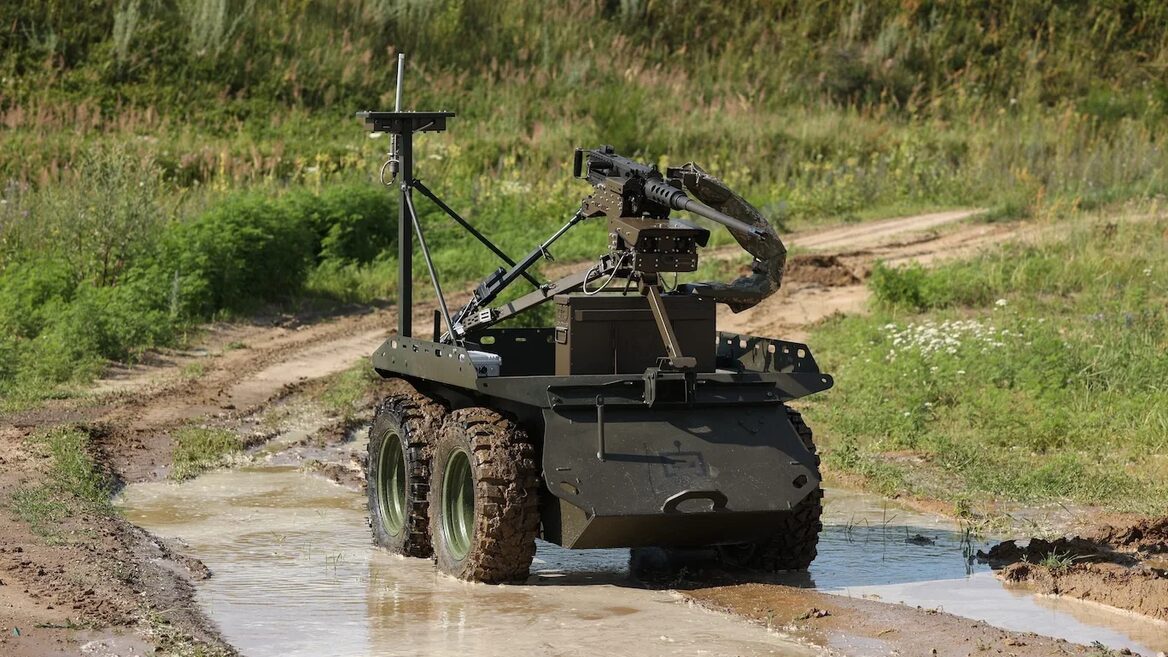
Currently, the Ukrainian military mainly uses the Lancer in remote control mode, as the algorithms for full autonomy are not yet ready for the chaotic conditions of real combat — for example, for recognizing mines or the unexpected appearance of enemy forces. To solve this problem, Forterra is working on combining classical robotics with generative artificial intelligence.
The company, which has raised more than $500 million in venture funding from XYZ Venture Capital and Moore Strategic Partners, is now focusing on making its systems cheaper. The military says the high cost prevents the Lancer from being used as widely and risky as conventional drones.
Earlier, Defense Minister Mykhailo Fedorov reported that since the beginning of 2026, the Ukrainian military has carried out more than 50,000 logistics and evacuation missions using ground robotic complexes.