Ballistic Physics and the S-400. Why Explosions Come Before Sirens
On the night of July 8, Kyiv was subjected to another attack - a series of five explosions were heard before the city declared an air raid alert. We explain why this happens.


On the night of July 8, Kyiv was subjected to another attack - a series of five explosions were heard before the city declared an air raid alert. We explain why this happens.
On the night of July 8, Kyiv was subjected to another attack - a series of five explosions were heard before the city declared an air raid alert. We explain why this happens.
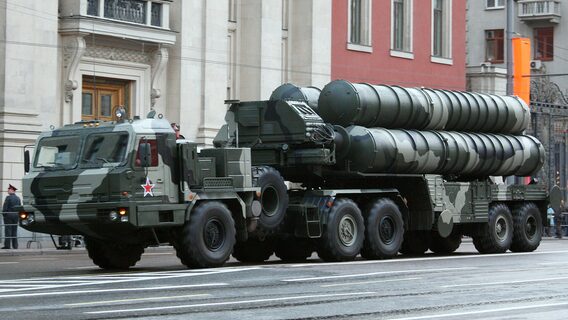
According to preliminary data from monitoring groups, during the last attack, the enemy could have used S-400 anti-aircraft systems switched to strike mode against ground targets. The main problem with using such systems is the difficulty of tracking them.
As the spokesman for the Air Force, Yuri Ignat, said , since the S-400 is a regular air defense system, the appearance of its missile on radars may primarily be perceived as an attempt to shoot down Ukrainian drones over the territory of the Russian Federation, and not as a targeted strike on ground targets in Ukraine. The batteries perform a dual function, which actually masks the preparation for the attack.
The situation when the sounds of explosions precede the siren is dictated by physics, weapon characteristics and data exchange logistics. The 48N6DM missile of the S-400 complex develops a speed of up to 2500 m/s. With a launch range of 230 km, the flight time to the target is only 2.5–4 minutes. Ballistic targets move so fast that early warning systems simply do not have time to process the data in a timely manner.
In addition, the Ukrainian military mostly receives information about ballistics outputs from Western allies. While the launch data is recorded by the partners' systems, transmitted to Ukraine and triggered a centralized alert, the missile physically outpaces this digital signal.
Let us remind you that dev.ua published an article about the Freyja pan-European ballistic shield project , which could start knocking down Russian ballistics this winter.