Олександр КузьменкоWeapon
19 June 2026, 12:59
2026-06-19
Ukraine's experience and panic in the West. Drone attacks have triggered a boom in the global counter-drone market
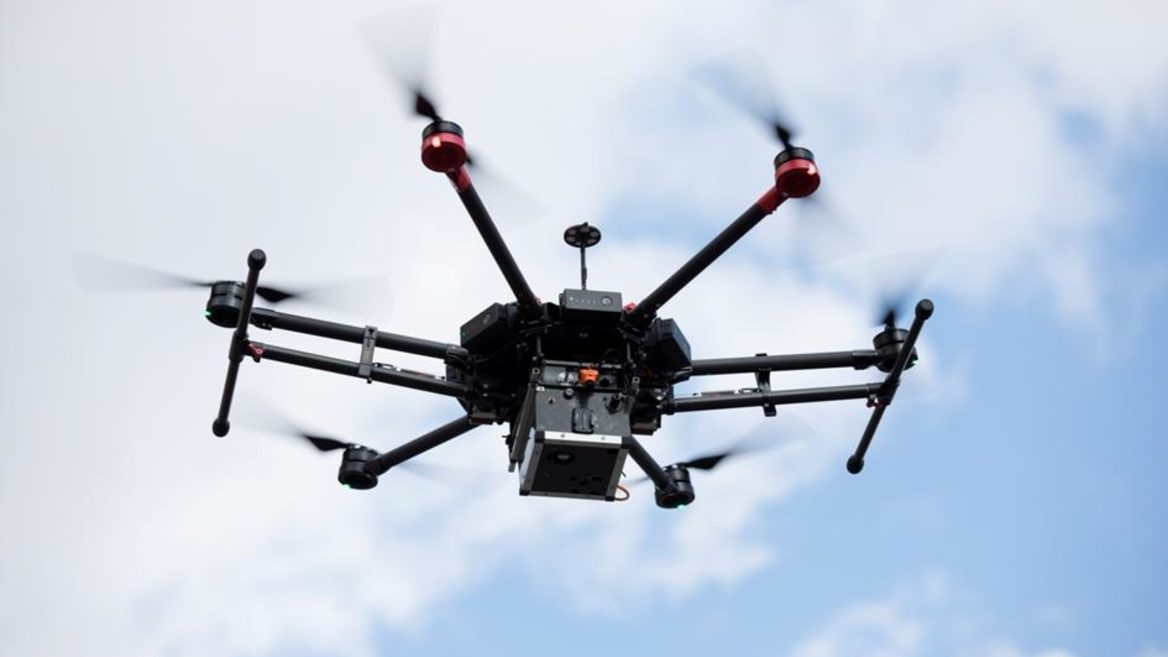
The experience of the war in Ukraine, where drones have become a defining factor on the battlefield, along with the increasing number of incidents at European airports and attacks on oil facilities in the Middle East, are stimulating an unprecedented boom in the global market for radar systems and electronic warfare (EW) equipment. Now, defense companies are increasingly turning to civilian airports, energy giants, data center operators, and hotels as their clients.
The experience of the war in Ukraine, where drones have become a defining factor on the battlefield, along with the increasing number of incidents at European airports and attacks on oil facilities in the Middle East, are stimulating an unprecedented boom in the global market for radar systems and electronic warfare (EW) equipment. Now, defense companies are increasingly turning to civilian airports, energy giants, data center operators, and hotels as their clients.
Technologies to protect infrastructure from aerial threats are attracting billions of dollars in investment, going far beyond the purely military sector, Reuters reports, citing representatives of leading developers of anti-drone systems.
The threat from commercial and military UAVs to civilian facilities is not new — London’s Gatwick Airport was forced to suspend operations due to the appearance of unidentified drones as early as 2020. However, a new wave of incidents, fueled by the experience of large-scale use of drones in the war in Ukraine and the escalation of conflicts in the Middle East, has forced the civilian sector to act more decisively. In the last year alone, suspicious UAVs have disrupted the operations of Munich and Copenhagen airports, attacked Dubai airport, as well as incidents in the Baltic countries and fires at oil terminals in Fujairah.
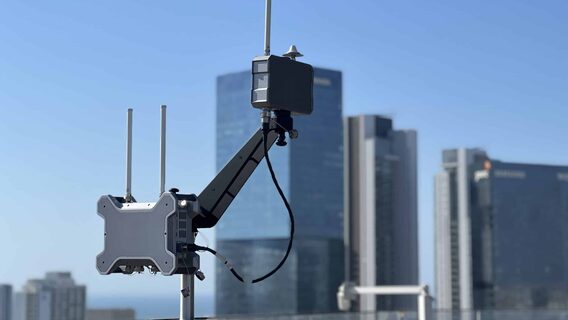
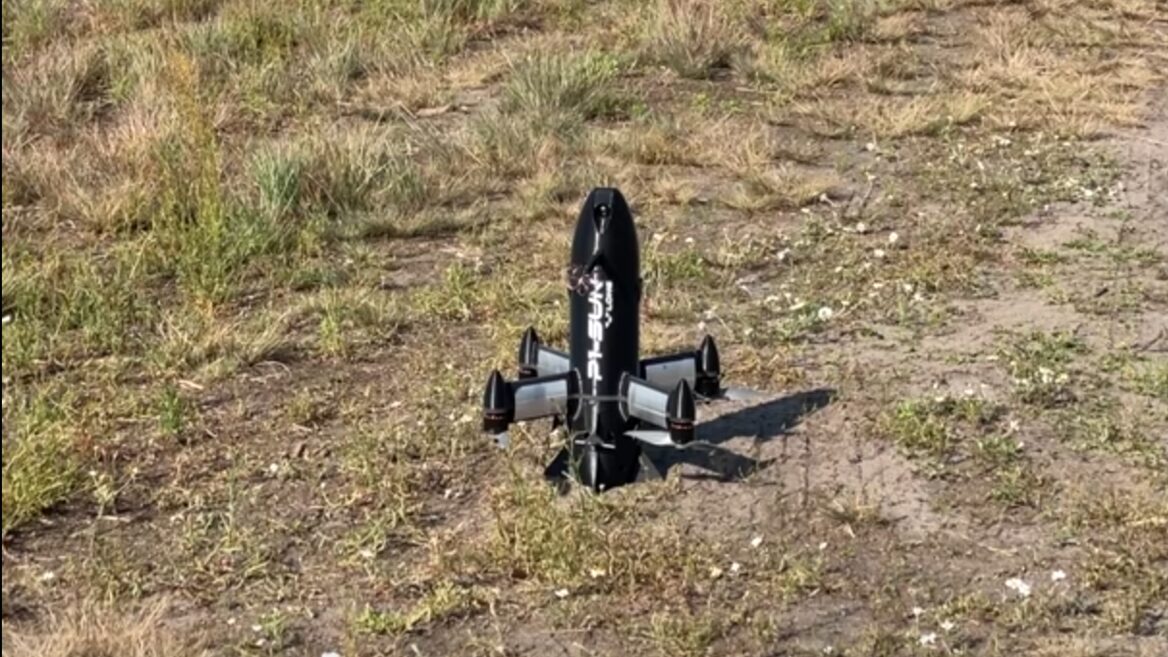
The market has responded by expanding its defense technology offerings. Recent innovations include a portable anti-drone device in the shape of a pistol from the American company Dedrone, as well as an autonomous unmanned escort vehicle from Boeing, equipped with electronic warfare capabilities and weapons in a removable nose compartment.
Analysts estimate the current size of the global market for counter-UAVs at $3–7 billion. It is expected to grow at a compound annual growth rate of about 20%. According to MarketsandMarkets, this figure will reach $14.5 billion by 2030.
Echodyne CEO Eben Frankenberg, who makes drone-detection radar, said demand for its products has increased by more than 100% in the past year. To meet the demand, the company is launching a new factory that will increase its capacity to more than 30,000 units per year.
«We are feeling the direct effect of the huge number of customers contacting us,» confirms the trend Siete Hamminga, CEO of the Dutch RobinRadar.
However, the integration of military technology into civilian life faces strict regulatory restrictions. Most airports are limited to target detection systems. The use of active electronic warfare or GPS jamming can block communications and navigation devices on passenger planes. The use of physical or kinetic weapons within cities is also prohibited.
«So-called kinetic weapons, such as machine guns or the like, simply cannot be used near civilian infrastructure,» explains the German company Hensoldt. The legal regulation and limits of the permitted use of such systems currently depend entirely on the governments of the countries.
Developers acknowledge that the technology race never stops. «It’s always a game of cat and mouse. Someone is building a new drone, and we have to make sure we stay one step ahead,» says Mike Shute of DroneShield.









Challenge yourself in Kart Bros by mastering advanced drifting techniques and discovering hidden shortcuts across unique racing tracks.