Хочете будувати кар’єру в Data Science та AI? Vodafone Big Data Lab відкриває новий набір —>
Олексій ДзюбаІсторії
14 March 2025, 09:02
2025-03-14
"It is impossible to transmit such volumes of information using satellite or radio communications." Why attacks on submarine cables are a potential way to isolate states, from which even Elon Musk's Starlink will not save
In the past few months, undersea telecom cables have been in the spotlight. In November, an undersea communications cable broke between Finland and Germany. Later, it became known that a similar cable broke between Lithuania and Sweden. In early 2025, Taiwan accused China of damaging an undersea cable that runs to the island nation by its ship. Add to this previous similar incidents in the Red Sea, and today we have a new threat that is shaking up the world order.
In this article, we will understand the importance of such, at first glance, "old" technology, whether it is realistic to isolate a country by cutting its submarine cables, and why Elon Musk will not save humanity's communication with his alternative in the form of Starlink.
In the past few months, undersea telecom cables have been in the news all over the world. For example, in November, an undersea communication cable broke between Finland and Germany. Later, it became known that a similar cable broke between Lithuania and Sweden. In early 2025, Taiwan accused China of damaging an undersea cable that runs to the island nation by its ship. Add to this previous similar incidents in the Red Sea, and today we have a new threat that is destabilizing the world order.
In this article, we will understand the importance of such, at first glance, "old" technology, whether it is realistic to isolate a country by cutting its submarine cables, and why Elon Musk will not save humanity's communication with his alternative in the form of Starlink.
Underwater attacks
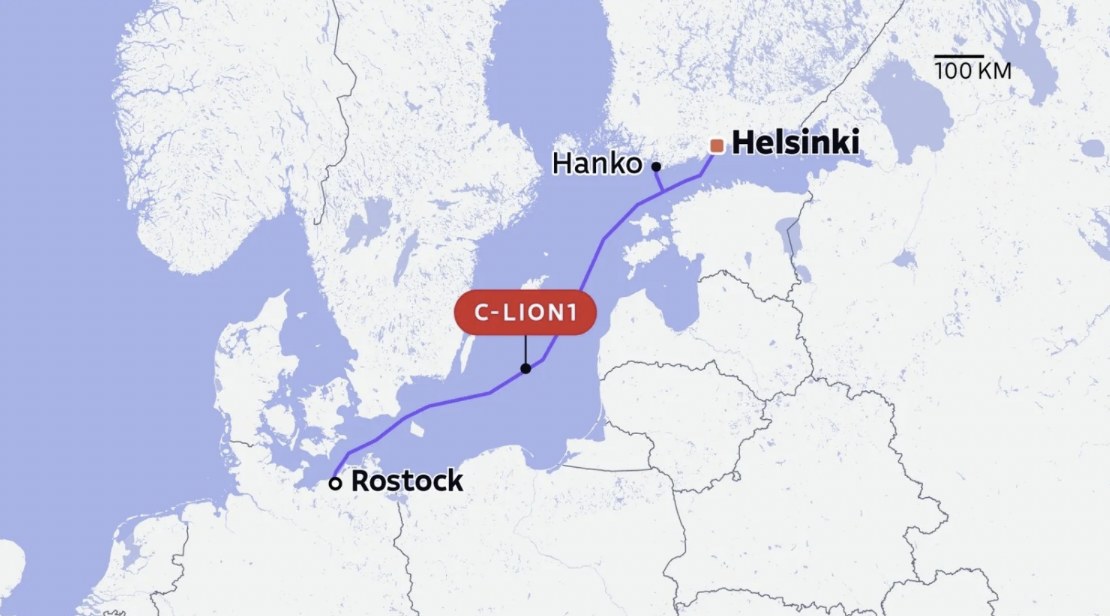
Last November, Finnish state-owned company Cinia, which builds fiber-optic networks and provides telecommunications services, said its C-Lion1 submarine cable between Finland and Germany had broken in the Baltic Sea.
The 1,173 km long cable runs between Santahamina in Helsinki and Rostock in Germany. Finland's international telecommunications connections are protected by several routes, and the consequences of a break in one cable depend on the level of security of the service providers' connections. However, damage to the cable makes it difficult for others to work, increasing the load on them.
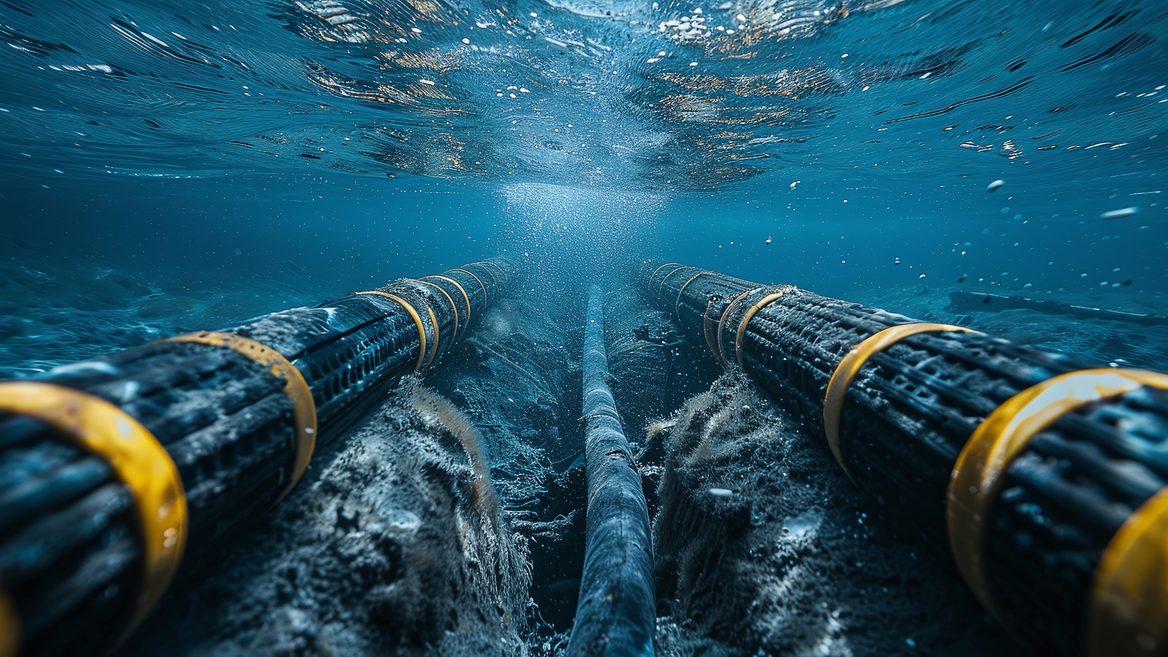
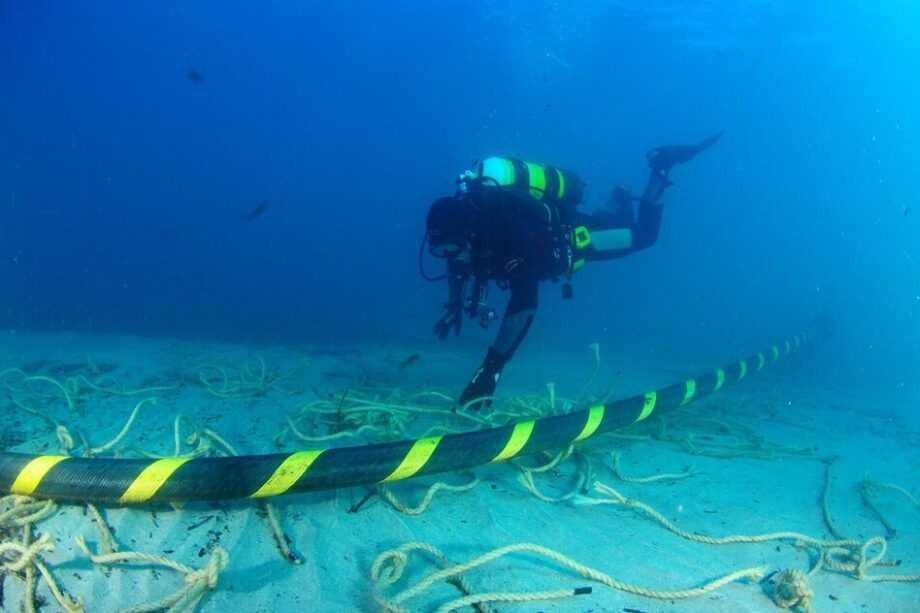
Photo — Underwater telecom cable between Finland and Germany
Thus, data transmission between the two countries was completely interrupted due to the rupture of the cable, which was the only direct connection of its kind between Finland and Central Europe and ran alongside other important underwater infrastructure, including gas pipelines and power cables.
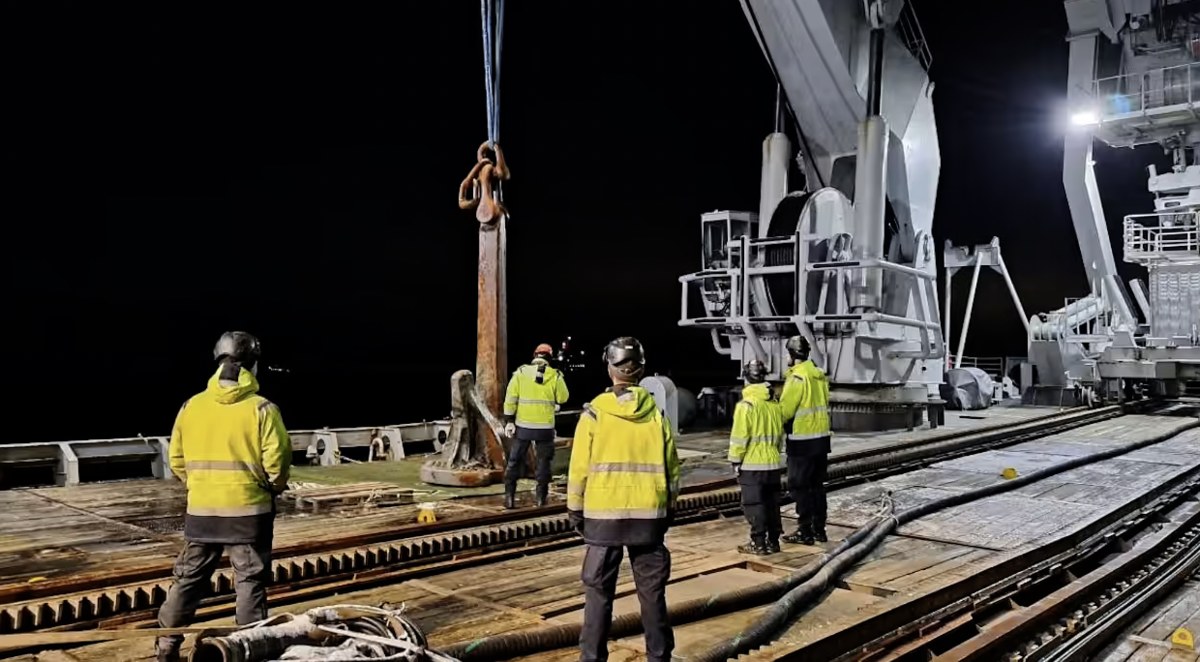
Finnish law enforcement officers investigating damage to underwater power and information cables have found traces on the seabed, likely left by the anchor of the detained Russian shadow fleet tanker Eagle S. According to the latest update in the case, the crew of the oil tanker was preparing to damage other cables, but the ship was detained in time, said the head of the Finnish investigation.
Almost on the same day, Lithuania and Sweden also discovered a damaged undersea communication cable. Telia Company, one of the largest telecommunications companies in the Baltic states, said it was transmitting Internet connections to Lithuania through three cables. The incident reduced Internet bandwidth by a third . However, users will not feel this. Both incidents occurred a few weeks after the United States discovered increased Russian military activity around major undersea cables.
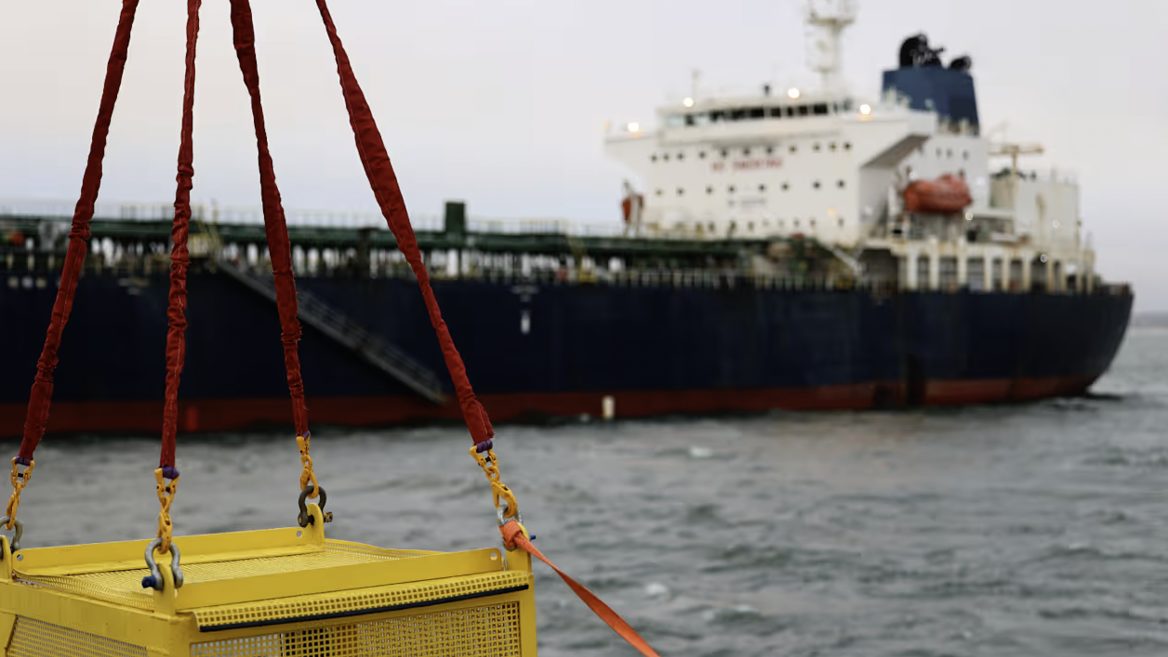
Photo - Russian shadow fleet tanker Eagle S, which could have damaged telecom cables near Finland
Here’s an example from another part of the world. On January 3rd, near the port of Keelung in Taiwan, the Cameroonian-flagged cargo ship Shunxing39 allegedly damaged an undersea cable that is part of the Trans-Pacific Express Cable System. Although the ship is owned by Hong Kong-registered Jie Yang Trading Limited, its director is a mainland Chinese citizen, Guo Wenjie. Taiwan believes the incident may be part of a broader Chinese strategy to cut off the island’s external communications. Communications were quickly restored, with the damaged cable being routed to other cables.
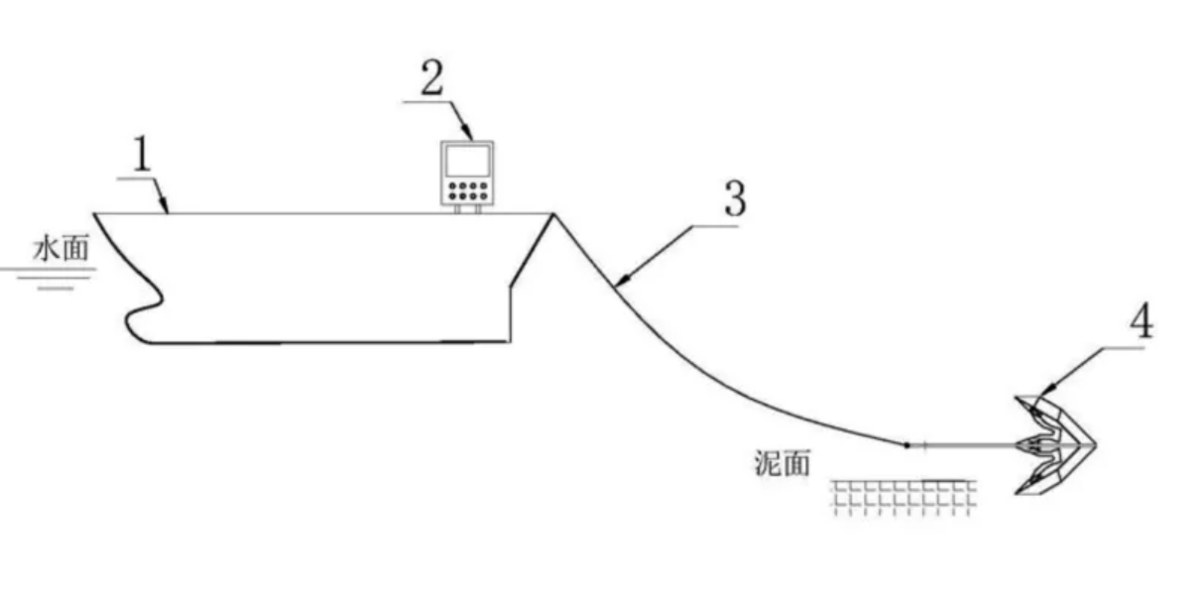
In 2020, a team of engineers from Lishui University in China filed a patent for an underwater cable-cutting device of the tensile type. The university is located in a coastal area across the sea from Taiwan, and the patent states that the device is designed for “emergency situations.” “With the development of science and technology, more and more submarine cables and communication cables are laid on the seabed in all parts of the world, and in some emergency situations, the cables need to be cut,” the authors of the patent application from Lishui University write.
Chinese university developed underwater cable cutting device and filed patent application several years before damage incidents
Naval sabotage
"The submarine optical cable for marine fiber-optic communication lines consists of two sections: coastal (depth up to 1 km) and marine (cable at great depths). The first has a greater probability of damage due to mechanical reasons - anchors, vessels, etc.," says Viktor Katok, professor and chief advisor on scientific and technical policy of Ukrtelecom, who is almost the only specialist in Ukraine specializing in the topic of submarine communication cables, in a comment to dev.ua.
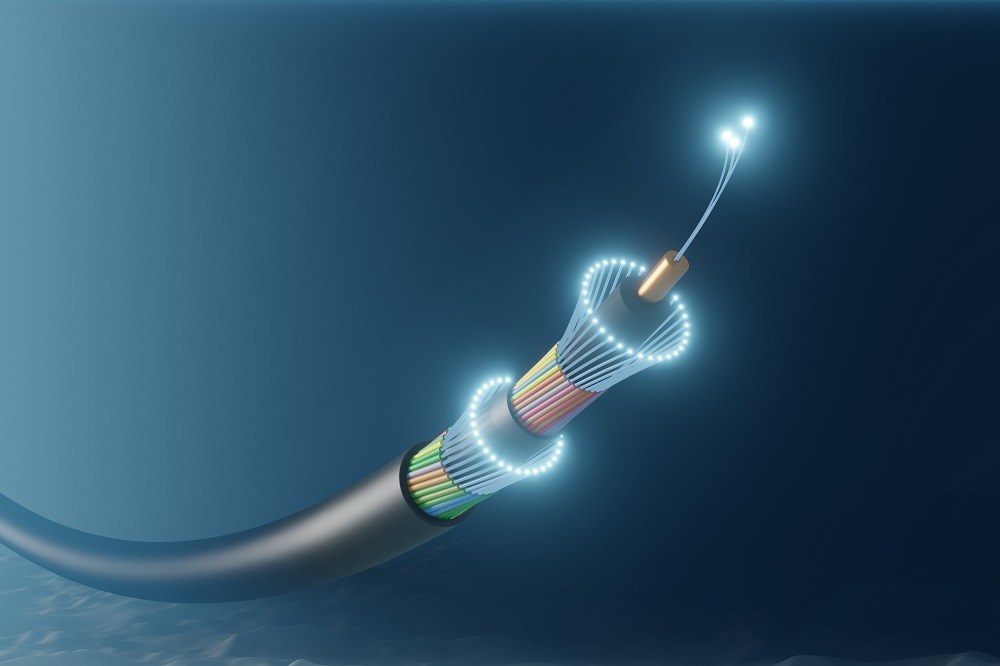
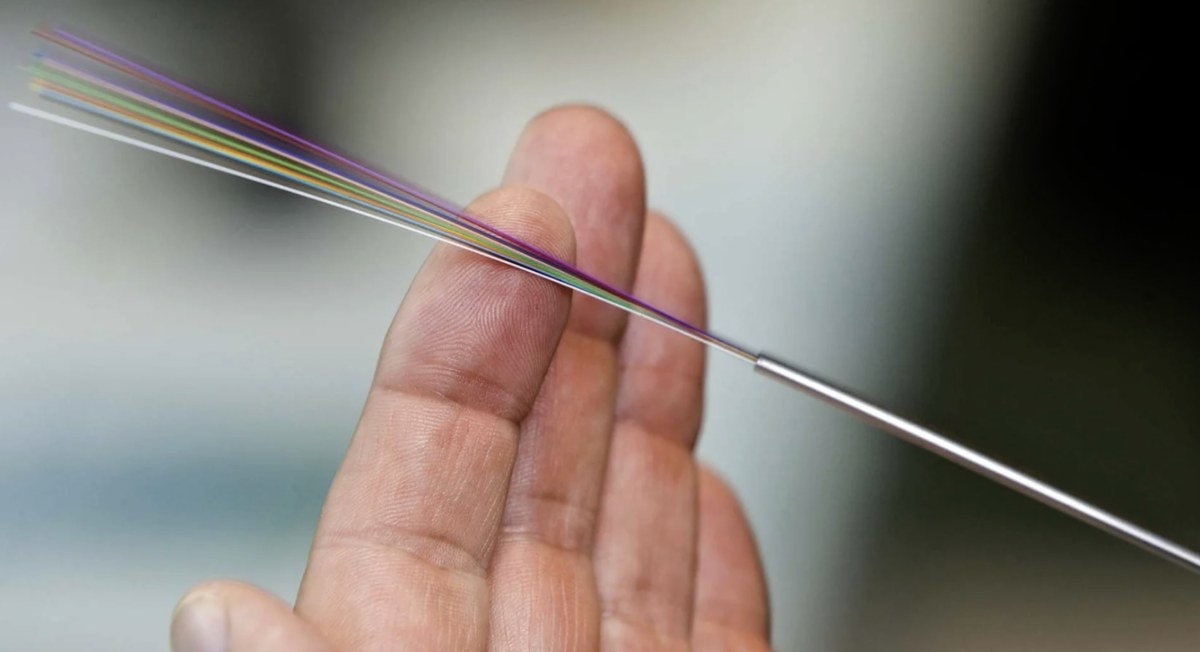
The expert explains that this is why coastal cables are covered with powerful armor, in particular, steel, stainless steel wire 1-3 mm thick. Sea cables (at greater depths) are less protected, because they are more difficult to reach. They are covered with special, thick plastic sheaths, and their central part, as a rule, consists of a copper tube. Inside it are fiber-optic light guides.
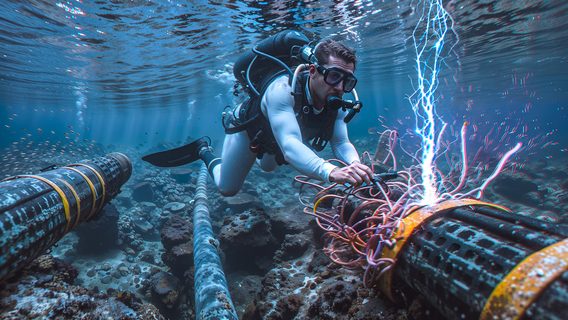
Photo — Underwater cable in section
There are cases, for example on the coasts of Greece and Italy, when coastal submarine cables are sunk in specially made trenches for them. They are sunk into the seabed and sometimes bags of cement are placed on top. The latter turns into a strong stone in the water, which creates additional protection for the cable.
"Each submarine cable is marked on the navigational chart (navigational guide - ed.). Therefore, the captain who is leading the ship has a chart with all the submarine cables in front of his eyes - both communication and energy. When the ship is preparing to drop anchor, the captain looks at the chart so as not to damage the cable on the bottom," said Viktor Katok.
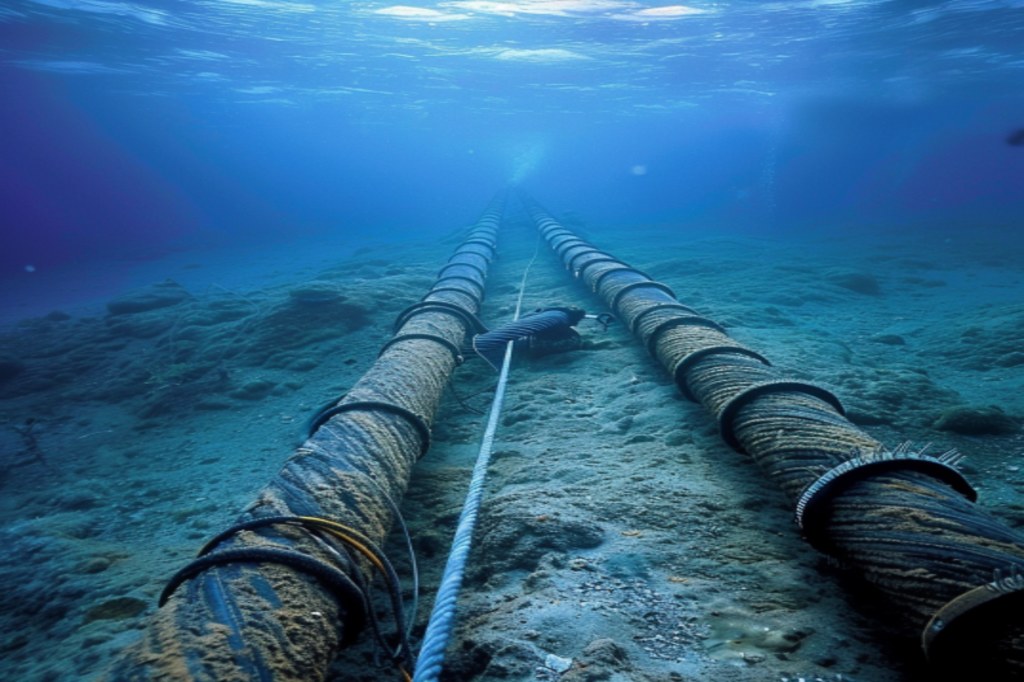
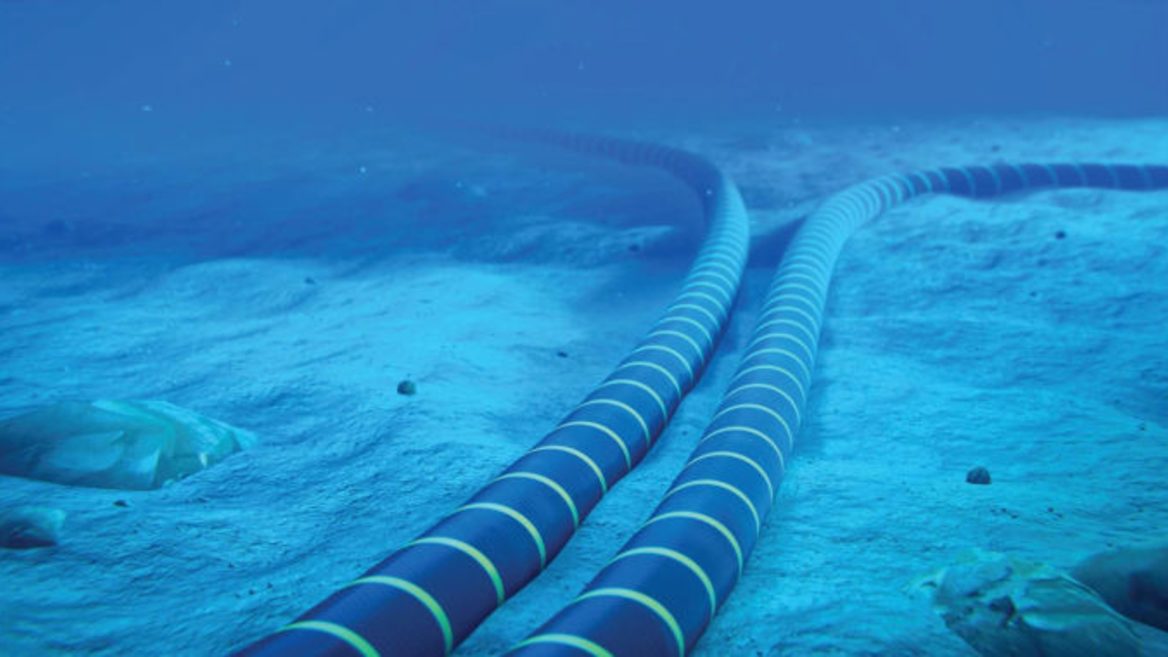
Photo — Submarine cable
To damage a cable, say, between Finland and Germany, requires considerable effort, the expert says.
"You need to drop the anchor of a large vessel to the bottom and have it moving at a speed sufficient to generate significant mechanical effort. It would have to be a cargo ship or a tanker."
The specialist adds that in such cases, the ship's crew acts deliberately, because the logs contain data on all the cables and it is impossible not to notice them. "It is difficult to break the cable the first time, because it is quite strong. In addition, it could have been silted up with sand over the years. However, it is possible by applying the efforts of the tanker while it is moving," the interlocutor says. Another variant of sabotage is a terrorist act in the form of an underwater explosion, which is carried out by divers or a bathyscaphe. "A diver will not be able to break it with an ax or other tool, such a cable is a fairly strong product," the scientist said.
"If we look at the Heart of the Sea, there is a whole network of cables in it. But they are not damaged, the captains are careful with the underwater lines."
Finding a broken cable is easy. This is done using locators that probe its optical pulses. If the LEDs are damaged somewhere in it, the pulse does not “go” forward, but “returns” back. “With an accuracy of up to 10 meters, you can localize the point of damage to an optical cable. In every region of the world, there are teams of special divers who can lift the cable and put additional couplings on it as additional protection,” explained Viktor Katok.
At the site of the rupture of the Internet cable in the Gulf of Finland, an anchor mark was found almost 100 km away
Traffic, traffic, traffic
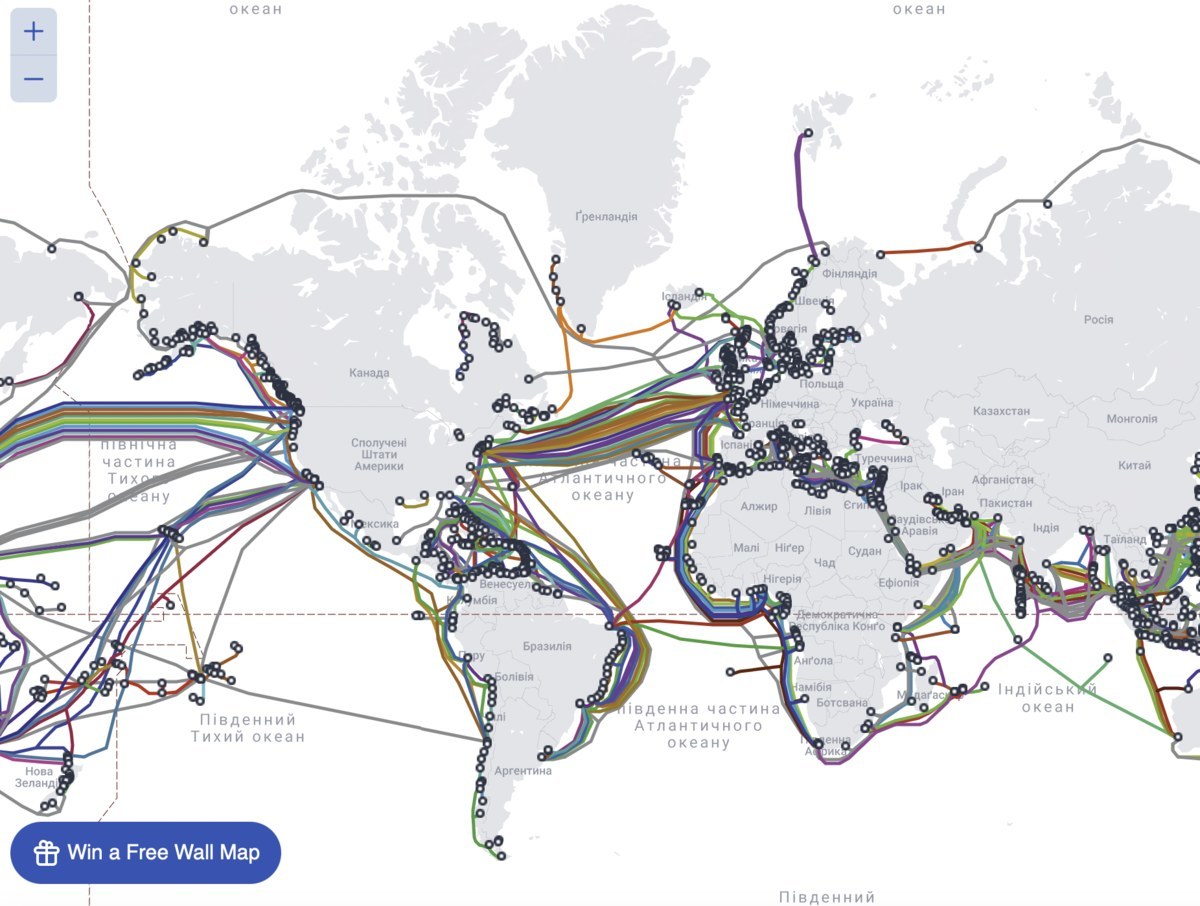
As of early 2024, there are nearly 1.4 million km of submarine cables in use worldwide. In quantitative terms , this means 600 active and planned submarine cables. The total number is constantly changing as new cables are put into operation and old ones are decommissioned. Some of them are quite short, such as the 131 km long CeltixConnect cable between Ireland and the UK. Others are incredibly long, such as the 20,000 km long Asia America Gateway cable.
Such a huge number of cables laid under water is literally necessary to keep the world going. The fact is that 99% of the world's Internet traffic passes through submarine cables, providing 7 billion transactions every minute. We were able to see the importance of traffic through underwater systems in March last year. Then, due to damage to submarine cables in the Red Sea, 25% of Internet traffic had to be redirected.
Photo — Map of submarine cables
A new study by international fiber optic communications company RETN takes a closer look at the impact of Yemeni Houthi attacks on submarine cables in the Red Sea. Several key cable systems, such as the SEA-ME-WE (Southeast Asia–Middle East–Western Europe) and EIG (Europe India Gateway), run through the Red Sea, connecting Europe, Asia, and Africa.
The 25% figure for data traffic between Europe and Asia is reportedly a serious underestimate. Based on what the company was seeing on its own network at the time and feedback from its customers and many large ISPs in Southeast Asia, a more likely figure is 60-70% due to congestion or extended data transfer times.
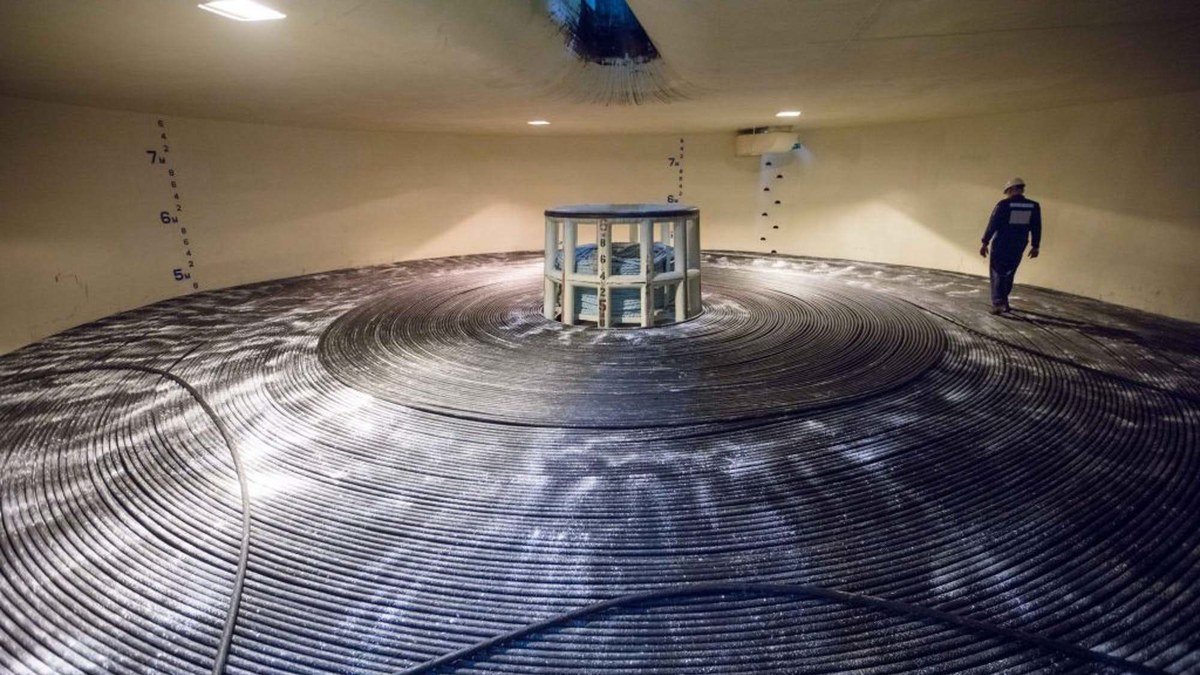
Photo — Coiled submarine cable
That's why it's important for all network operators to deploy diversified data routes. At a minimum, network operators should provide at least 4 routes to any point in the world, preferably 5+, says RETN.
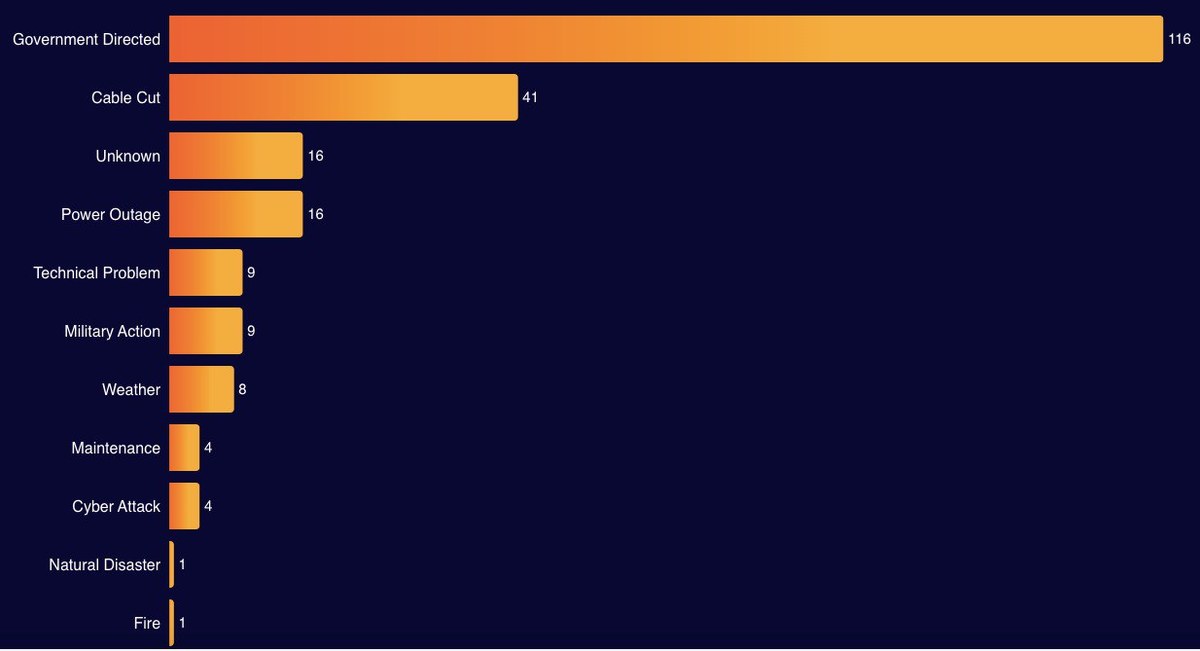
Cable cutting (41 times or 18.2%) was the second most common cause of internet outages worldwide, according to the US-based Cloudflare, a global network infrastructure services company. A total of 225 major internet outages were recorded worldwide.
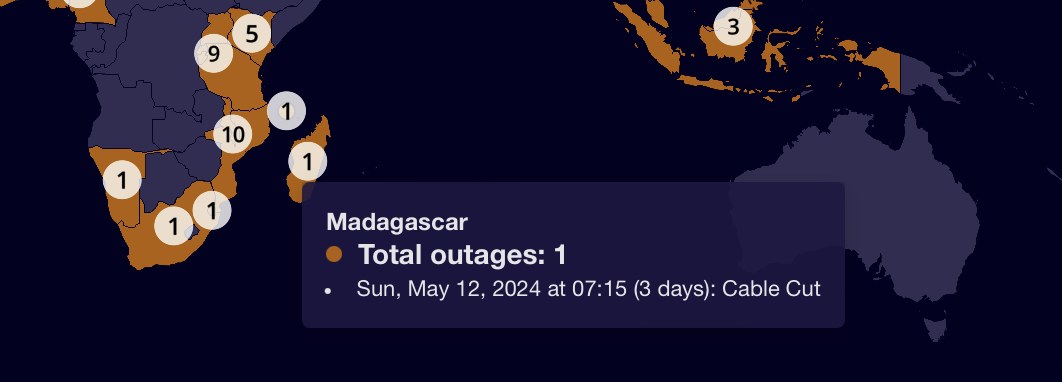
The first place was taken by cases of "manual" network shutdowns by autocratic governments of various countries. From Cloudflare data, in particular, we see that in May 2024, the island of Madagascar had no Internet for three days due to cutting a cable.
In general, the most common types of submarine cable damage include:
Undersea cable breaks caused five times more disruption to traffic between Europe and Asia than researchers previously reported. Key insights from the RETN study
Possible insulation
If, hypothetically, all of these cables were to break at the same time, modern civilization would cease to function. The financial system would immediately “freeze.” Currency trading would cease, stock exchanges would close. Banks and governments would be unable to move funds between countries because the SWIFT and U.S. interbank systems rely on undersea cables to process more than $10 trillion in transactions every day.
Submarine cable breaks occur on average every other day, about 200 times a year. One such incident costs $2-3 million. According to the specialized publication SubTel Forum, there are 77 cable ships in the world, but most of them are focused on the more profitable work of laying new systems. Only 22 are intended for repair, and this is an aging and eclectic fleet.
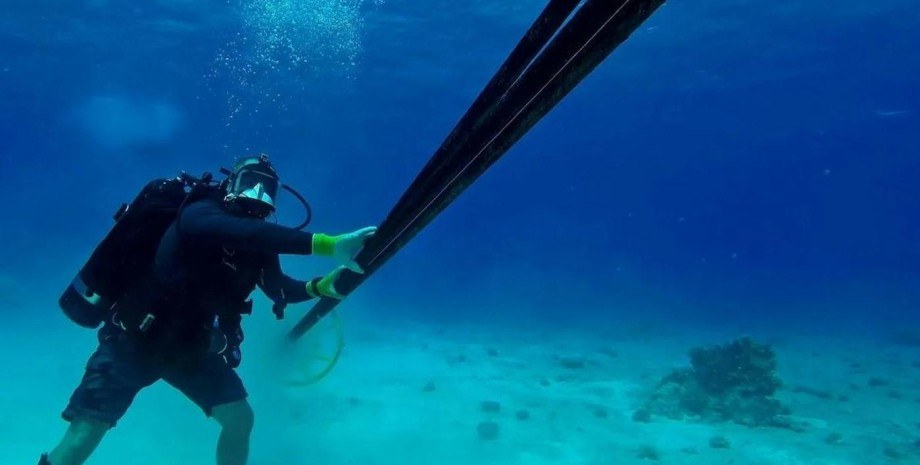
Photo — Working with a submarine cable
"The shelf life of the first cables we laid was 20-25 years. Now we expect that if laid correctly, they will last 30 years," says Viktor Katok.
Returning to the aforementioned history with Taiwan, there is growing concern in the island nation that China could secretly cut off external communications in a possible attempt to annex the country. Recall that the ruling Communist Party of China considers Taiwan to be part of its territory. Beijing has increasingly promised to "reunify" the island with mainland China since 2022.
Photo — Working with a submarine cable
But is it possible to completely isolate a country by cutting all its submarine cables? "Island states are indeed the most vulnerable in this situation. But submarine cables from Taiwan go not only to China, but also to the USA, bypassing the PRC," Viktor Katok said in a comment to dev.ua.
Taiwan submarine cables
In total, Taiwan is connected to dozens of submarine fiber optic cables, providing connectivity to many countries, including China, Japan, South Korea, Hong Kong, Singapore, the United States, and others. These cables are critical for ensuring internet connectivity and data transmission between Taiwan and the rest of the world.
Major submarine cable systems related to Taiwan:
1. EAC-C2C (East Asia Crossing — City to City):
— A group of underwater optical cable networks connecting countries in East Asia.
— Partner countries: China, Hong Kong, Japan, South Korea, Singapore and others.
— Length: About 36,800 km.
2. TPE (Trans-Pacific Express):
— An undersea fiber optic cable connecting Asia with North America.
— Partner countries: China, South Korea, Japan, USA.
— Length: About 17,000 km.
3. FLAG (Fiber-Optic Link Around the Globe):
— An underwater optical cable network connecting the UK, Japan and other countries.
— Partner countries: Connects to Japan from the east coast of the United States.
— Length: About 28,000 km.
The expert explains that Taiwan is quite well-connected and having submarine cables connected only to China would be reckless from the point of view of an island nation. "This is done so that damage to one cable cannot leave the entire country without communication," the expert adds.
Viktor Katok says that he had a discussion with his colleagues in the field about whether it is possible to completely isolate a country or continent from the world by cutting all its underwater cables. "We came to the conclusion that it is possible. It is impossible to transmit such volumes of information using satellite or radio communication. A collapse is possible, but technically it is very difficult to create it - there are a lot of cables, they are scattered in different directions, it is not easy to find them," the interlocutor explained.
"Taiwan is 'potentially the most critical single point of failure' in chip manufacturing." Earthquake could make tech prices around the world rise again, and here's why
Elon Musk is not a panacea
Can entrepreneur Elon Musk's Starlink satellites replace traffic that travels through undersea cables? Today, 99% of internet traffic is transmitted via undersea cables and only 1% via satellite channels. Satellites typically offer only 1,000 Mbps and have high latency, which is the time it takes for data to travel between source and destination.
"We will not get away from underwater cables. Data transmission using satellites and underwater cables are not competitors, but complementary technologies. However, it is quite difficult to provide gigabit data transmission via satellite in seconds, especially if there are many users on the network," says Viktor Katok.
Photo - Part of an underwater cable
The specialist explains that thousands of satellites fly in one orbit to ensure the distribution of the Internet at a sufficiently high speed. "I expect that in the 6G network, low-flying satellites will be used as communication base stations. Perhaps they will be some kind of airships," the expert adds. He emphasizes that the speed of terabits/second can currently only be provided by cable.
"We also expect the emergence of quantum computers. So-called "quantum keys" are already being used to protect information transmitted over fiber-optic lines. Quantum communication requires fiber-optic light guides contained in underwater cable lines," Viktor Katok concluded.
Sweden is investigating whether Chinese ships may have been involved in damaging cables in the Baltic Sea. How do the undersea cables that power the world's internet work? Analysis