Figma introduces new tools for artificial intelligence
The Figma design platform has announced the introduction of new features that should set clear frameworks and rules for the work of AI agents (both its own and third-party ones).


The Figma design platform has announced the introduction of new features that should set clear frameworks and rules for the work of AI agents (both its own and third-party ones).

The Figma design platform has announced the introduction of new features that should set clear frameworks and rules for the work of AI agents (both its own and third-party ones).
The main goal of the updates is to help artificial intelligence better understand companies' design systems and strictly adhere to brand books when generating content, TechCrunch reports .
The company debuted Figma Specs, a Markdown-based editor that allows teams to easily describe their design language. The document serves as a single source of truth (reference) for both human and AI agents.
Specs can exist as a separate file or be located directly on the canvas.
You can integrate elements from the Figma canvas, FigJam diagrams, code layers, and design snippets into your document.
Teams can connect libraries of design, code, and instructions to ensure AI agents don’t break established brand rules due to the unpredictable nature of artificial intelligence.
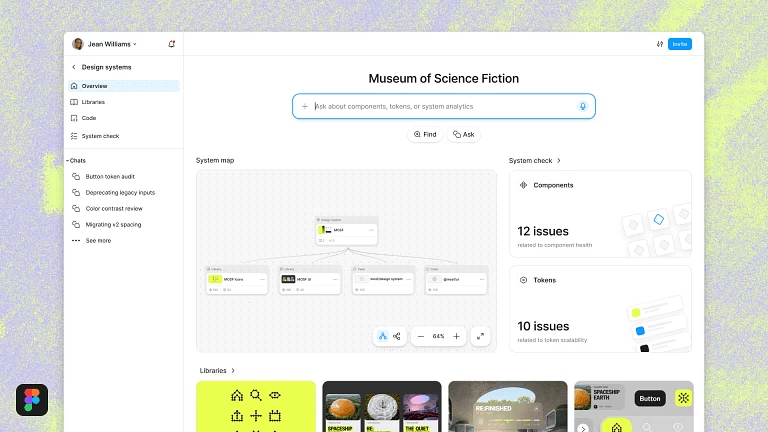
The Code Layers feature, which adds coding directly to designs on the canvas to create interactive prototypes, is now available in open beta (previously in private beta since June).
Users can ask the AI agent to convert a design into code or make changes to a specific part of the code for rapid prototyping.

Figma also announced support for over 20 new tools through its MCP (Model Context Protocol), including Open Code, Dia, Grok Bot, and Indian AI startup Sarvam.
“Today, 17 times more lines of code are being created than before, but the number of releases has only increased by a factor of 1.3. Much of this code is written not for release to the market, but for product research — in fact, for its design,” noted Loredana Crisan, chief designer at Figma.