Марія БровінськаWeapon
9 October 2026, 16:30
2026-10-09
"Shaheeds" over Kyiv received new antennas with 32 elements. "Flash" explained the dangers and warned that electronic warfare will have to redouble its efforts
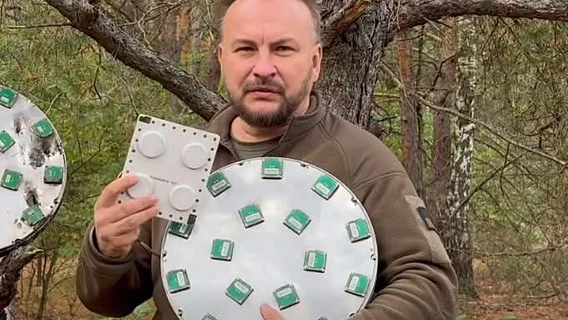
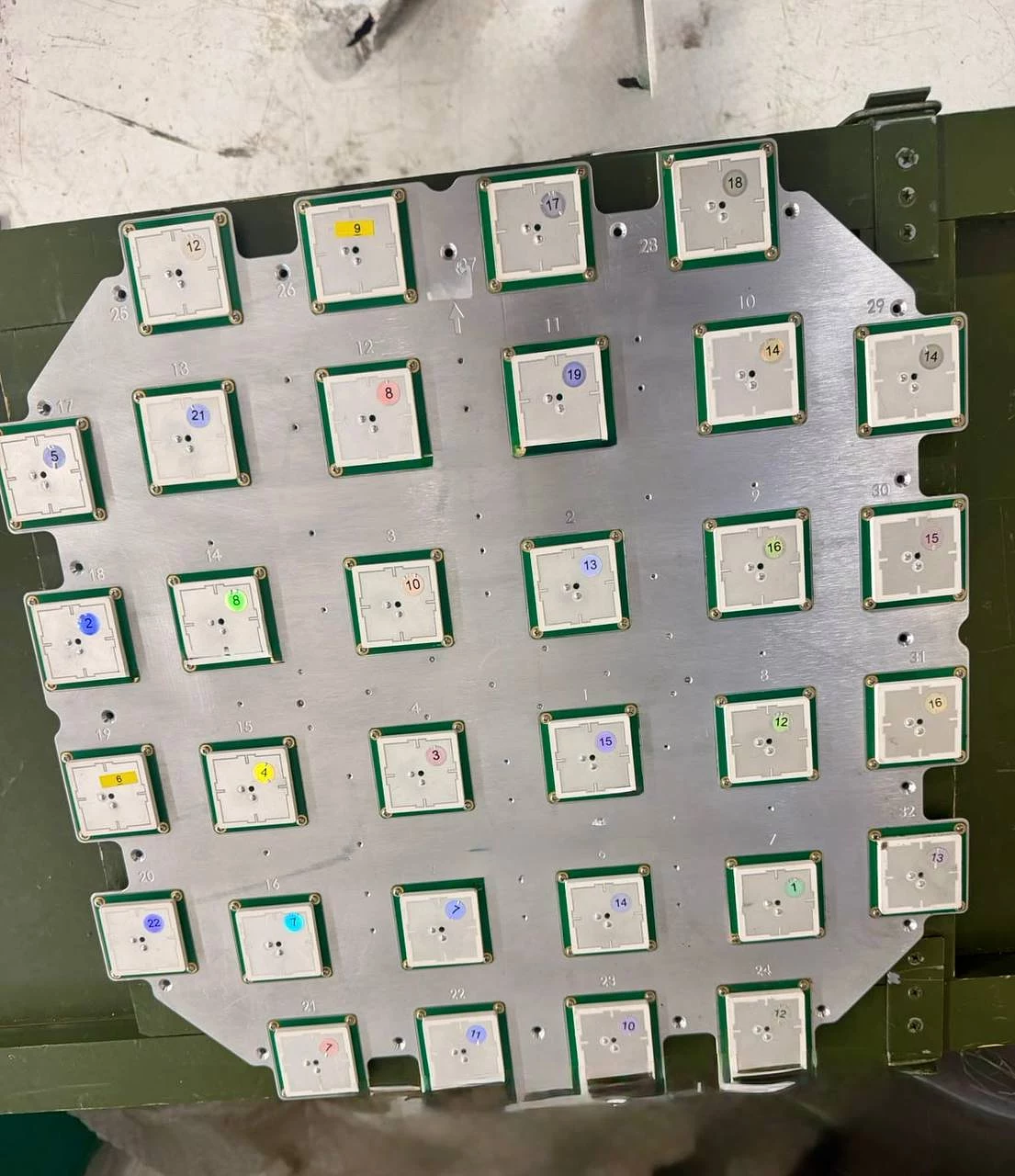
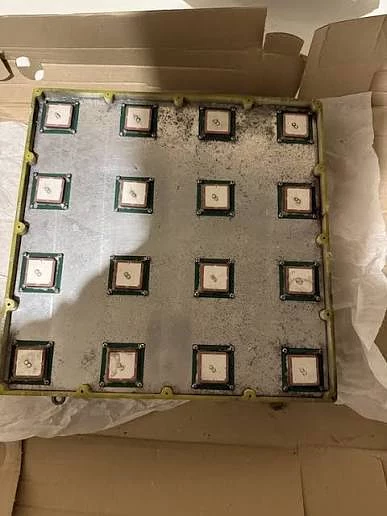
New, protected satellite navigation antennas with 32 elements have been found on the "Shaheds" attacking Kyiv. This was reported by military, communications and drone expert Sergey "Flash" Bezkrestnov. Before that, the Russians were using antennas with 16 elements.
New, protected satellite navigation antennas with 32 elements have been found on the "Shaheds" attacking Kyiv. This was reported by military, communications and drone expert Sergey "Flash" Bezkrestnov. Before that, the Russians were using antennas with 16 elements.
What does this mean
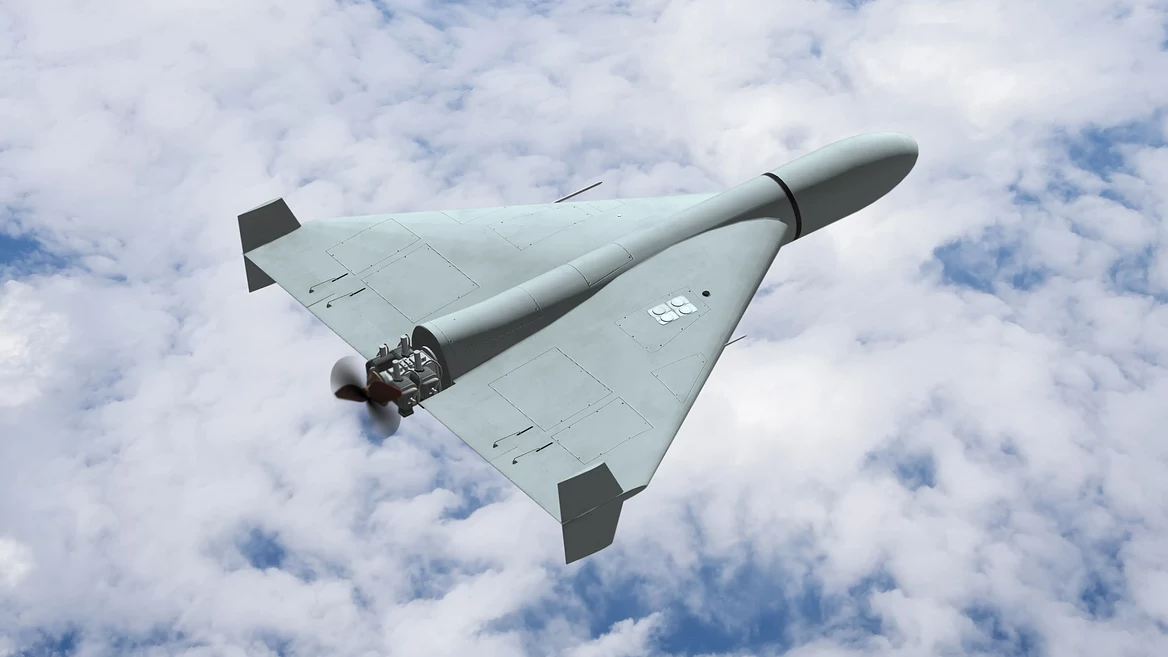
"Shahed" can be guided to the target via two channels: in radio control mode by the operator (via a network modem) or via satellite navigation signals, in particular GPS.
To counteract GPS guidance, Ukraine creates interference on satellite navigation frequencies using electronic warfare (EW) equipment. In response, the enemy installs special CRPA antennas on the Shaheds, which are capable of neutralizing signals from our EW.
The more elements in the antenna, the more sources of interference it can suppress. According to "Flash", previously, 16 EW sources around the "Shahed" were enough, conditionally. Now they need twice as many.
A race that plays into the enemy’s hands
According to the expert, the race is difficult for Ukraine, because it is easier to increase the number of elements on the enemy’s antenna than for us to add new EW points.
CRPA antennas appeared on the Shaheds gradually. According to Flash, at the beginning of the war there were 4 elements, then 8, 12 and 16.
Earlier, military media reported that the Chinese company Harxon, which supplies such antennas for Russian drones, presented a 32-element model capable of simultaneously suppressing up to 31 sources of interference. I did not verify the date of these reports, so it is better to check them separately before publishing.