Хочете будувати кар’єру в Data Science та AI? Vodafone Big Data Lab відкриває новий набір —>
Валентин ШнайдерHot News
27 March 2026, 09:41
2026-03-27
"Formally, the resolution is legal, but it contains risks": Juscutum lawyer assessed the ban on gambling for the military
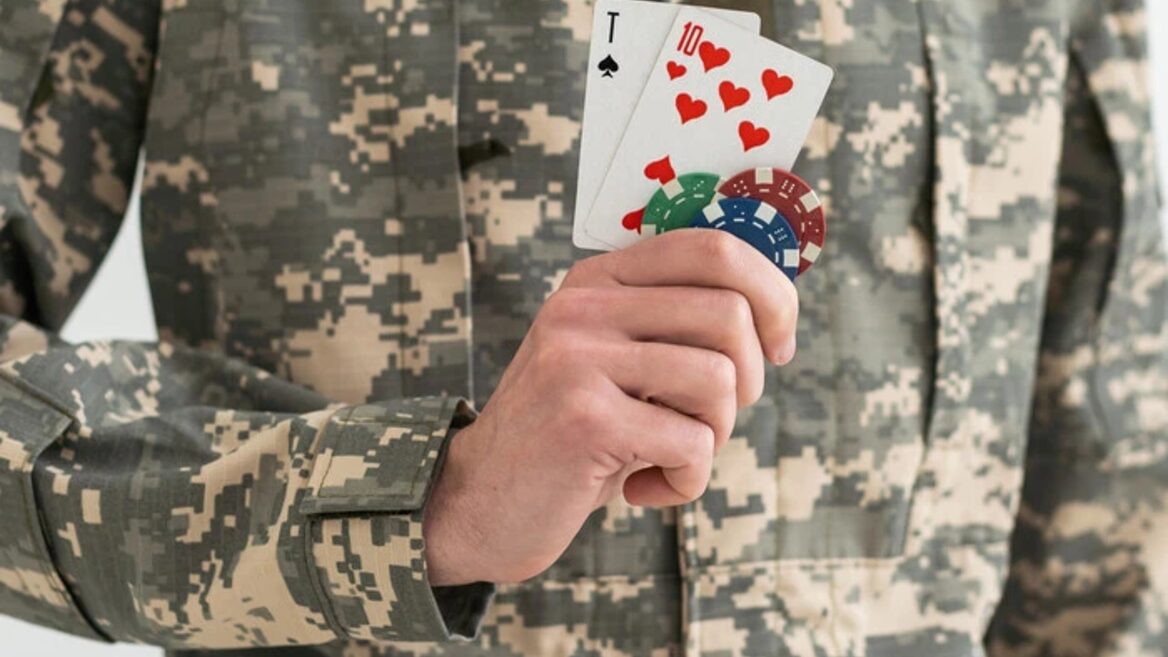
The government’s initiative to restrict military personnel’s access to gambling has a legal basis, but the way it is implemented may raise both legal and public issues, according to Oleksandr Horobets, a partner in the business security practice at the law firm Juscutum.
The government’s initiative to restrict military personnel’s access to gambling has a legal basis, but the way it is implemented may raise both legal and public issues, according to Oleksandr Horobets, a partner in the business security practice at the law firm Juscutum.
The Ministry of Digital Affairs recently submitted for public discussion a draft resolution of the Cabinet of Ministers, which provides for restrictions on the participation of military personnel in gambling during martial law. As Gorobets notes, from a formal and legal point of view, such a resolution has an appropriate regulatory basis, since it is based on amendments to the relevant law on state regulation of the gambling business. Also, according to him, the automated exchange of data between the register of military personnel and the register of persons with restricted access to gambling generally corresponds to the digital model of state administration.
At the same time, the lawyer points out that the proposed mechanism effectively automatically equates all military personnel to a group that is restricted from gambling, without an individual assessment of behavior or risks. This is where, in his opinion, the key problems arise.
«Formally, the resolution is legal, but it contains risks in terms of constitutionality and proportionality of restrictions,» notes Gorobets.
He also emphasizes that this is a restriction introduced by a by-law, although it affects the sphere of personal rights and freedoms, and the draft does not provide for a separate appeal mechanism or individual exclusion from such a ban.
Separately, Gorobets analyzes the social side of the issue. He admits that the state is responding to a real problem, since servicemen in war conditions are under constant stress, which increases the risks of gaming addiction. But a universal model of prohibition, in his opinion, can also have a side effect: create a sense of distrust towards the military, increase stigmatization, and even push the problem into the shadows.
In conclusion, the lawyer emphasizes that the goal of the initiative is understandable — to protect the military from the financial and psychological risks associated with gambling. But the optimal solution, in his opinion, would not be total restrictions for everyone without exception, but more flexible tools: individual bans, financial control or support programs for those who are truly at risk of addiction.
Previously, dev.ua wrote about how, according to Olena Bondarenko, a lawyer in the RELIANCE litigation practice, restricting military personnel’s access to gambling during martial law can be considered a security tool to reduce the risks of recruitment, blackmail, and financial vulnerability in the defense sector.