Хочете будувати кар’єру в Data Science та AI? Vodafone Big Data Lab відкриває новий набір —>
Марія БровінськаWeapon
18 May 2026, 09:39
2026-05-18
"Soon, interceptor missiles will be in the sky not only of Ukraine, but of all of Europe." Fire Point founder reveals details of Freya anti-ballistic missile project
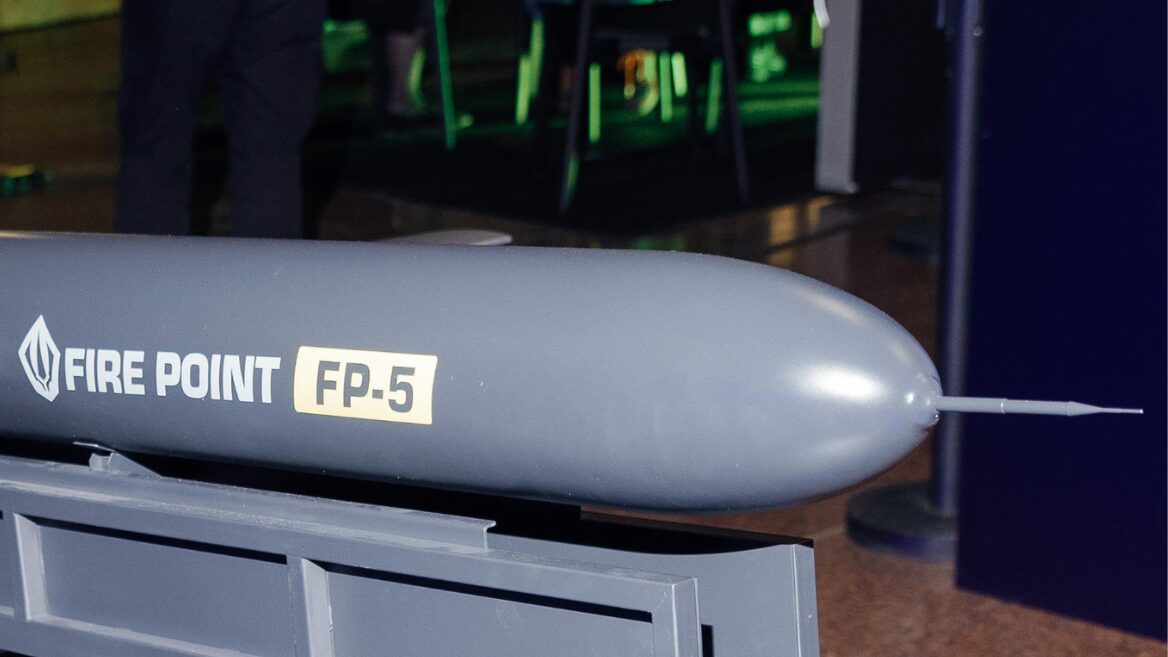
Ukrainian company Fire Point has revealed details of the Freya project, an anti-ballistic anti-aircraft missile system. The presentation was published on May 14 by the company’s co-owner, Denis Shtillerman.
Ukrainian company Fire Point has revealed details of the Freya project, an anti-ballistic anti-aircraft missile system. The presentation was published on May 14 by the company’s co-owner, Denis Shtillerman.
«Despite attempts to hinder and many distractions, our caravan is moving forward. Fire Point is joining the anti-ballistic coalition. Soon interceptor missiles will be in the skies not only of Ukraine, but of all of Europe,» he wrote in X.
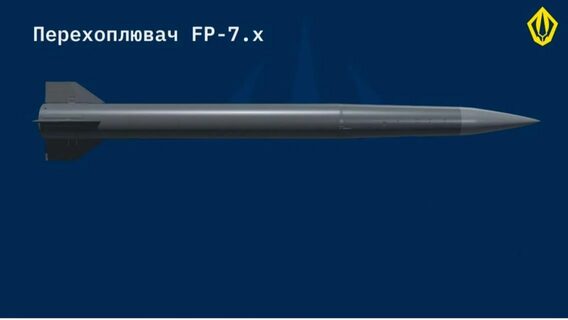
«Freya» is positioned as a pan-European anti-ballistic project. The basis will be the FP-7.x interceptor missile.
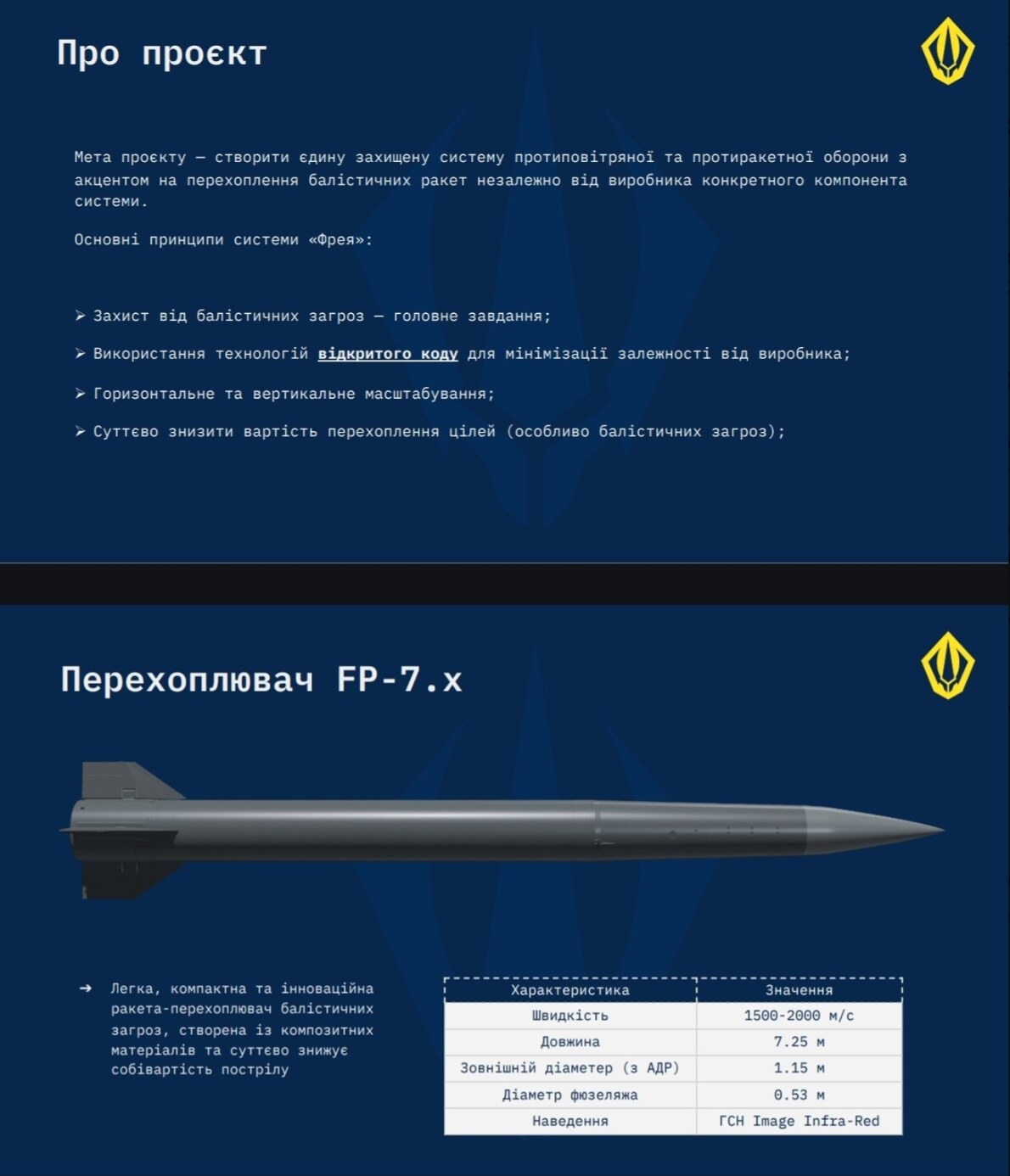
The technical specifications of FP-7.x are as follows:
speed — 1500-2000 m/s
length — 7.25 m
outer diameter — 1.15 m
fuselage diameter — 0.53 m
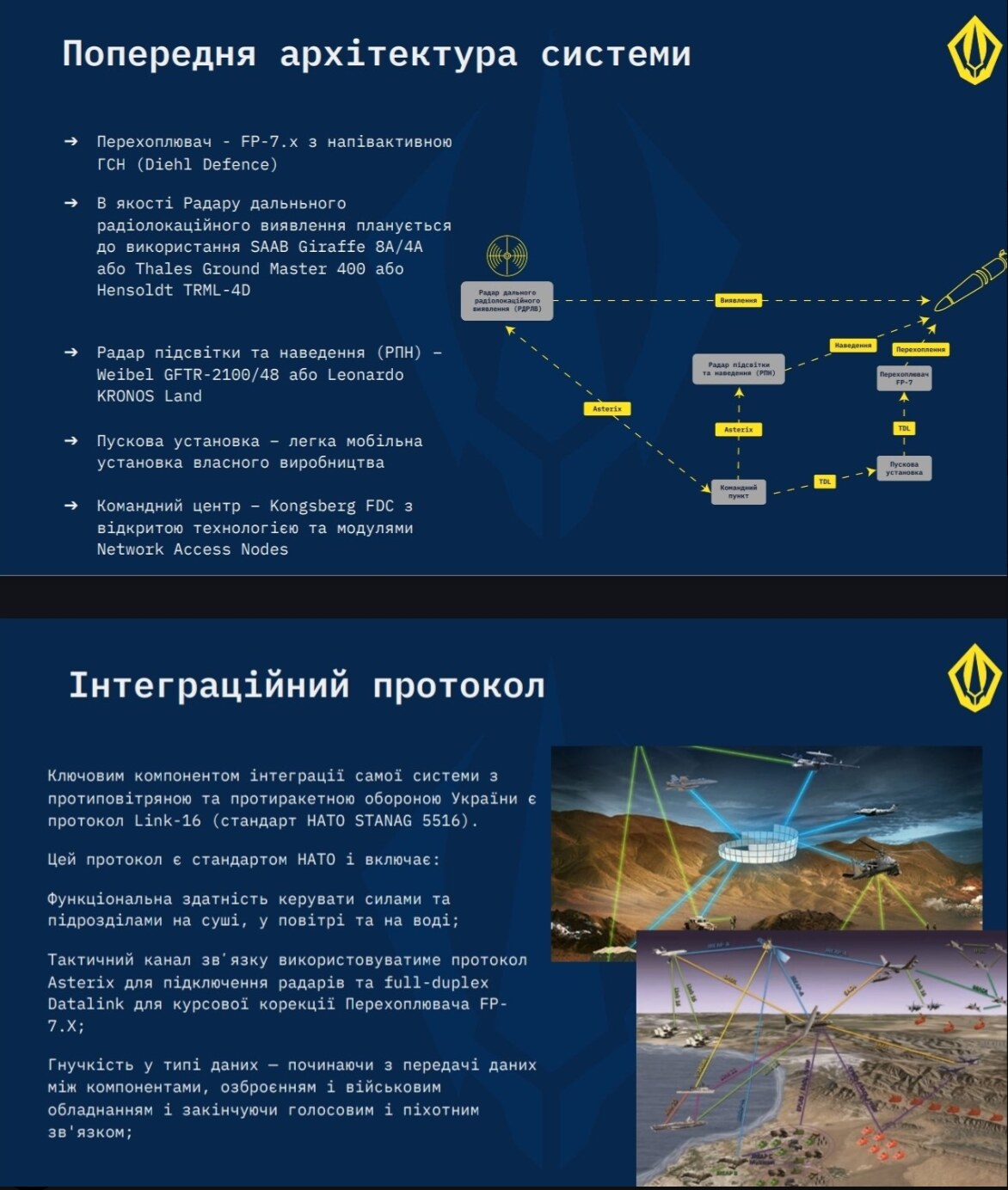
The missile is made of composite materials and equipped with a semi-active Image Infra-Red homing head. The development is planned to be carried out jointly with the German Diehl Defence, the manufacturer of the IRIS-T air defense systems.
For the illumination and guidance radars, two options are being considered: Weibel GFTR-2100/48 or Leonardo KRONOS Land. The launcher is Fire Point-developed, lightweight and mobile. The command post is Kongsberg FDC with open technology and Network Access Nodes modules.
Key principles include open source to reduce vendor dependency, horizontal and vertical scalability, and a significantly lower cost per shot against ballistic threats. The system will be assembled from off-the-shelf components, which will significantly speed up development.
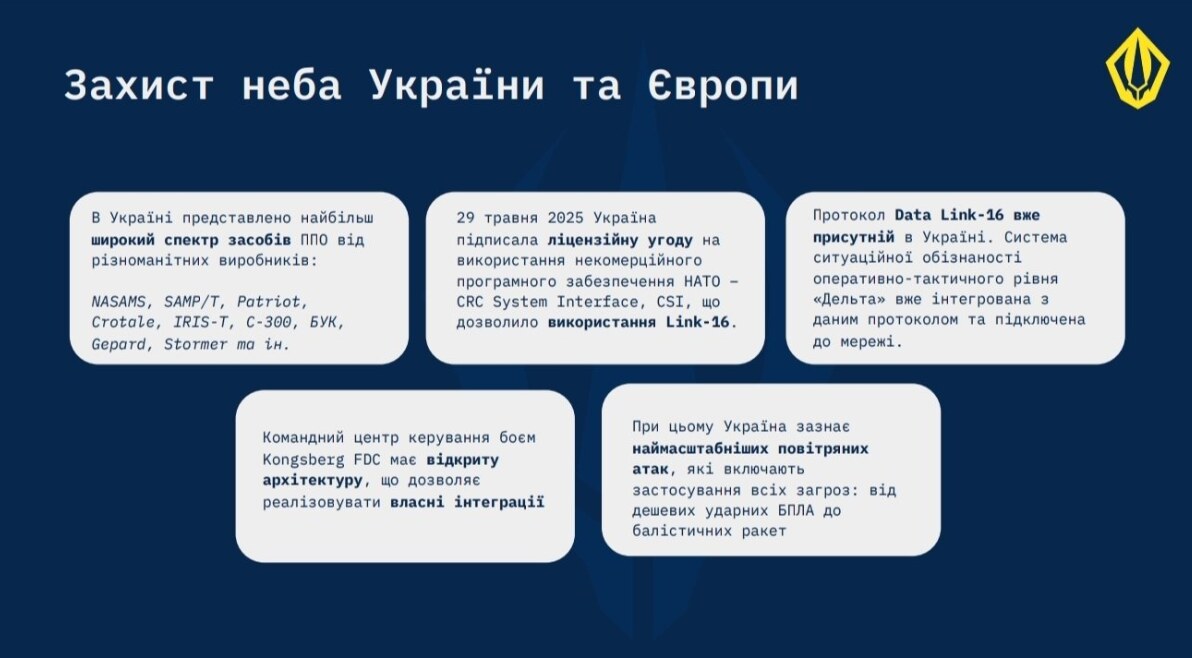
For integration with the all-Ukrainian air defense system, the Link-16 protocol according to NATO standards will be used. Ukraine signed a license agreement for the corresponding software back in May 2025. The Asterix protocol will allow radars to be connected, and full-duplex will provide course correction for missiles.
Context is important: Patriot’s PAC-3 MSE is currently the most massive missile in its class and has proven extremely effective in Ukraine, but global shortages make finding alternatives critically important.