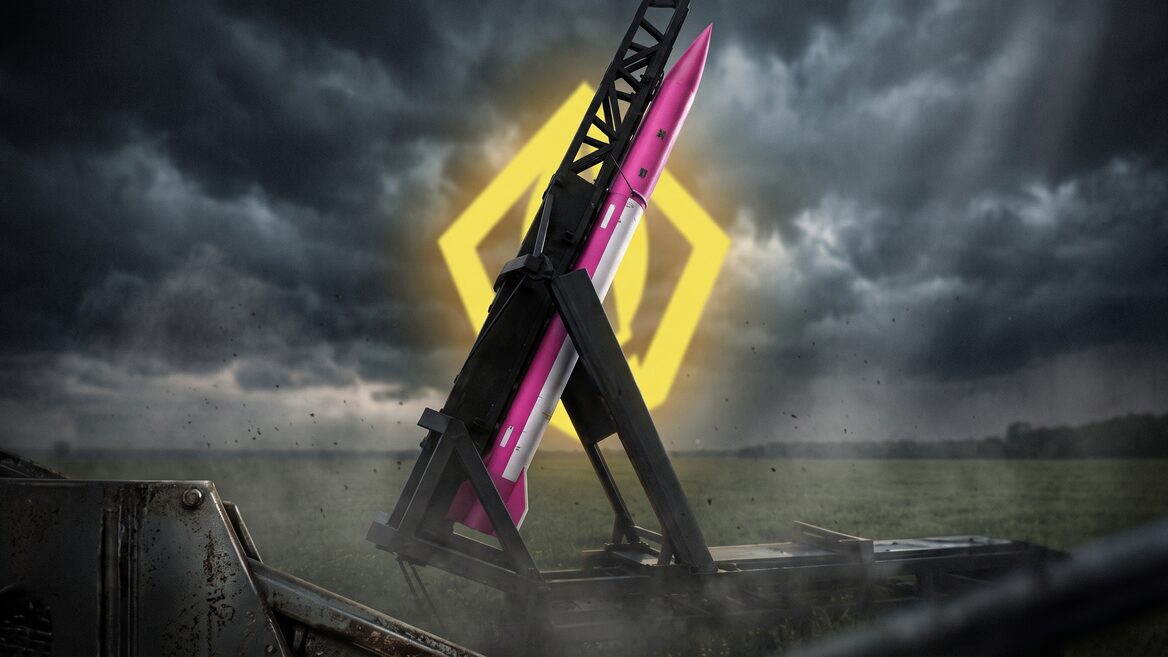
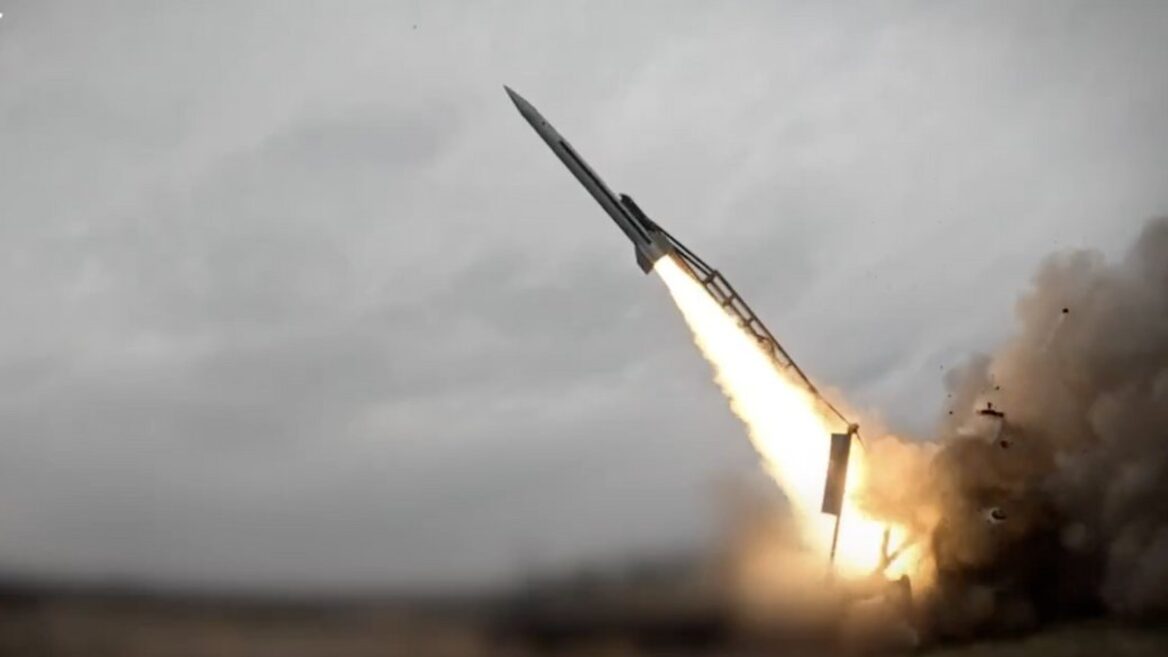
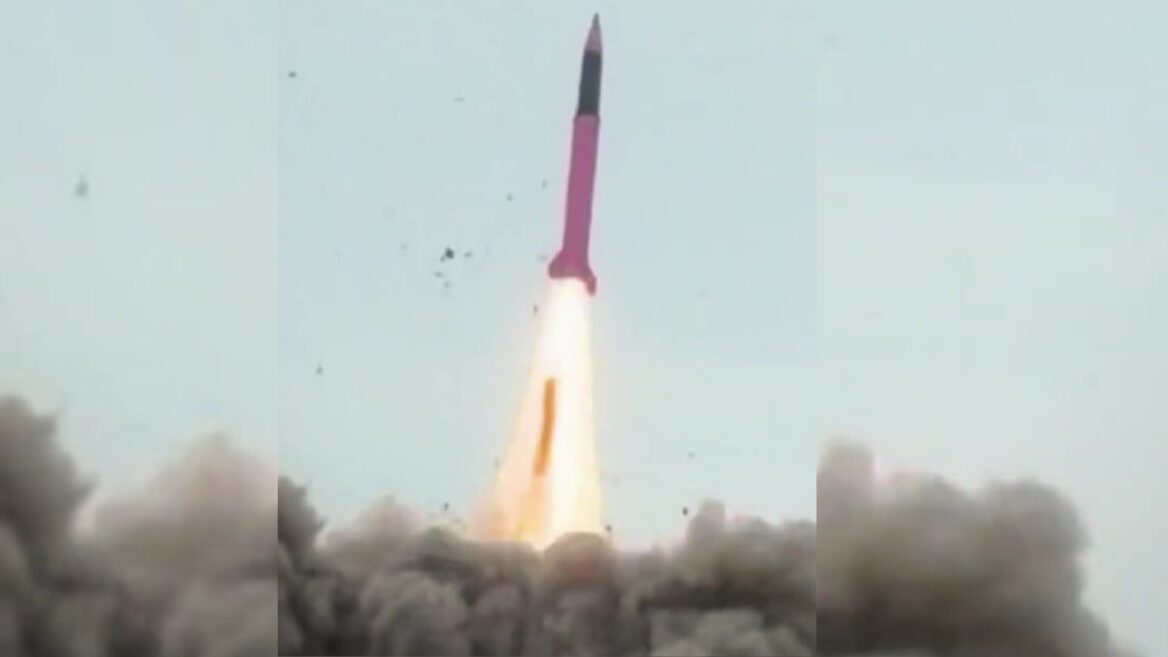
Ukraine expects to receive a prototype of the European anti-ballistic defense system, codenamed Freyja, in the first half of next year.
This was announced by Deputy Secretary of the National Security and Defense Council of Ukraine, David Aloyan, who oversees the Freyja project, Reuters reports .
According to him, an international steering committee will soon meet for the first time, tasked with assessing the costs of research and development work.
“Since we are working under very tight deadlines, we have an ambitious goal: to get an MVP (minimum viable product) in the first half of next year,” Aloyan noted. “This is a prototype that will already be able to demonstrate the first practical results.”
Ukraine is ready to provide a launcher and interceptor missile for the Freyja project, which, as Zelensky noted this month, remains only “a matter of testing.” The president expressed hope that the system will be operational within a year.
Kyiv is counting on allies to provide the necessary technologies, including modern radars, sensors, and expertise in missile guidance systems and control electronics. Defense companies that have already joined the project include Eurosam (manufacturer of the SAMP-T interceptor system), as well as Leonardo, Thales, and Saab.
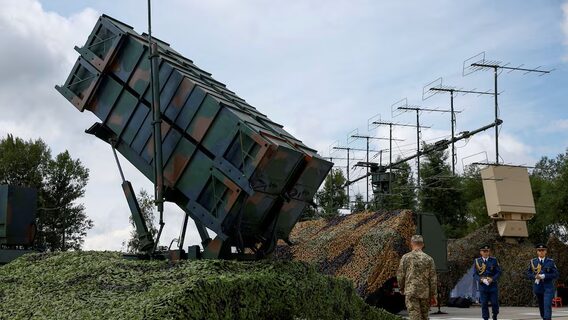
Freyja is an attempt to create a cheaper alternative to the Patriot systems, which many European countries also rely on. Other air defense systems, such as the Franco-Italian SAMP/T and the German IRIS-T, have not yet proven their ability to shoot down ballistic missiles.
Zelensky compared the Freyja coalition to a Lego set, which combines elements from leading defense companies.
Manufacturers were tasked with developing a system concept with interchangeable components, Aloyan explained.
“The general logic of this system is that it is an open architecture,” he noted. “So if Denmark says, ‘I want the Freyja system with the Danish Weibel radar,’ that’s great. If Sweden says it wants a system from Saab, that’s no problem either.”
Creating a special structure, possibly a fund, to accumulate all contributions and ensure stable financing of the project is one of the ideas currently being considered, Aloyan noted.
He also hopes that the direct involvement of business in the project, along with governments, will help reduce bureaucratic red tape: "The coalition should be practical, not political."