Google has filed a patent application for an AI TV channel that generates a show based on the viewer and makes them the main character
Google has described the concept of a “My Channel” feature for TV apps, where artificial intelligence doesn’t just recommend existing movies or TV shows, but instead creates new video content based on the user’s tastes. In an expanded version, the system can even make the viewer the main character of the story, using their photos and voice.
Google has described the concept of a “My Channel” feature for TV apps, where artificial intelligence doesn’t just recommend existing movies or TV shows, but instead creates new video content based on the user’s tastes. In an expanded version, the system can even make the viewer the main character of the story, using their photos and voice.
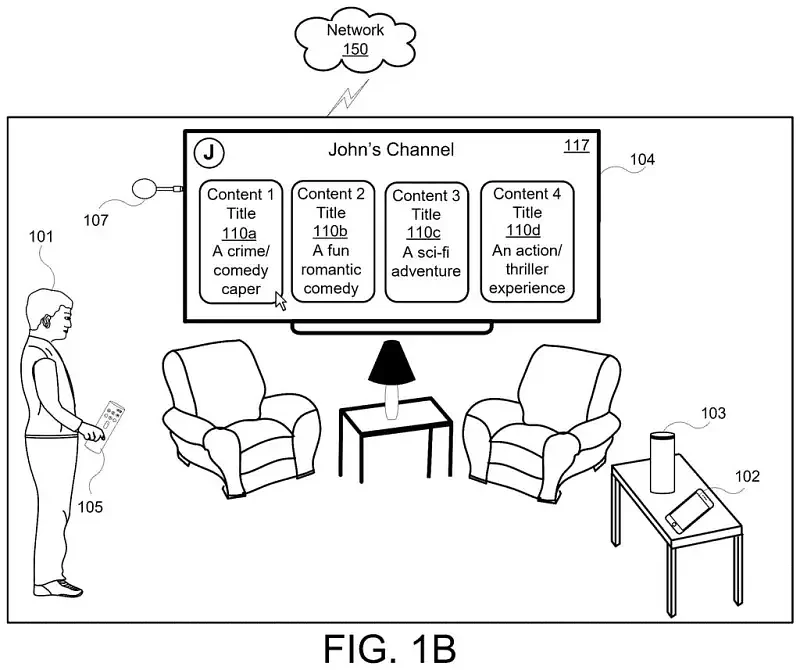
As the company's patent application states , traditional recommendation algorithms do not take into account the variability of audience preferences, when a person watches a crime thriller one evening and a children's movie the next. Instead, the proposed system forms a separate selection with the user's name, where each generated video has its own title and a short description, such as "crime comedy adventure." In addition to creating plots, the technology involves generating a digital avatar based on the user's photo and copying their voice to voice the main character's lines.
The server part of the system collects three types of information: viewer preferences (viewed genres and titles), context from the device (IP address, language settings or GPS geolocation) and demographic data, in particular age group. Based on these parameters, a text instruction is formed for a large language model, which creates video or audio, stores it in a special storage of personalized content and broadcasts it to the screen. The document notes that users will be able to control what data about them is collected.
“The system generates a prompt on the server for a large language model based on user preference data, contextual information, and demographic data,” says the description of the key algorithm in the patent application.
Content generation can be triggered either at the viewer’s request or automatically on a timer: weekly, monthly or annually without any human intervention. Prompts are created using templates or using a second language model that pulls up current news, social media trends and sports scores, for example for a cricket fan during a major tournament. The system also mixes the user’s favorite genres, selects different content for smartphones and smart TVs depending on the device data, and a special module embeds advertising directly into the video before viewing.
However, the existence of a patent application does not indicate that Google plans to bring such a service to the market. Moreover, a patent examiner has already issued a final rejection of this application, although the company still has the right to change its wording or file an appeal.