Хочете будувати кар’єру в Data Science та AI? Vodafone Big Data Lab відкриває новий набір —>
Наталя ХандусенкоAI Eng
8 September 2026, 18:31
2026-09-08
Google speeds up Chrome updates to two weeks due to AI challenges
Google has officially switched its Chrome browser from a four-week to a two-week update release cycle. The transition began with the release of Chrome version 153 for desktop and mobile operating systems (iOS and Android).
Google has officially switched its Chrome browser from a four-week to a two-week update release cycle. The transition began with the release of Chrome version 153 for desktop and mobile operating systems (iOS and Android).
The main reason for the reduction in the update release schedule is the rapid transformation of cyber threats and technologies in the field of artificial intelligence, writes TechCrunch.
Protection against AI threats and mitigation of N-day vulnerabilities
Google explains that the use of automated AI tools to find bugs and the increase in reports from security researchers has significantly increased the volume of required fixes. The shortened cycle allows for much faster delivery of security patches to end users.
The main goal of the new terms is to minimize the “N-day” time gap (the period between when a vulnerability becomes publicly known and when it is closed by the developer). Since attackers themselves also use AI to quickly exploit open code gaps, promptly delivered patches reduce the risks to users.
Competition and rapid adoption of AI features
Another challenge that comes with faster updates is the ability to quickly roll out new features. With AI assistants in software development, the browser market is experiencing a surge in competition. Even after the closure of OpenAI’s ChatGPT Atlas, there are still a number of active players in the market, including Brave, Dia, Opera Neon, Perplexity Comet, and DuckDuckGo.
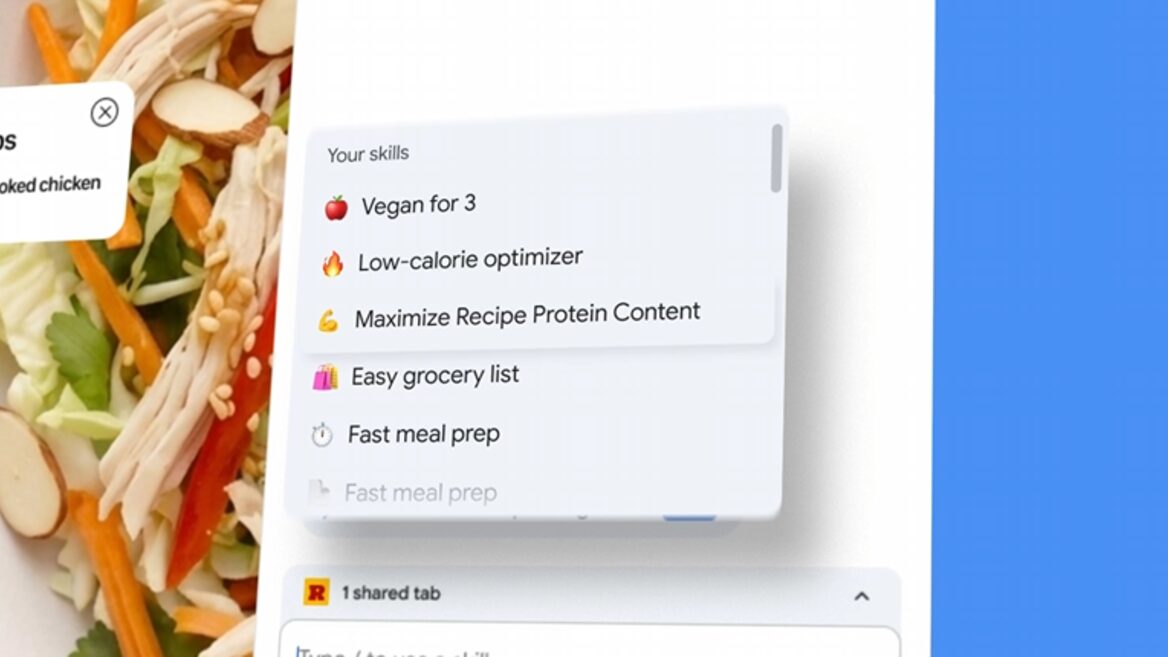
Additionally, Google is actively testing and integrating its own AI features directly into Chrome, which requires constant rapid code iteration and testing.
A new standard for the industry
This isn’t the first time Google has changed its browser release schedule: in 2021, the company shortened its schedule from six weeks to four weeks. With Chrome still the most popular browser in the world, this decision sets a new market trend. Other developers, including Mozilla, Microsoft, and Brave, have already started adapting their schedules to a two-week cycle.
Як нейромережі бачать вільну та незалежну Україну? Тест dev.ua
Нейронні мережі для генерації зображень бачать світ по-своєму, їхню логіку зрозуміти часом зовсім неможливо. Але таки хочеться. На честь Дня Незалежності України редакція dev.ua вирішила провести невеликий експеримент.
Ми задали чотирьом різним нейронним мережам п’ять однакових запитів: «прапор України», «День Незалежності України», «український Крим», «перемога України» та «українці». Отриманими результатами ми ділимося з вами нижче.