Хочете будувати кар’єру в Data Science та AI? Vodafone Big Data Lab відкриває новий набір —>
Валентин ШнайдерAround IT
19 August 2025, 14:23
2025-08-19
Google to launch molten salt nuclear reactors to power data centers in the US
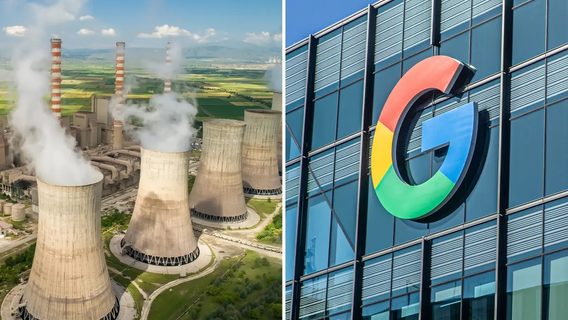
Google is preparing to switch some of its data centers to energy from a new generation of small modular reactors. Starting in 2030, the company’s computing power in Tennessee and Alabama will be powered by two molten salt reactors from startup Kairos Power.
Google is preparing to switch some of its data centers to energy from a new generation of small modular reactors. Starting in 2030, the company’s computing power in Tennessee and Alabama will be powered by two molten salt reactors from startup Kairos Power.
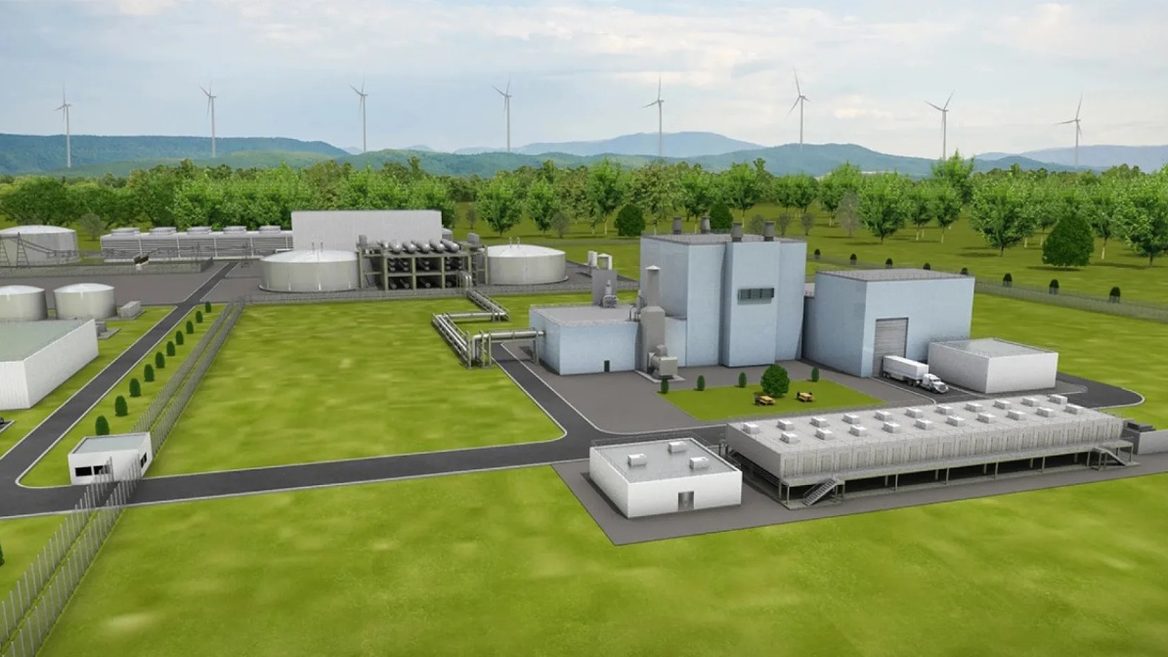
According to The Register, the project is Hermes 2, which Kairos is implementing together with the state-owned energy company Tennessee Valley Authority. The complex will have a capacity of 50 MW and will be one of the first in the United States to receive permission from the nuclear regulator NRC for construction.
Small modular reactor technology is not new, having first been tested in the 1950s at Oak Ridge National Laboratory, but development was shelved due to complexity and cost. Kairos Power is bringing the idea back, using modern TRISO fuel, miniature uranium pellets coated in carbon and ceramic. They are formed into billiard-ball-sized balls and cooled with molten salts, making the system safer and more accident-resistant.
Google is seeking to ensure uninterrupted power supply for its data centers, as the growing demand for artificial intelligence and cloud computing requires stable and «clean» sources of electricity. Competitors are taking similar steps: Amazon is working with X-Energy, Oracle is planning its own SMRs for gigabit data centers, and Microsoft has even financed the restart of the closed Three Mile Island reactor.
However, the economics of small reactors remain questionable. A few years ago, NuScale also received NRC approval to build a complex in Utah, but the project was halted due to skyrocketing costs and municipalities refusing to co-finance. Researchers at the Institute for Energy Economics and Financial Analysis warn that SMRs are still too expensive and slow to implement to become a widespread tool in the transition away from fossil fuels.
Still, the energy shortage for data centers could change that. If the Kairos project in Tennessee is successful, it will be not only a major step for Google, but also a test for the entire market: whether a technology abandoned half a century ago can secure the future of global cloud services.
We also previously wrote about how Meta is investing in US nuclear power — the company signed a long-term clean energy supply agreement that will allow the Clinton Clean Energy Center to continue operating until at least 2047.
Nvidia joins the funding of Bill Gates' nuclear startup. Why investors invested another $650 million in it and how it differs from traditional nuclear power plants