Former Intel CEO believes the "AI bubble" really exists, but it won't burst anytime soon
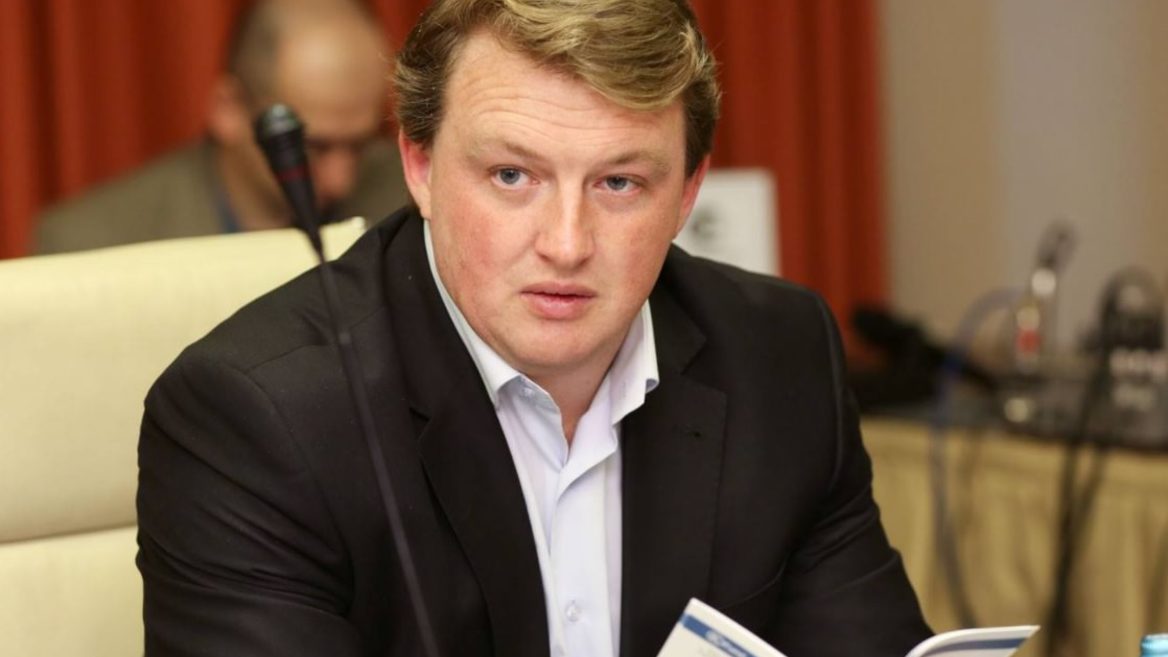
Former Intel CEO Pat Gelsinger said that the artificial intelligence boom is overstated, but will last for several more years.


Former Intel CEO Pat Gelsinger said that the artificial intelligence boom is overstated, but will last for several more years.
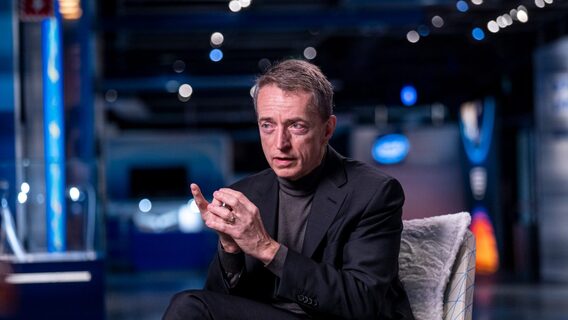
Former Intel CEO Pat Gelsinger said that the artificial intelligence boom is overstated, but will last for several more years.
«We’re excited, we’re accelerating, we’re investing heavily in the system. But I don’t see this being over for a few years. I really think there’s a shift in our industry towards AI that Jensen [Huang, Nvidia CEO] has talked about, and I agree with that, but enterprises haven’t really started to see the real benefits of it yet», Gelsinger said.
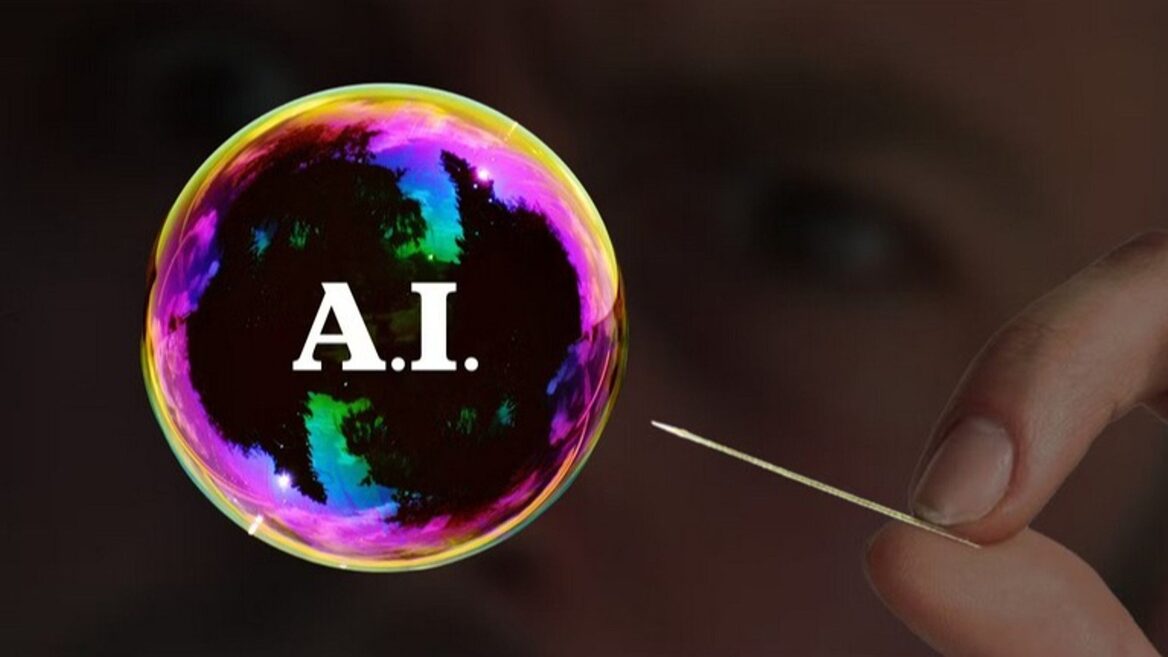
PC Gamer notes that many industry representatives are already expressing fears that artificial intelligence could become an economic bubble similar to the one that caused the dot-com crash in 2000 or the global financial crisis of 2008.
In particular, at the end of the summer, OpenAI CEO Sam Altman stated that artificial intelligence is one of the most important developments in a «very long time», which has created excessive hype around the AI market.
Former head of UBS’s commodities strategy team and market analyst Julien Garran believes the AI bubble is «17 times bigger» than the one that led to the dot-com crash.
However, Gelsinger does not believe that companies involved in artificial intelligence will experience anything similar in the near future.
«In my opinion, there are a number of technologies on the horizon, some of which we are promoting, for example, our Snowcap, which promises 100 times better energy efficiency… I really think that in that sense, nothing is going to change this path for several years», said the former head of Intel.
Recall that in December, Pat Gelsinger resigned after more than 40 years at Intel and also left the board of directors. At that time, Intel was going through a deep crisis that led to the dismissal of tens of thousands of employees, a significant drop in shares and talk of selling the company to competitors.