Олександр КузьменкоAI Eng
14 September 2026, 15:19
2026-09-14
China explained what they consider the main threat from artificial intelligence
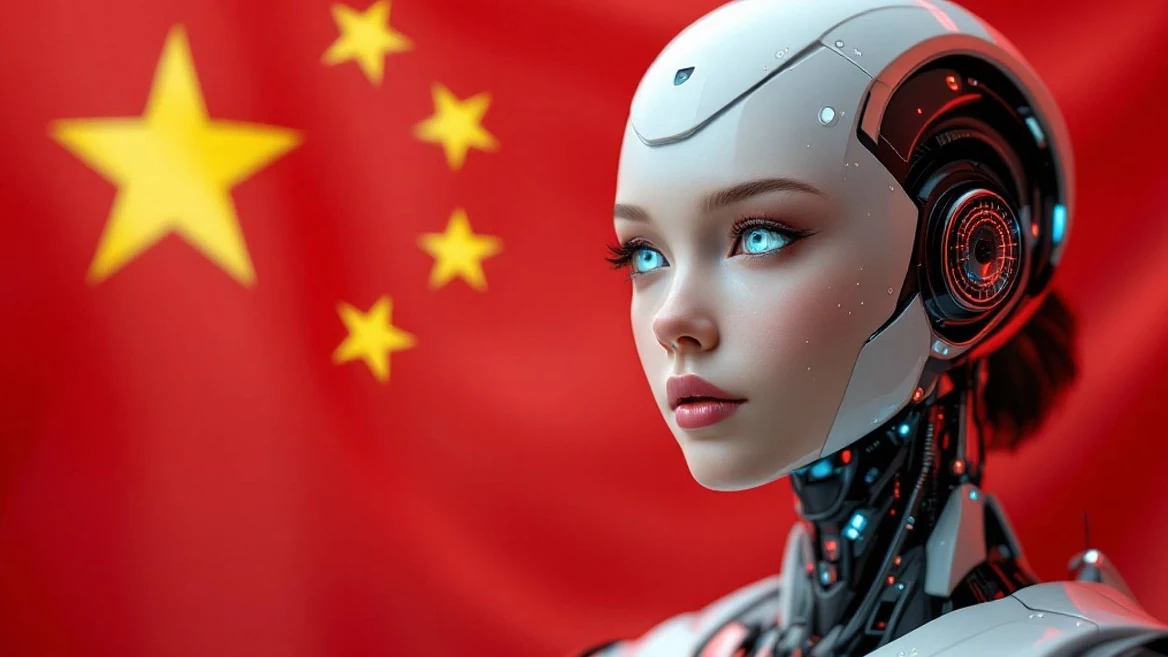
China's Minister of State Security Chen Yixin has outlined six key risks that artificial intelligence poses to Beijing. The biggest concern for Chinese intelligence agencies is the potential threat to the country's political stability and ideological security through the automated spread of fake news.
China's Minister of State Security Chen Yixin has outlined six key risks that artificial intelligence poses to Beijing. The biggest concern for Chinese intelligence agencies is the potential threat to the country's political stability and ideological security through the automated spread of fake news.
This was reported by Business Insider with reference to an article by Yixin, which he wrote in his article for China Cyberspace magazine.
According to the head of the department, foreign forces and attackers are increasingly using generative models to wage cognitive wars and discredit the authorities.
“Various hostile forces and malicious individuals are abusing generative artificial intelligence technologies — such as deepfake audio and video materials, generated images and texts, and online armies — to spread political rumors at minimal cost and in large volumes,” Chen Yixin emphasized.
In addition to "regime security," the intelligence chief identified five other critical areas of risk:
cyberattacks on critical infrastructure using high-performance models like Mythos;
the risk of large-scale leaks of national, commercial and personal data;
technological imbalance and fragmentation of supply chains due to monopolies;
violation of public order and social governance;
fundamental changes in warfare through the use of AI for high-precision targeting.
To neutralize these threats, Beijing plans to accelerate the development of a system of state control and strengthen the regulation of developments. The position of the security forces was also supported by the leader of the People's Republic of China, Xi Jinping. During his speech at the BRICS summit in New Delhi, he called on the world community to create a global AI governance system based on consensus and the principles of human orientation.
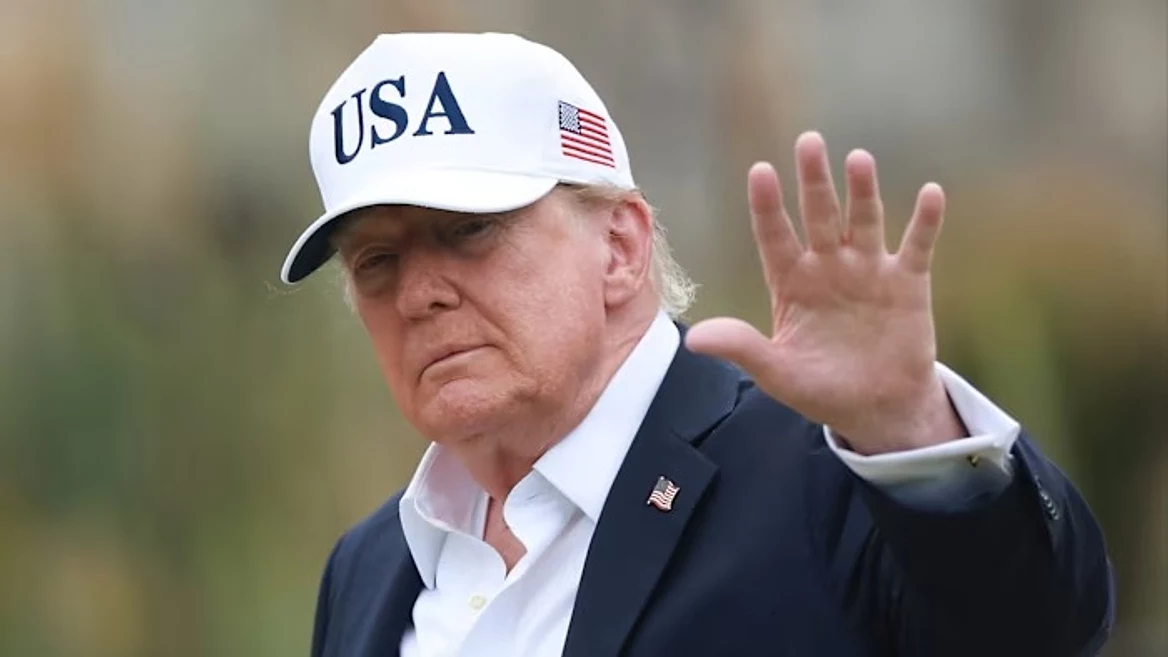
Tech executives including Anthropic's Dario Amodei, OpenAI's Sam Altman and SpaceX's Elon Musk had earlier called on the US government to tighten regulation of the industry amid growing concerns that AI poses an existential threat to humanity. However, President Donald Trump ignored their calls .
Trump ignored the call of Amodei, Altman and Musk. In his opinion, the risk of losing the AI race to China is more real than the risks to human security from AI
Як нейромережі бачать вільну та незалежну Україну? Тест dev.ua
Нейронні мережі для генерації зображень бачать світ по-своєму, їхню логіку зрозуміти часом зовсім неможливо. Але таки хочеться. На честь Дня Незалежності України редакція dev.ua вирішила провести невеликий експеримент.
Ми задали чотирьом різним нейронним мережам п’ять однакових запитів: «прапор України», «День Незалежності України», «український Крим», «перемога України» та «українці». Отриманими результатами ми ділимося з вами нижче.
У TikTok тепер можна генерувати фон за допомогою нейромережі. Ми протестували її та ділимося результатами
У TikTok з’явилася нова функція «Розумний фон». З її допомогою як фон для тіктоків можна підставляти згенеровані нейромережею зображення. Редакція dev.ua протестувала цю технологію і ділиться своїми враженнями.