Хочете будувати кар’єру в Data Science та AI? Vodafone Big Data Lab відкриває новий набір —>
Оксана СтепураRobots
2 October 2026, 14:38
2026-10-02
NASA is planning to send humanoid robots to the Moon. What will they do there?
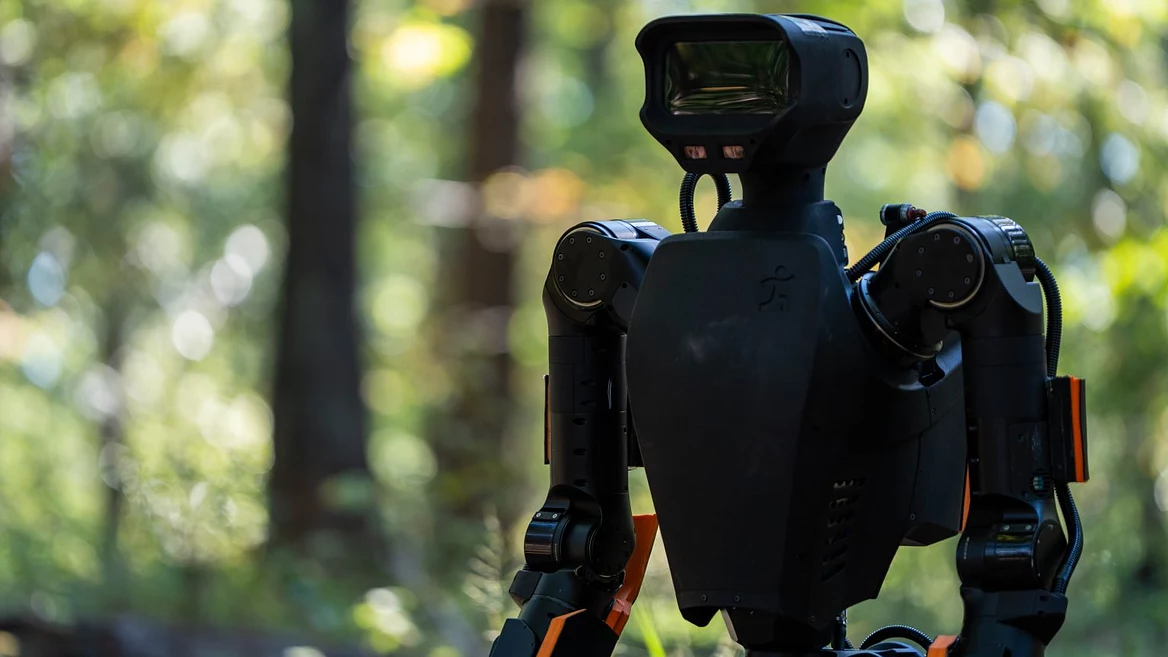
NASA is working on a new generation of humanoid robots that could assist astronauts on future missions to the Moon and potentially Mars, carrying equipment, maintaining bases, and performing dangerous repair work.
NASA is working on a new generation of humanoid robots that could assist astronauts on future missions to the Moon and potentially Mars, carrying equipment, maintaining bases, and performing dangerous repair work.
This is reported by Popular Science, citing the Dexterous Robotics Team at NASA's Johnson Space Center.
The agency claims that no one is going to leave astronauts without work. On the contrary, robots should take over some of the routine and risks so that people can devote more time to research.
“If we can send more functional robots, we will reduce risks and help people do what humans do best more efficiently,” explains Dexterous Robotics Team Leader Sean Azimi.
Future rovers will have to work in conditions much more challenging than on Earth: in low gravity, among abrasive lunar dust and under the influence of strong solar radiation. NASA is considering both complex and fairly mundane tasks for them - from dangerous equipment repairs to cargo transportation.
For example, the company PickNik recently tested software that allows a robotic arm to independently find a spacecraft hatch, open it, and then transfer a load.
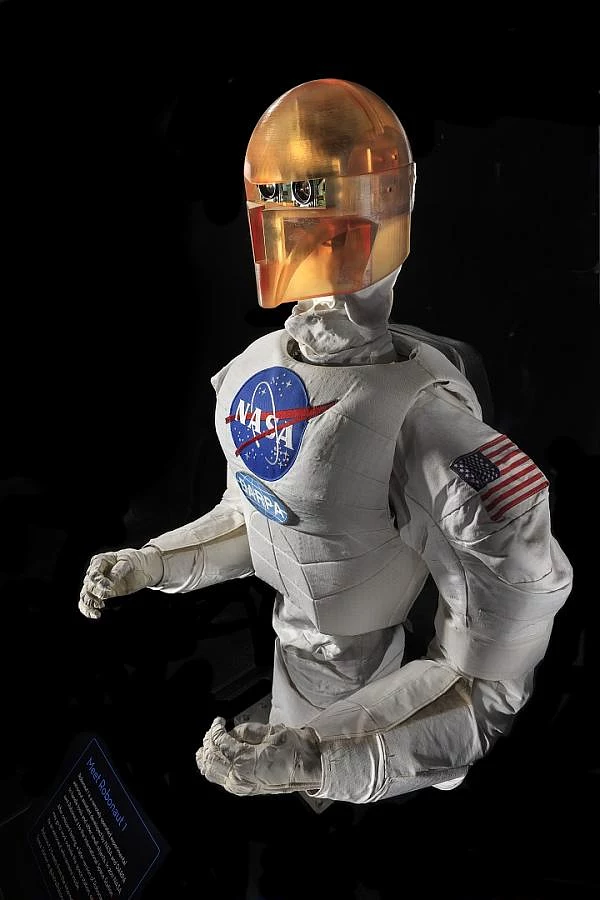
The agency has been testing humanoid machines for more than a decade. NASA began work on its first humanoid robot, Robonaut, in 1997, in conjunction with DARPA. It was an experimental robot with a head, torso, and dexterous hands that could use astronaut tools and perform repairs. It couldn't walk on its own, so Robonaut could be mounted on a wheeled platform for movement and controlled remotely.
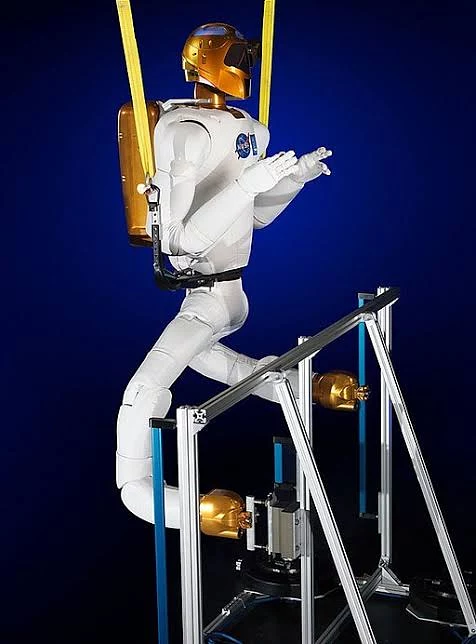
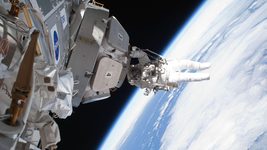
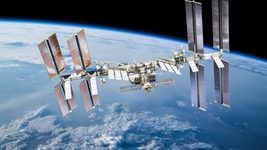
The next generation, Robonaut 2, was developed by NASA in conjunction with General Motors. It was smaller, more agile, and more than four times faster than its predecessor, with significantly more sensors. In 2011, it was sent to the International Space Station, where it became the first humanoid robot in space.
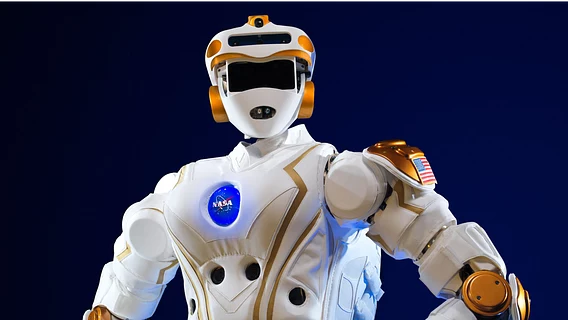
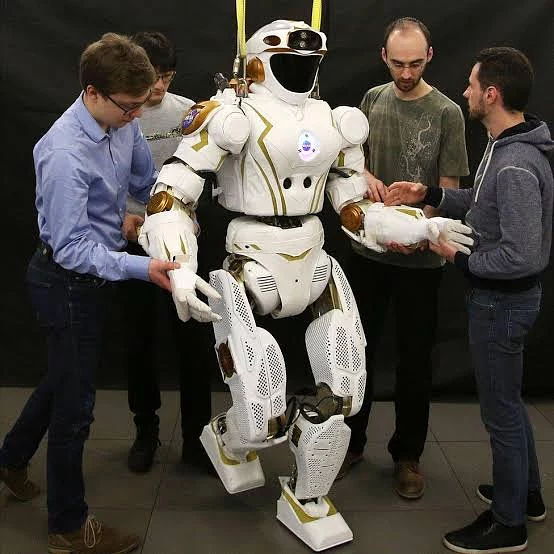
And in 2013, the agency completed the creation of a prototype of Valkyrie, a bipedal humanoid robot. NASA assembled the almost 1.9-meter-tall robot weighing about 136 kg in 15 months for the DARPA Robotics Challenge. The competition was supposed to help create robots capable of working in damaged and dangerous places for people - its appearance was prompted, in particular, by the accident at the Japanese nuclear power plant "Fukushima-1".
After the competition, NASA continued to improve Valkyrie, giving the robot stronger and more agile arms, an updated ankle design, and more accurate sensors.
Now at the Johnson Space Center, iMETRO is a special test site where NASA and private companies can test robots and technologies that will one day operate on the Moon. There are mock-ups of living modules and lunar rovers, as well as a rocky area that simulates the surface of the moon. Developers can check how the robot will cope with the everyday tasks of a future lunar base and find weak points before launch.
Previously, dev.ua wrote that Elon Musk planned to send the humanoid Tesla Optimus robot to Mars aboard Starship.
Божество, зореліт, уламок планети: що людство знає про Місяць і як збирається туди повертатися
16 листопада 2022 року NASA успішно запустила місію Artemis 1 до Місяця. Ракета Space Launch System (SLS) і корабель Orion стартували о 8:47 за Києвом із космічного центру Кеннеді на мисі Канаверал. Задача корабля Orion — покрутитися навколо супутника Землі шість днів і повернутися на Землю, після чого можна запускати людей. Якщо все пройде успішно, уже за кілька років ми побачимо грандіозний камбек і реюньон людства на супутник Землі. Що ми знаємо про Місяць, чому так довго його ігнорували та як будемо повертатися — в оновленому завдяки успішному старту (нарешті!) суперексплейнері від dev.ua від 29 серпня 2022 року.