The EU fined marketplace Temu 200 million euros for selling unsafe goods
The European Union has imposed a €200 million fine on Chinese e-commerce giant Temu for failing to stop the sale of unsafe children’s toys and faulty chargers.


The European Union has imposed a €200 million fine on Chinese e-commerce giant Temu for failing to stop the sale of unsafe children’s toys and faulty chargers.
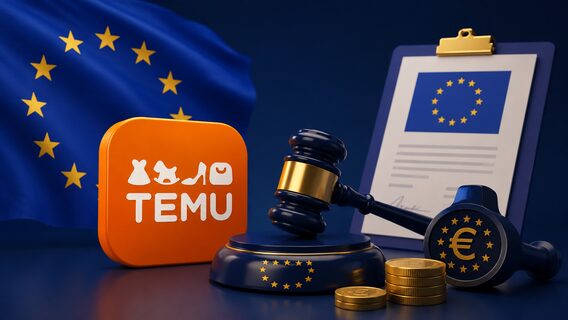
The European Union has imposed a €200 million fine on Chinese e-commerce giant Temu for failing to stop the sale of unsafe children’s toys and faulty chargers.
As Bloomberg reports, citing a statement from the European Commission, the investigation was conducted using the «mystery shopping» method. Inspectors regularly found products on the platform that posed a threat to the health and safety of consumers.
The regulator noted that a significant portion of the children’s products tested contained elevated levels of hazardous chemicals and small parts that could cause choking. Most chargers failed basic electrical safety tests. In addition, the European Commission accused Temu’s recommendation algorithms of facilitating the spread of illegal products.
«Temu is clearly underestimating the risks of its services,» European Commissioner for Technology Henna Virkkunen commented on the decision during a briefing.
Temu disagreed with the regulator’s decision and called the fine disproportionate. The company noted that the EU’s claims are based on the first Digital Services Act (DSA) compliance assessment conducted back in 2024 and do not reflect the current state of the platform’s security. The company assures that it has already implemented additional measures to protect buyers and strengthen control.
The marketplace now has two months to provide the European Commission with a detailed plan to address the violations. Failure to comply with the requirements will result in regular additional financial sanctions. Temu also retains the right to challenge the current fine in court.
The European Commission previously raided Temu’s European headquarters in Dublin to investigate whether the platform was receiving hidden state support from China that gave it a price advantage over retailers in the EU.