Оксана СтепураHot News
14 October 2026, 15:54
2026-10-14
Hackers threaten victims' families and send suspicious packages. 41% of cyberattack victims surveyed have faced intimidation
Hackers who previously demanded money to unlock computers or keep stolen data private are now increasingly threatening their victims. They are finding people's addresses, intimidating their families, sending suspicious packages and calling the police to their homes.
Hackers who previously demanded money to unlock computers or keep stolen data private are now increasingly threatening their victims. They are finding people's addresses, intimidating their families, sending suspicious packages and calling the police to their homes.
This is reported by The Register, citing research by Semperis, an American cybersecurity company.
According to a new study by Semperis, 41% of surveyed employees of companies that have survived ransomware attacks have faced psychological or physical threats.
Tim Beasley, who was then working on Microsoft's cyber incident response team, told how he once received an unusual package. Inside were nesting dolls and other souvenirs associated with Russia. But the sender left no note. At the time, Beasley was investigating an attack by the Midnight Blizzard group, which is associated with Russian foreign intelligence. He suspected that the package could have been from their hackers.
Beasley says such methods are not uncommon, and he says he has seen cases in other investigations where cybercriminals have sent company executives photos of their children's schools.
Semperis decided to find out how widespread these methods have become. It surveyed 1,200 organizations from different countries that had been affected by ransomware. It turned out that 23% of those surveyed had faced psychological intimidation, and 17% had faced threats of physical violence. 53% of respondents also reported that the attackers actually carried out what they threatened.
For example, one in four organizations surveyed had experienced employees’ personal information being leaked, including their home addresses and phone numbers. Another 23% reported swatting, which is when attackers call emergency services and fake reports of shootings or bombs, for example, so that armed police will be sent to the victim’s home.
Sometimes threats even force people to move or change jobs. According to Semperis, 14% of organizations surveyed reported that their employees had to change jobs, offices, or move after attacks.
And paying the ransom doesn’t guarantee that the problems will end. According to Semperis, 69% of organizations surveyed experienced more than one ransomware attack in the past year. And 31% had to pay the attackers multiple times.
Beasley advises companies not to fall for blackmail. If hackers escalate to threats against employees or their families, he recommends contacting law enforcement as soon as possible.
"Don't pay anything. Never pay them," the expert emphasizes.
Previously, dev.ua wrote that the Russian-speaking hacker group CyberXero, using Claude Code, stole more than 628,000 personal records of Ukrainians.
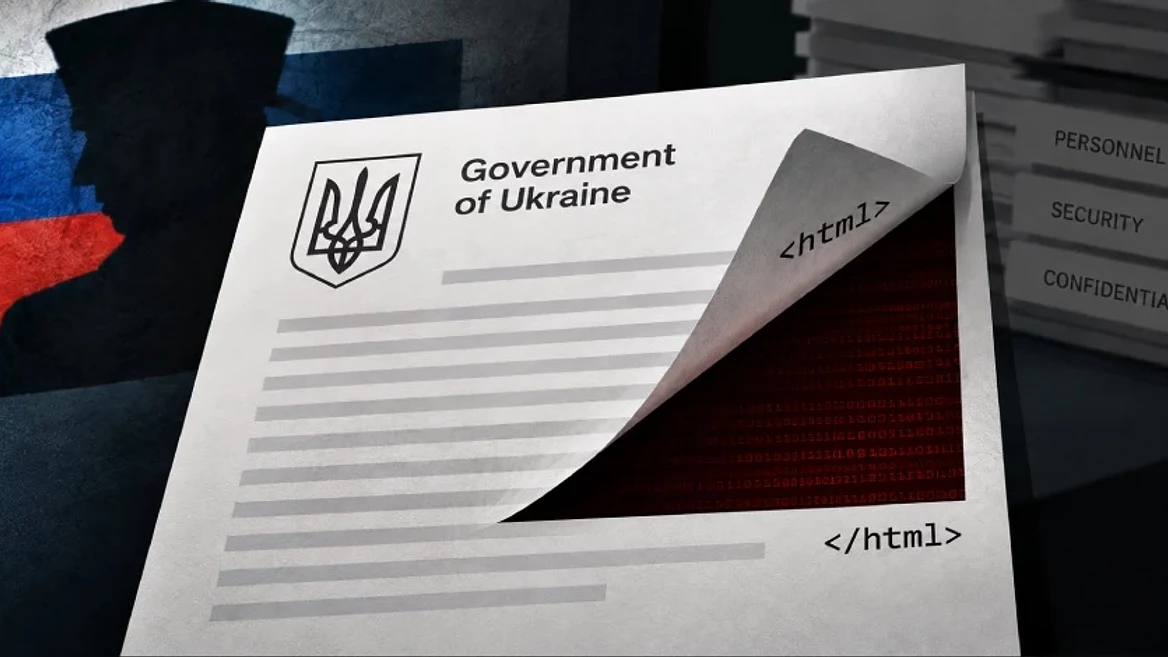
Russian hackers are attacking Ukrainians with a new Trojan, ASHVEIN, that hides commands in HTML. Targets range from government structures to civilian logistics
«Росіяни завжди хочуть когось трахнути». Микита Книш розповів FT, як українські хакери видавали себе за дівчат, зламували камери відеоспостереження та россайти заради перемоги
Видання Financial Times опублікувало статтю про роботу українських хакерів у війні проти рф, засновану на розмові з українським білим хакером Микитою Книшем. Він, як і сотні інших хакерів, допомагає боротися із російськими загарбниками в кіберпросторі. Наводимо адаптований переклад матеріалу.
Британець створив інструмент для злому Starlink з деталями на $25. Чи виведе він термінал з ладу? WIRED
Британський дослідник безпеки Леннерт Воутерс створив modchip — спеціальний інструмент злому, який можна приєднати до антени Starlink. Готові деталі для нього коштують $25.
10 серпня на конференції з безпеки Black Hat у Лас-Вегасі дослідник розкрив подробиці збоїв у терміналах Starlink та розповів про те, як серія апаратних недоліків дозволяє зловмисникам отримати доступ до системи і запустити власний код на пристроях. Про це написав WIRED.