Hacker group n0n, linked to Russia, posted data of thousands of JPMorgan Chase, Visa and Mastercard customers on the darknet
The hackers gave 48 hours to pay the ransom, and then posted the data of thousands of customers of the American bank JPMorgan Chase, as well as information about Visa and Mastercard cardholders, on the darknet. The attack is being carried out by the n0n group, which, according to cybersecurity company SOCRadar, is likely of Russian origin. The attackers gained access to customer data by attacking third-party contractors of these three companies. However, the financial giants assure that card numbers and other payment information were not affected.
The hackers gave 48 hours to pay the ransom, and then posted the data of thousands of customers of the American bank JPMorgan Chase, as well as information about Visa and Mastercard cardholders, on the darknet. The attack is being carried out by the n0n group, which, according to cybersecurity company SOCRadar, is likely of Russian origin. The attackers gained access to customer data by attacking third-party contractors of these three companies. However, the financial giants assure that card numbers and other payment information were not affected.
The files, which journalists examined, contained more than 16,000 email addresses of JPMorgan Chase customers and 124 addresses of bank employees. Some of the records also contained phone numbers and zip codes. JPMorgan Chase explained that the attackers likely gained access to marketing data stored by third-party service providers.
In the case of Visa, the files released by the hackers mostly concern customers from the Asia-Pacific region. They include thousands of email addresses, phone numbers, and information about the company's marketing campaigns.
And Mastercard reported a limited number of email addresses of cardholders who participated in one of the company's loyalty programs were leaked. The leaked materials also include marketing data from Mastercard customers in North America, the Middle East and Africa, as well as a small number of company employee addresses.
Responsibility for the leak was claimed by the hacker group n0n, which, according to cybersecurity company SOCRadar, is of Russian origin.
In February, dev.ua reported that the National Bank of Ukraine reported a cyberattack on its contractor, which could have leaked personal data of customers of its online store. The attackers could potentially have obtained names, phone numbers, email and postal addresses of customers. However, payment card details, according to the NBU, were not affected.
«Росіяни завжди хочуть когось трахнути». Микита Книш розповів FT, як українські хакери видавали себе за дівчат, зламували камери відеоспостереження та россайти заради перемоги
Видання Financial Times опублікувало статтю про роботу українських хакерів у війні проти рф, засновану на розмові з українським білим хакером Микитою Книшем. Він, як і сотні інших хакерів, допомагає боротися із російськими загарбниками в кіберпросторі. Наводимо адаптований переклад матеріалу.
Британець створив інструмент для злому Starlink з деталями на $25. Чи виведе він термінал з ладу? WIRED
Британський дослідник безпеки Леннерт Воутерс створив modchip — спеціальний інструмент злому, який можна приєднати до антени Starlink. Готові деталі для нього коштують $25.
10 серпня на конференції з безпеки Black Hat у Лас-Вегасі дослідник розкрив подробиці збоїв у терміналах Starlink та розповів про те, як серія апаратних недоліків дозволяє зловмисникам отримати доступ до системи і запустити власний код на пристроях. Про це написав WIRED.
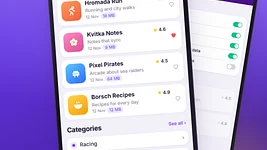
Ukrainians created an alternative to Google Play because they lacked search filters, including for filtering out apps from certain countries and the permissions they request. What's in "Yarmarka"?
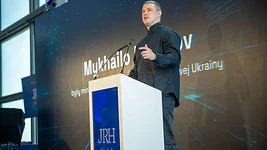
Fedorova and Yelizarova's company has agreed to cooperate with the Polish JRH ASI. Together they plan to work on robots for the front, AI, and counter-drone systems