Хочете будувати кар’єру в Data Science та AI? Vodafone Big Data Lab відкриває новий набір —>
Вікторія ГорбікThat's Life
16 December 2024, 09:51
2024-12-16
Ex-OpenAI employee found dead in his apartment after speaking out against tech giants. How Elon reacted and what the company responded
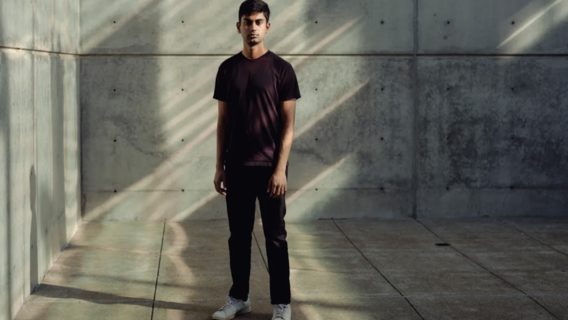
Suchir Balaji, 26, spent four years as a researcher at OpenAI, the last 1.5 years working on ChatGPT. After leaving the company, he spoke out against the methods they used to train AI chatbots. On November 26, he was found dead in his San Francisco apartment, and while a medical examiner ruled Balaji’s death a suicide, Elon Musk seems to have doubts about that.
Suchir Balaji, 26, spent four years as a researcher at OpenAI, the last 1.5 years working on ChatGPT. After leaving the company, he spoke out against the methods they used to train AI chatbots. On November 26, he was found dead in his San Francisco apartment, and while a medical examiner ruled Balaji’s death a suicide, Elon Musk seems to have doubts about that.
On his X platform, Musk reshared a post about the news of Suchir Balaji’s death with the caption «hmmm.»
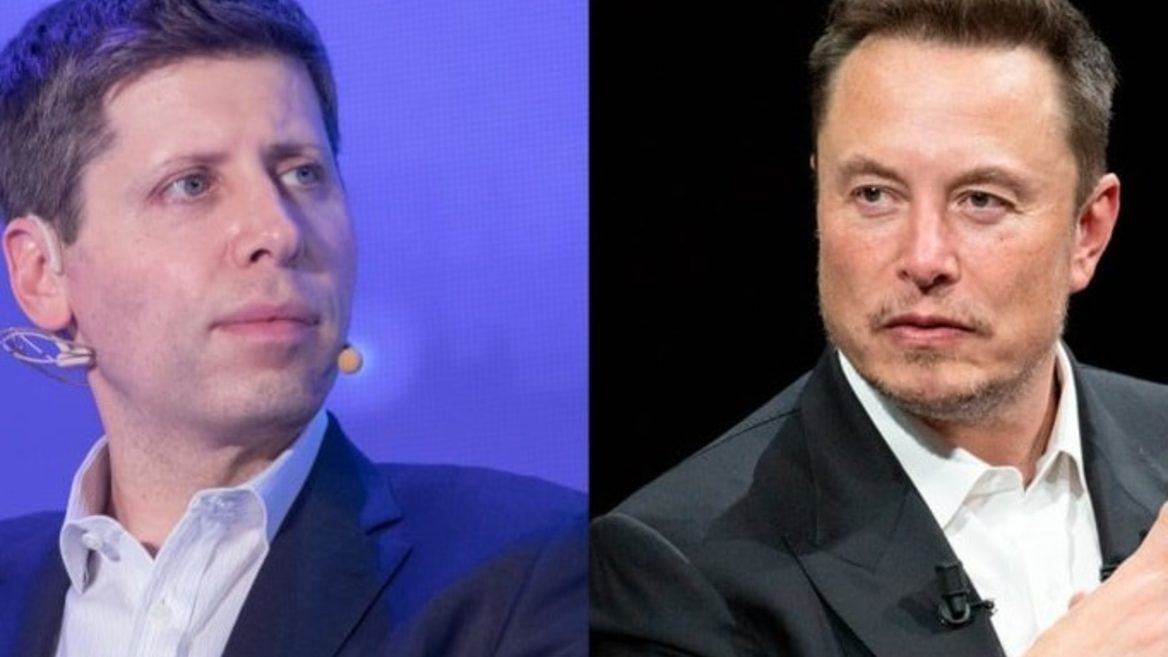
Elon Musk has previouslystated that he does not trust OpenAI. «I created OpenAI as a non-profit, open source program. I named the company. It used to be open source, but now it’s extremely closed source and extremely profitable. I don’t trust Sam Altman and I don’t think we want the most powerful AI in the world to be run by someone who is not trustworthy,» he said in an interview with former Fox News host Tucker Carlson.
Suchira Balaji helped collect and organize the vast amounts of internet data used to train a chatbot for startup ChatGPT. In late 2022, his accusations that OpenAI violated U.S. copyright law while developing the chatbot sparked a flood of lawsuits against the company from authors, programmers, and journalists. All of them claim that the company illegally stole their copyrighted material to train its program and increase its value by more than $150 billion, the Mercury News reports .
In an interview with the New York Times on October 23, Suchira Balaji expressed concerns about OpenAI’s copyright violations. «If you believe what I believe, you should just leave the company,» he told the publication, adding that «this is not a sustainable model for the internet ecosystem as a whole.»
The information he possessed was expected to play a key role in legal proceedings against the San Francisco-based company.
X
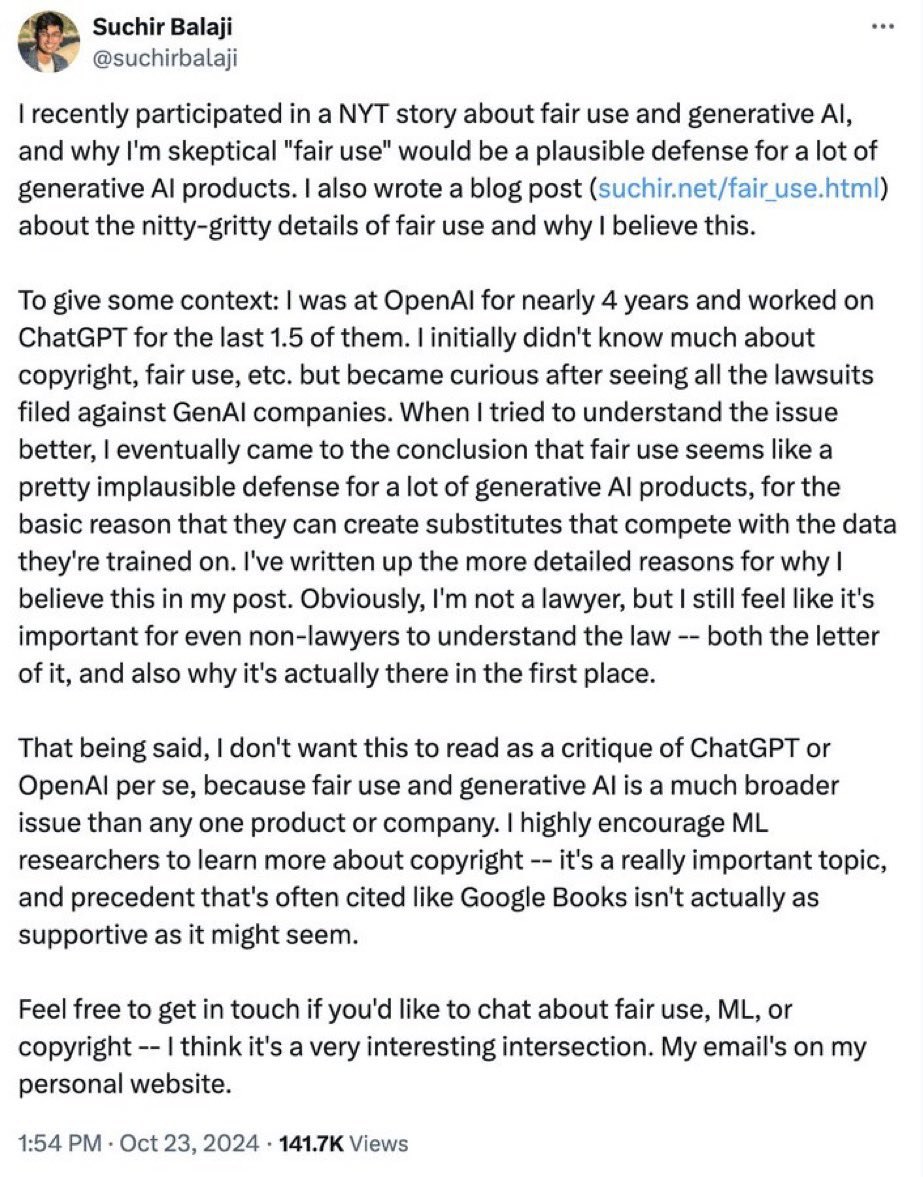
That same day, he posted on X, explaining that he didn’t know much about copyright at first, but after seeing lawsuits against GenAI companies, he became interested in learning more. «As I tried to better understand the issue, I eventually came to the conclusion that fair use seems like a pretty unlikely defense for many generative AI products, for the main reason that they can create substitutes that compete with the data they train on. I wrote more about the reasons why I believe this in my post. Obviously, I’m not a lawyer, but I still think it’s important for even non-lawyers to understand the law — both the letter of the law and why it exists,» Suchira Balaji explained .
However, he noted that he didn’t want this to be taken as a criticism of ChatGPT or OpenAI per se. «Because fair use and generative AI is a much broader issue than any single product or company,» he added.
Suchira Balaji also encouraged machine learning researchers to learn more about copyright. «This is a really important topic, and the precedent that is often cited, like Google Books, is actually not as favorable as it might seem,» he said.
«We are devastated to learn of this incredibly sad news today, and our hearts go out to Suchir’s loved ones during this difficult time,» an OpenAI spokesperson said in an email to TechCrunch.
In response to Balaji’s accusations, OpenAI told the BBC that its data collection methods «are based on fair use and relevant international copyright principles that are fair to creators and support innovation.»