Хочете будувати кар’єру в Data Science та AI? Vodafone Big Data Lab відкриває новий набір —>
Наталя ХандусенкоWar
5 March 2026, 10:41
2026-03-05
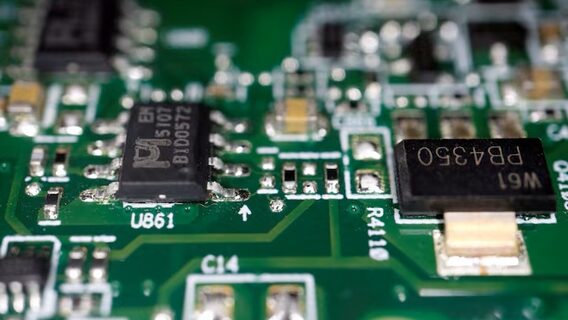
The crisis in Iran could disrupt supplies of key materials for chip production, warns South Korea, which supplies about two-thirds of the global memory chip market.
A US-Israeli war with Iran could disrupt supplies of key materials for semiconductor production, South Korea said. The country imports helium and bromine from the Middle East. The crisis could also affect data centers.
A US-Israeli war with Iran could disrupt supplies of key materials for semiconductor production, South Korea said. The country imports helium and bromine from the Middle East. The crisis could also affect data centers.
South Korea's semiconductor industry, which supplies about two-thirds of the global memory chip market, is also concerned that a prolonged conflict in Iran will lead to rising energy prices and costs, politician Kim Yong-bae said after meeting with executives from companies such as Samsung Electronics and representatives of trade groups.
"Officials have suggested the possibility of halting semiconductor production if some of these key materials cannot be obtained from the Middle East," he said at a briefing for journalists, citing helium as one example, Reuters writes .
Helium is essential for thermal regulation in semiconductor manufacturing, and there are currently no viable alternatives. It is produced in only a few countries in the world, with Qatar being one of the leading players in the industry.
The warnings come as chipmakers grapple with a severe supply shortage due to soaring demand from AI data center operators, which has led to supply cuts for many other industries, including smartphones, laptops and cars.
South Korean chipmaker SK Hynix said in a statement that it has “long secured diversified supply chains and sufficient reserves” of helium, “so the chances of this affecting the company’s operations are almost non-existent.”
Samsung declined to comment.
Taiwan's TSMC said in a statement that it does not currently expect any significant impact and will continue to closely monitor the situation.
South Korea's Ministry of Industry said the country is heavily dependent on the Middle East for 14 other items in chip supply chains, including bromine and chip inspection equipment, but many of these can be produced domestically or sourced from other markets.
Representatives of South Korea's semiconductor industry also warned that in the long term, the crisis could hinder tech giants' plans to build AI data centers in the Middle East, which would negatively affect demand for chips.
Digital Sharia. How Iran blocks the Internet, why Starlink doesn't solve the problem, and why Iranians themselves don't want to use their own social networks. An Iranian human rights activist answers