Олександр КузьменкоAI Eng
8 July 2026, 08:00
2026-07-08
China may restrict access to its best AI models to foreigners
Chinese authorities have held closed-door meetings with the country’s largest technology companies to discuss possible restrictions on foreign access to their cutting-edge artificial intelligence models, even those that have yet to reach the market.
Chinese authorities have held closed-door meetings with the country’s largest technology companies to discuss possible restrictions on foreign access to their cutting-edge artificial intelligence models, even those that have yet to reach the market.
This was reported by the Reuters news agency, citing three insiders.
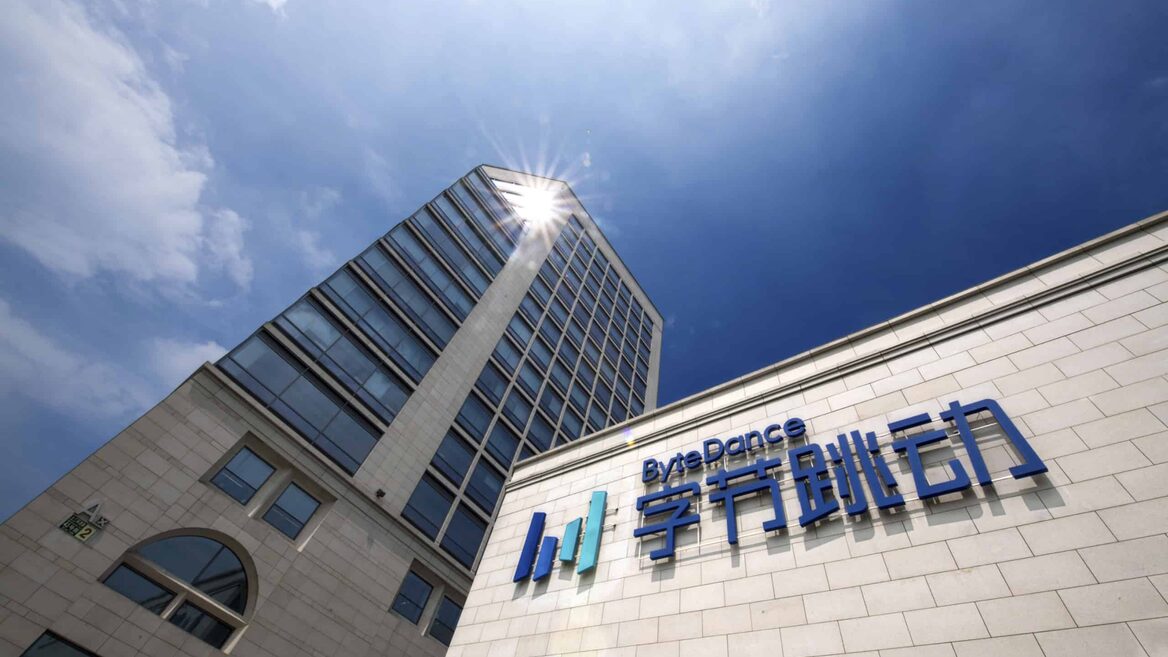
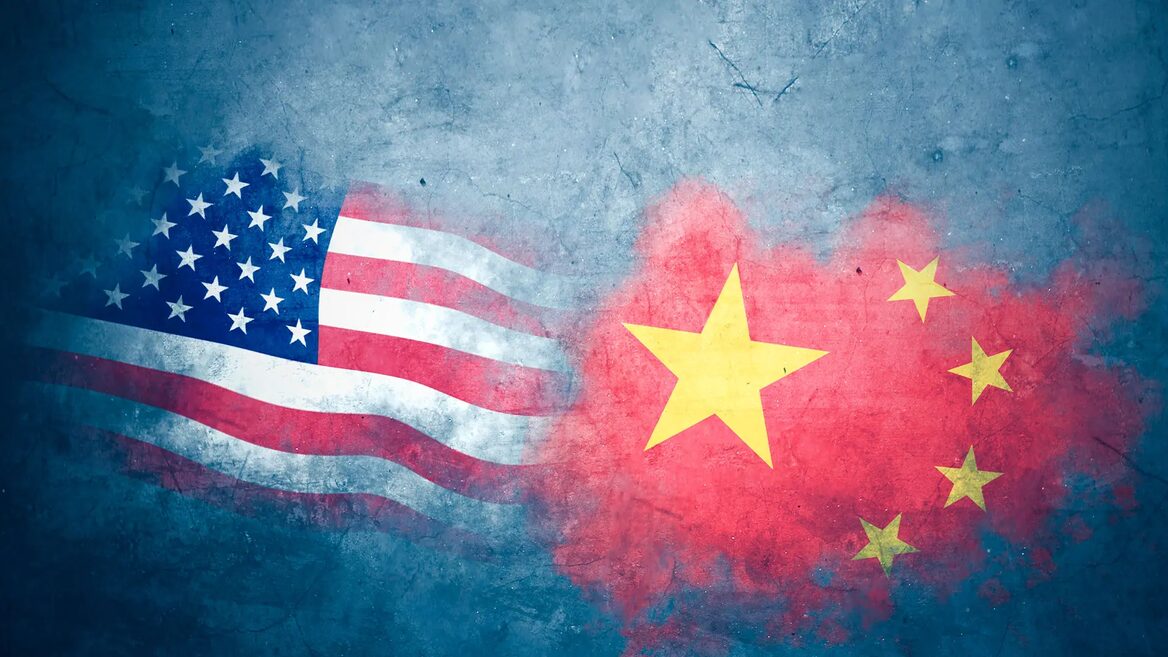
They report that the talks, organized by China’s Ministry of Commerce, have involved giants such as Alibaba and ByteDance, as well as promising startup Z.ai. The measures are a continuation of Beijing’s strategy to keep cutting-edge technologies at home. China is increasingly viewing AI as a key national asset that requires strict government regulation — similar to the approach taken by the United States.
One of the key issues at the meetings was strengthening accountability for technology leaks. Officials discussed the possibility of making the theft or unauthorized transfer of patented AI developments a crime under China’s national security law. They also considered limiting the number of investors who can fund Chinese startups in this field.
It is expected that future restrictions may be implemented on a multi-level principle. Legal experts suggest dividing the systems into three categories:
basic open source tools will be subject to simple registration;
advanced models will undergo mandatory safety checks;
The best developments will be completely banned from being released abroad.
The rapid expansion of Chinese technology began after last year’s successful release of the R1 model from DeepSeek. Chinese developments are quickly conquering the global market due to their low cost. In particular, the GLM-5.2 model from Z.ai has caused serious concern in Silicon Valley, as it is close to American counterparts in terms of capabilities, but costs much less. Any export restrictions from Beijing could lead to increased costs for many foreign companies that rely on cheap Chinese software as an alternative to American systems.
China is also driven by defensive motives. The authorities are concerned that the United States could use new cybersecurity tools, including Anthropic’s Mythos model to detect systemic vulnerabilities, against the country’s interests. Against this background, Beijing is calling for the creation of its own defensive counterparts.
China has already taken several steps this year to protect its AI market. In April, a state planning agency blocked Meta Corp.’s $2 billion acquisition of Chinese startup Manus. In early June, the country also passed new rules that tighten oversight of deals involving foreign investors, data, and technologies that affect national security. Several local startups that have moved operations overseas are currently under investigation for violating export control laws.
Як нейромережі бачать вільну та незалежну Україну? Тест dev.ua
Нейронні мережі для генерації зображень бачать світ по-своєму, їхню логіку зрозуміти часом зовсім неможливо. Але таки хочеться. На честь Дня Незалежності України редакція dev.ua вирішила провести невеликий експеримент.
Ми задали чотирьом різним нейронним мережам п’ять однакових запитів: «прапор України», «День Незалежності України», «український Крим», «перемога України» та «українці». Отриманими результатами ми ділимося з вами нижче.
У TikTok тепер можна генерувати фон за допомогою нейромережі. Ми протестували її та ділимося результатами
У TikTok з’явилася нова функція «Розумний фон». З її допомогою як фон для тіктоків можна підставляти згенеровані нейромережею зображення. Редакція dev.ua протестувала цю технологію і ділиться своїми враженнями.