Хочете будувати кар’єру в Data Science та AI? Vodafone Big Data Lab відкриває новий набір —>
Наталя ХандусенкоAround IT
18 February 2025, 15:31
2025-02-18
In an Indian village, YouTube has sparked an economic and social revolution: out of 4,000 residents, over 1,000 create video content
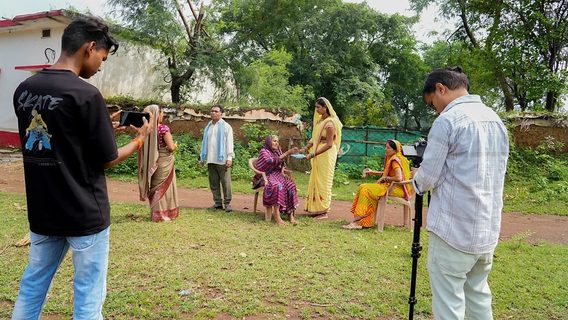
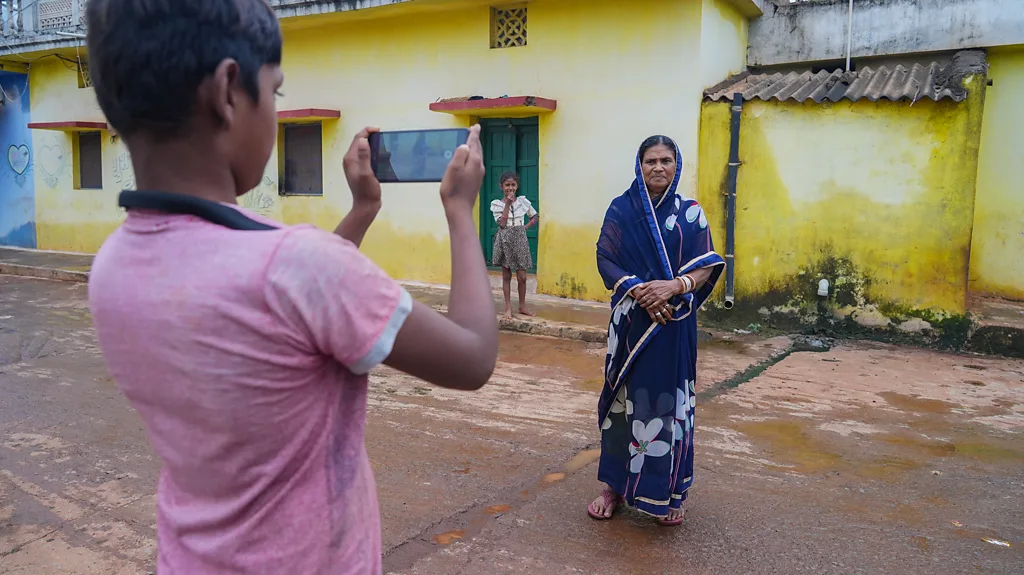
In central India, there is a village called Tulsi, home to about 4,000 people, a quarter of whom are somehow connected to YouTube: some earn money from blogging, while others simply participate in video filming for free for fun. For many villagers, the video service has become a stepping stone for career growth.
Locals say the money YouTube brings has transformed the local economy, and beyond financial gain, the platform has become a tool for equality and social change.
In central India, there is a village called Tulsi, home to about 4,000 people, a quarter of whom are somehow connected to YouTube: some earn money from blogging, while others simply participate in video filming for free for fun. For many villagers, the video service has become a stepping stone for career growth.
Locals say the money YouTube brings has transformed the local economy, and beyond financial gain, the platform has become a tool for equality and social change.
It all started in 2018. Two friends launched a YouTube channel to express their creativity and make their everyday lives more exciting. In a matter of months, the channel gained tens of thousands of subscribers, and since then, their number has grown to over 125,000, with a total of over 260 million views.
"We were earning over 30,000 rupees, or about $346, a month, and could support the team members who helped us," Shukla, one of the friends who later quit their jobs to devote more time to the channel, told the BBC.
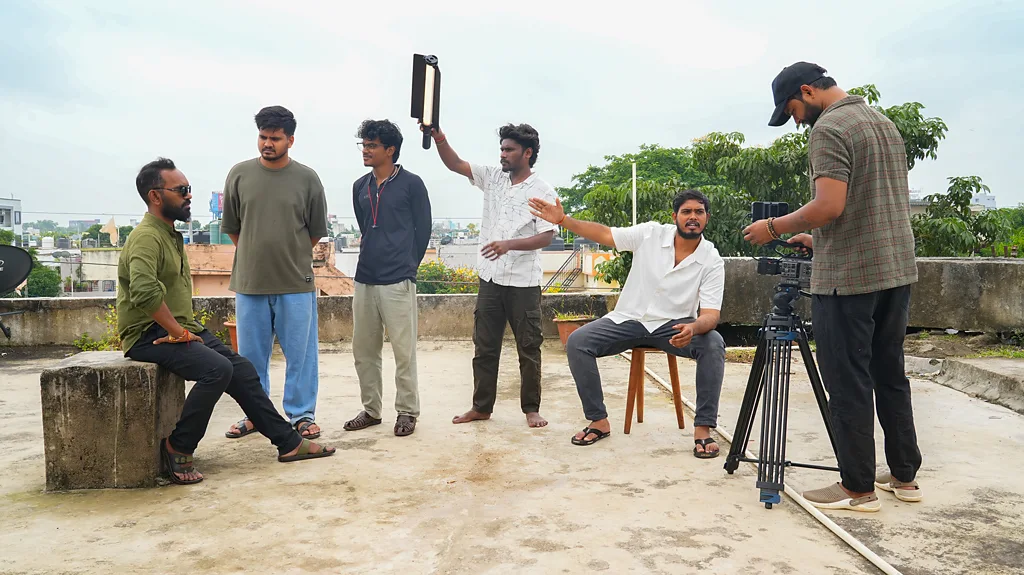
Their success soon inspired other villagers in Tulsi. Shukla says his team paid other villagers to participate in the filming and even trained others in editing and scriptwriting. Some villagers started their own channels, while others were content to volunteer.
Impressed by the success of rural content creators, the state government established a modern studio in the village in 2023. This investment of budget funds later paid off: hundreds of young people received a new source of income, and some of them even received job offers outside the village.
For example, 27-year-old Pinky Sahu was able to fulfill her dream of becoming an actress and landed her first film role. Aditya Bhagel landed a role as a scriptwriter and assistant director in a big-budget film. 38-year-old YouTuber Manoj Yadav also started acting professionally.
Source: BBC
YouTube has also become an impetus for the development of equality between men and women in the village.
“At first, our mothers and sisters just helped. Now they run their own channels. We couldn’t have imagined this before,” says a 28-year-old local photographer, who, of course, also learned the art of YouTube.
Some are even starting other businesses from YouTube, using their subscribers and content consumers as an initial customer base, for example, women sell hair oil and homemade spices online.
Source: BBC
But for some, money is of no importance. “I enjoy participating in videos for my village channels, and I do it without expecting anything in return,” says Ramkali Varma, 56, a housewife turned actress who plays loving mothers and has become one of the most sought-after talents in the village.
Соціальні мережі та штучний інтелект формують глобальні наративи про війну в Україні. Як їх використовують українці та росіяни — аналітика від Foreign Policy
Напередодні вторгнення росії в Україну соціальні медіа слугували полем битви для держав і недержавних діячів, щоби поширювати конкуруючі наративи про війну та зображати поточний конфлікт у своїх власних інтересах. Видання Foreign Policy опублікувало великий аналітичний матеріал, як українці та росіяни використовують соціальні мережі, щоб давати інформацію про війну. Наводимо його адаптований переклад.