Хочете будувати кар’єру в Data Science та AI? Vodafone Big Data Lab відкриває новий набір —>
Валентин ШнайдерWeapon
18 April 2026, 15:47
2026-04-18
The Ministry of Defense is accelerating the supply of NRCs and plans to purchase 25,000 ground drones for the Armed Forces of Ukraine in the first half of this year
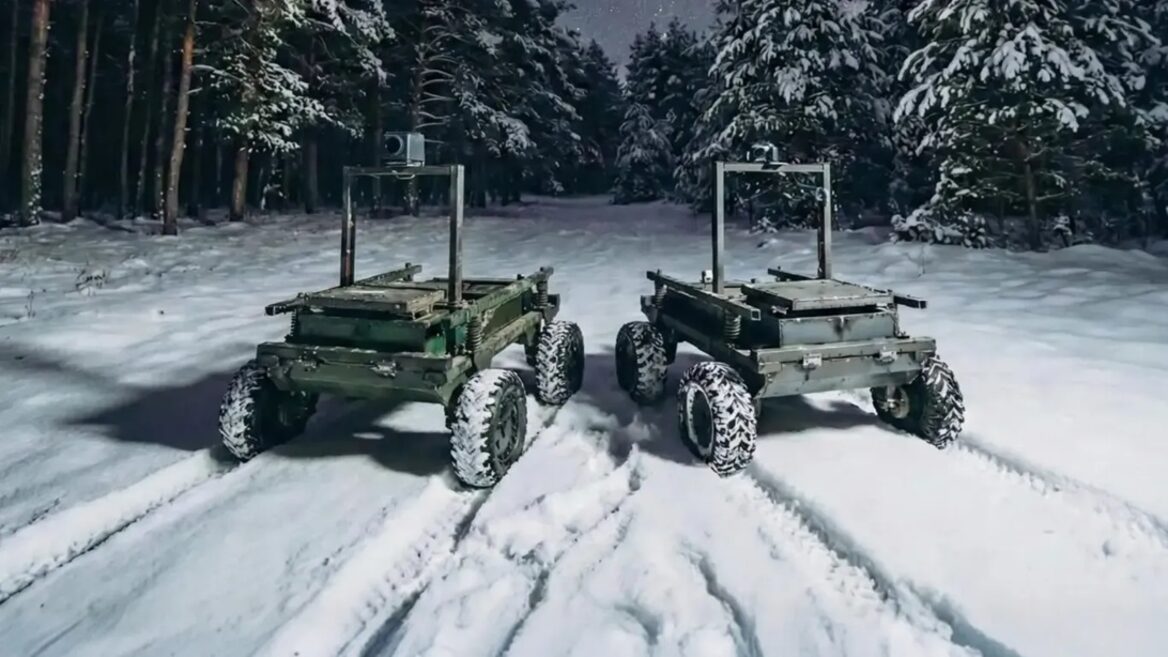
The Ministry of Defense is changing the rules for purchasing ground robotic systems to eliminate delays and deliver them to the troops faster. In parallel, the department plans to purchase 25,000 NRCs in the first half of 2026.
The Ministry of Defense is changing the rules for purchasing ground robotic systems to eliminate delays and deliver them to the troops faster. In parallel, the department plans to purchase 25,000 NRCs in the first half of 2026.
According to the Ministry of Defense, 19 contracts with manufacturers worth UAH 11 billion have already been concluded. The planned volume of purchases in 2026 is twice as much as in the entire year 2025.
The ministry directly says that the main problem now is not only production, but also the speed of procedures. Therefore, some restrictions have already been lifted. In particular, they allowed contracts to be concluded even in the event of a change in the cost of products, which previously blocked deals due to tax nuances with VAT.
They also synchronized funding and increased procurement volumes. The Defense Procurement Agency was tasked with speeding up the signing of contracts so that manufacturers could launch mass production more quickly.
A separate block is the creation of a competence center of the NRC together with the General Staff. It is planned to make it a single point for manufacturers where they can obtain permits, undergo approvals, and quickly bring equipment to real use on the front.
Now, NRCs are already actively used in the troops. In March alone, more than 9,000 missions were performed with their participation. Mostly these are logistics and evacuation, but the Ministry of Defense has set a goal to transfer up to 100% of front-line logistics to robotic solutions.
Another change is the shift to longer-term planning. Manufacturers are promised contracts in advance so they can forecast production and scale without pauses between orders.
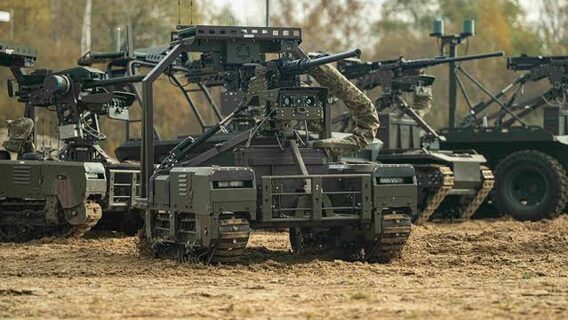
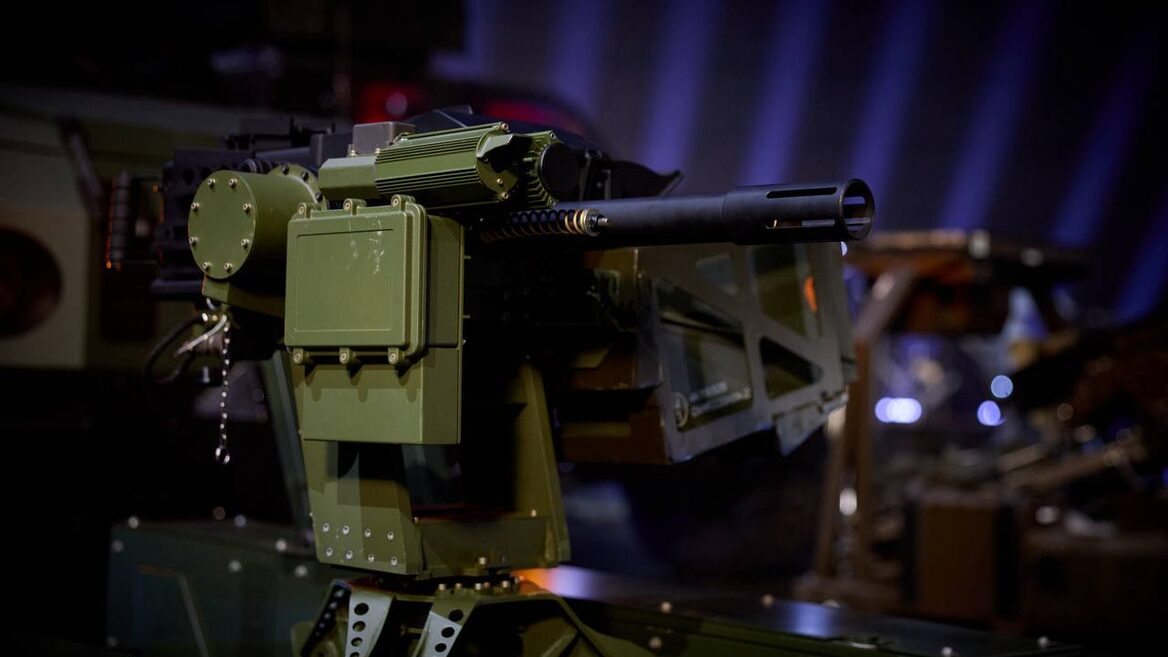
According to the Ministry of Defense, more than 280 companies are already operating in the ground robots segment, which have created more than 550 solutions. 175 grants have been issued as part of innovation support. Related areas are developing in parallel: engineering complexes for mining and demining, strike platforms, ground-based kamikaze drones and automated turrets. Among the problems currently hindering scaling, the department names production capacity, standardization, operator training, component localization and integration of NRCs into combat processes.