Хочете будувати кар’єру в Data Science та AI? Vodafone Big Data Lab відкриває новий набір —>
Олег ОнопрієнкоWar
24 March 2026, 16:01
2026-03-24
Months late, but we are already saving trains: Serhiy "Flash" revealed details of Ukrzaliznytsia's protection from Russian drones
Both civilian specialists and military personnel from the Main Directorate of Radio Electronic and Cyber Warfare of the General Staff are currently involved in solving the problem.
Both civilian specialists and military personnel from the Main Directorate of Radio Electronic and Cyber Warfare of the General Staff are currently involved in solving the problem.
In Ukraine, comprehensive work is underway to protect Ukrzaliznytsia's facilities and rolling stock from enemy drones using electronic warfare (EW) equipment. However, the specifics of protecting trains in front-line zones is an extremely complex technical task that does not guarantee 100% security. This was reported by radio technology specialist and military expert Serhiy "Flash" Beskrestnov.
According to the expert, if the protection of stationary railway facilities mostly rests only on funding, then the situation with trains is much more complicated. Both civilian specialists and military personnel from the Main Directorate of Radio Electronic and Cyber Warfare of the General Staff are currently involved in solving the problem. The process is personally controlled by the Chairman of the Board of JSC "Ukrzaliznytsia" Oleksandr Pertsovsky.
Serhiy Flesh openly admitted that Ukraine was “many months” late in implementing measures to counter UAV attacks on railway infrastructure. At the same time, he emphasized that the current comprehensive solutions are already yielding results. Thanks to them, a significant number of trains have been saved, although the details of these operations are not disclosed for security reasons.
"On the bad side: unfortunately, I have to admit that we were many months late in taking measures to counter the UAV attacks on Ukrzaliznytsia." On the good side: you can’t even imagine how many trains we are already saving thanks to the current comprehensive solutions,” wrote “Flash.”
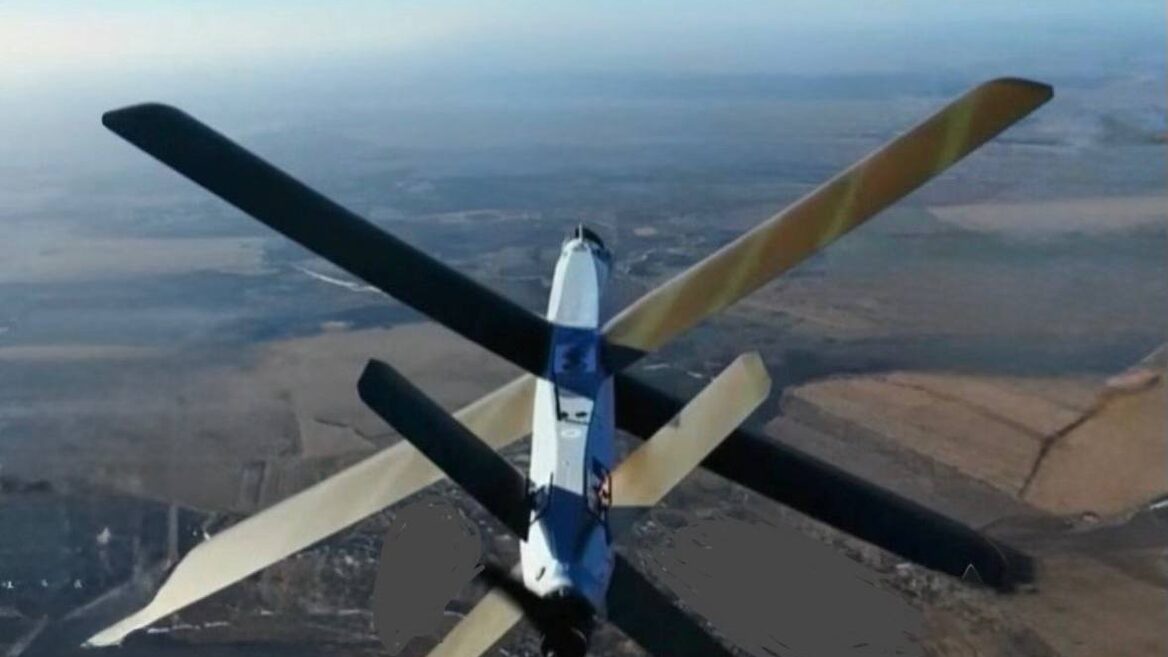
The main challenge remains the protection of trains and commuter trains running along the front at a depth of 30–60 kilometers. They are priority targets for Russian FPV drones, loitering munitions, and other winged UAVs.
Currently, the team of specialists continues to look for combined solutions, combining electronic warfare, electronic reconnaissance (ERR), and large and small air defense (ADF) assets.
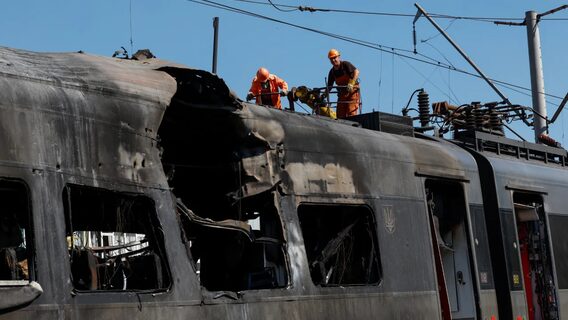
Today it became known that a Russian drone hit an electric train in the Kharkiv region. The impact killed a 61-year-old passenger, and the driver and his assistant suffered an acute stress reaction.