Хочете будувати кар’єру в Data Science та AI? Vodafone Big Data Lab відкриває новий набір —>
Валентин ШнайдерWeapon
13 February 2026, 15:50
2026-02-13
NAUDI showed the components of the Ukrainian air defense system "Shershen" and announced the testing of the complex on five types of missiles
NAUDI reported that the key elements of the domestic anti-aircraft missile system «Shershen» have already been tested, and the complex itself has passed tests with five different types of missiles, including those of Soviet, foreign, and Ukrainian origin.
NAUDI reported that the key elements of the domestic anti-aircraft missile system «Shershen» have already been tested, and the complex itself has passed tests with five different types of missiles, including those of Soviet, foreign, and Ukrainian origin.
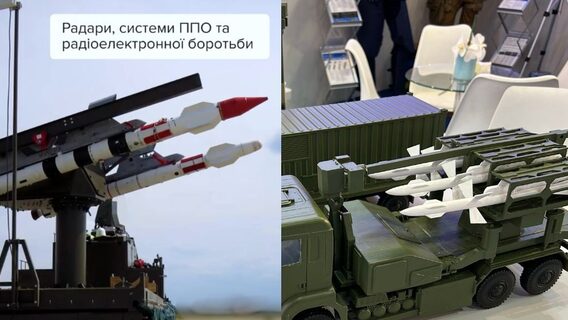
According to «Military», this was announced by the director of the National Association of the Defense Industry of Ukraine, Serhiy Goncharov, at the World Defense Show 2026. NAUDI also published an official video, which showed some of the elements of the complex, in particular the launcher and radar.
According to Goncharov, «Shershen» is not tied to one radar manufacturer: different radars can be integrated into the complex depending on the customer’s needs. He emphasized that the control system has a flexible architecture and, according to his assessment, costs at least three times cheaper than «global» solutions.
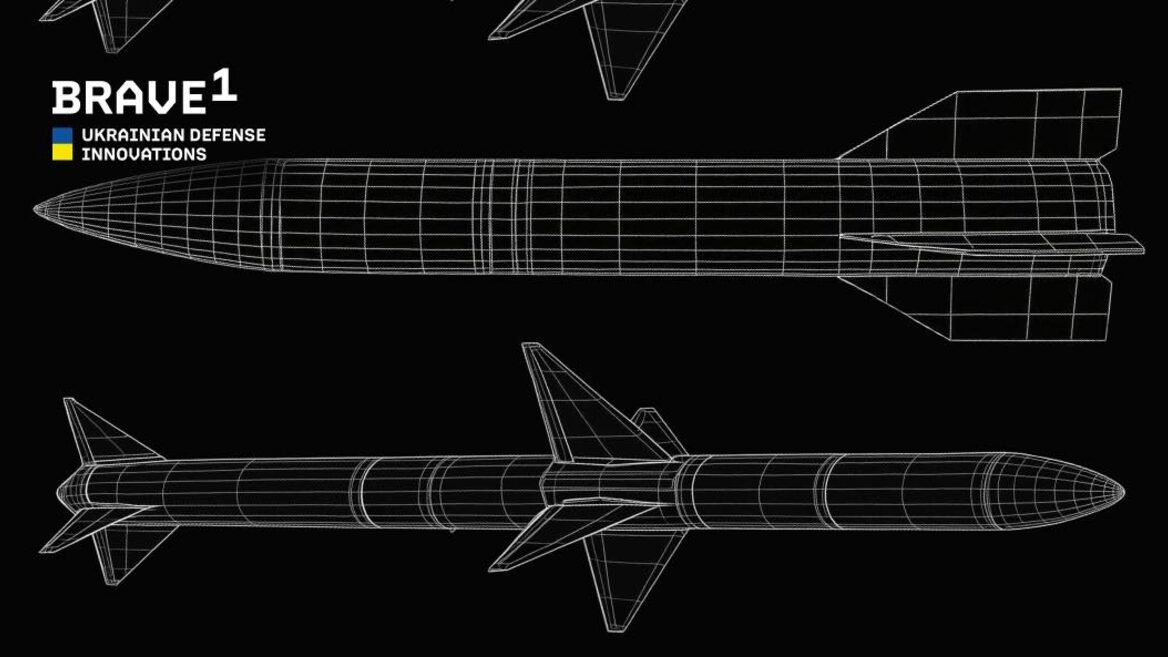
Separately, the material talks about tests with five types of missiles. Goncharov explained this with a practical approach: those types that have already been fired were tested, and if necessary, the complex can be adapted for other missiles. The published images of the launcher show R-27 missiles with an infrared homing system, and the demonstration model showed a configuration for three missiles of this family.
The Hornet is positioned as an air defense project that can be configured with available missiles and components. This approach is important when the supply of ammunition and radars depends on different partners, and interoperability and rapid adaptation become critical for the deployment of new solutions.