Хочете будувати кар’єру в Data Science та AI? Vodafone Big Data Lab відкриває новий набір —>
Валентин ШнайдерAround IT
10 September 2025, 16:02
2025-09-10
Neuralink announced that its brain chips have worked for 2,000 days in 12 people
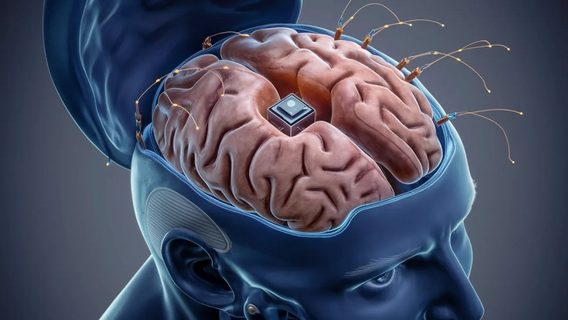
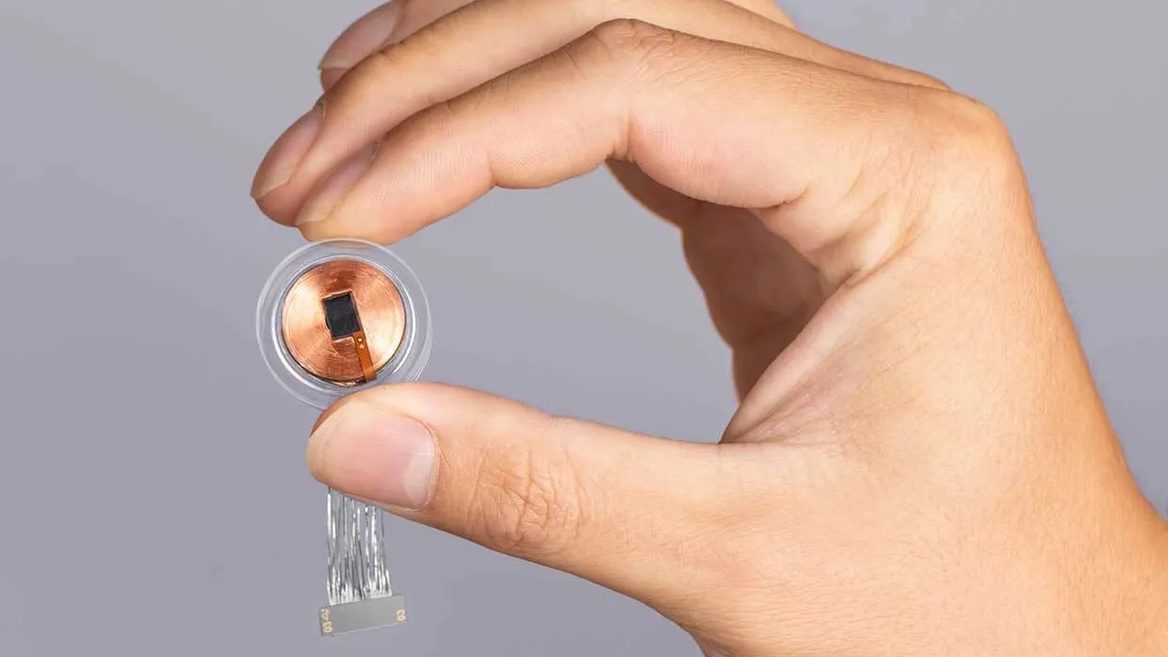
Neuralink said its brain implants are now in use by 12 people and have clocked up more than 2,000 days of combined use, marking the first systematic results from long-term testing of the neurochips that aim to help paralyzed people reconnect with technology.
Neuralink said its brain implants are now in use by 12 people and have clocked up more than 2,000 days of combined use, marking the first systematic results from long-term testing of the neurochips that aim to help paralyzed people reconnect with technology.
AccordingtoMezha Media, citing Neuralink, the devices have been in use for over 15,000 hours. The most famous participant in the research is Noland Arbo, the company’s first patient who was paralyzed after an injury. Thanks to the implant, he was able to play video games and learn foreign languages again.
There are now 12 people around the world with Neuralink implants. Collectively, they’ve had their devices for 2,000 days and accumulated over 15,000 hours of use.
We look forward to continuing to explore the possibilities of neural interfaces with all of our participants! pic.twitter.com/OCuDN40abx
In August and September, Neuralink first expanded beyond the United States, with several chip implantation surgeries performed at the University Health Network in Canada, a clinic that is investigating whether people with paralysis can control computers and other devices with their minds.
Another step is the permission of British regulators to participate in the GB-PRIME program, where patients also test the capabilities of neurointerfaces in everyday life. The company emphasizes that the development is aimed not only at medical cases, but also at the prospect of widespread use in digital interaction.
The FDA approved the first Neuralink trials in 2023. At that time, Elon Musk said that he saw a long-term goal — to make implants affordable at a price of several thousand dollars, so that the technology would go beyond experiments and become part of medical practice.
Neurotechnology is also being actively developed in other countries. In particular, competing startups Paradromics and Synchron are also testing systems for people with paralysis. However, Neuralink has received the most publicity thanks to Musk’s media presence and the rapid expansion of international clinical programs.
Now the main issue for the company is scaling the technology and proving its safety, as even small complications can cast doubt on the commercial prospects.
Previously, dev.ua wrote about how Sam Altman became a co-founder of a new startup called Merge Labs, which is developing a brain-computer interface. He is also raising funds, which are likely coming mainly from OpenAI’s venture capital arm.