Хочете будувати кар’єру в Data Science та AI? Vodafone Big Data Lab відкриває новий набір —>
Олександр КузьменкоWeapon
20 October 2026, 11:47
2026-10-20
Ukrainian Mercury UAV gets new iteration. Flight time increased to 5 hours, range up to 300 km
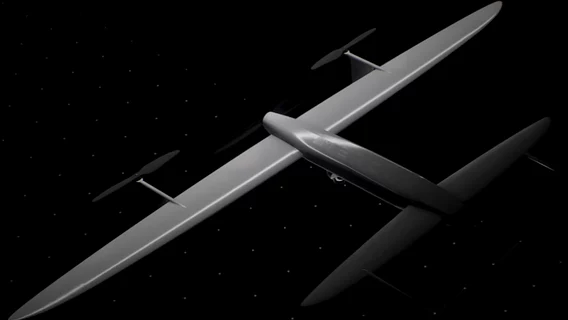
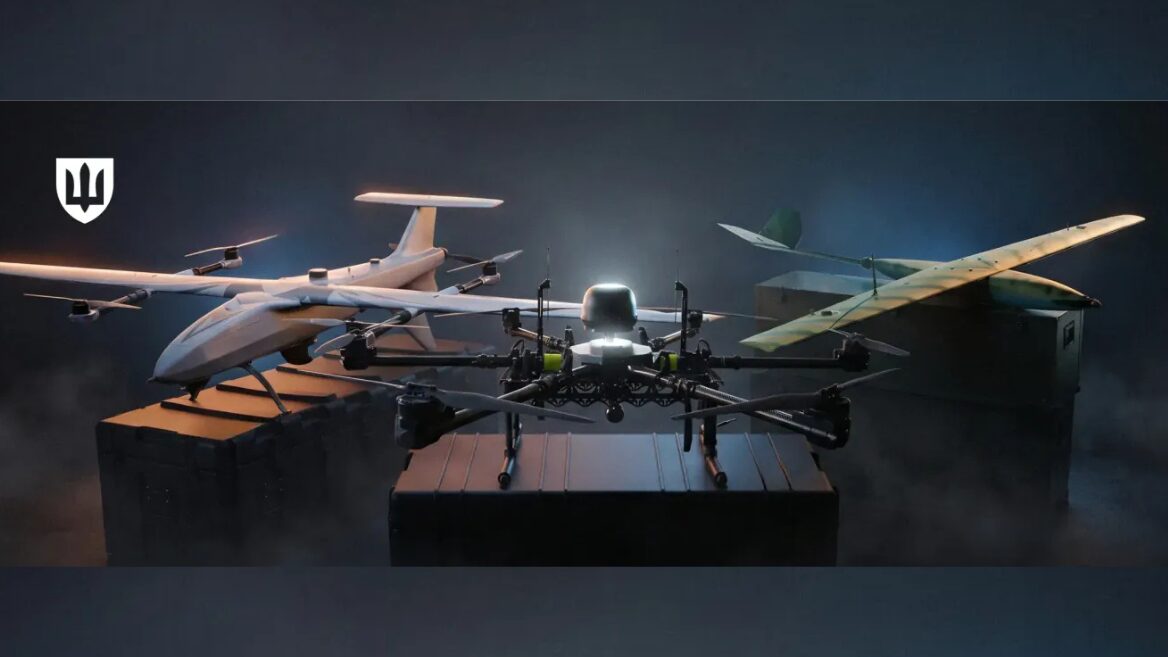
Ukrainian miltech company ANT (Aviation New Technologies LLC) has introduced an updated version of the Mercury unmanned aerial vehicle complex. The development of the new iteration lasted almost a year, and the complex received increased autonomy, improved flight characteristics and new capabilities for operating in conditions of enemy electronic warfare.
Ukrainian miltech company ANT (Aviation New Technologies LLC) has introduced an updated version of the Mercury unmanned aerial vehicle complex. The development of the new iteration lasted almost a year, and the complex received increased autonomy, improved flight characteristics and new capabilities for operating in conditions of enemy electronic warfare.
dev.ua was informed about this by the ANT company.
The main change was the increase in flight time and distance. The autonomy of the complex increased from 2.5 to 4 hours (in practical operation conditions - up to 5 hours). This allows you to significantly expand the time of direct observation and fire adjustment over the target, since a significant part of the resource was previously spent on flying to the reconnaissance area. The maximum distance traveled increased from 170 km to 250 km (in practical use - up to 300 km), and the operating flight altitude increased from 3000 m to 4000 m. The cruising speed of the UAV is 90 km/h, and the maximum - up to 126 km/h.
Parameter
Previous version
Updated version
Operating altitude
3000 m
4000 m
Flight range without communication
100 km
150 km
Maximum distance traveled
170 km
250 km (up to 300 km during practical operation)
Flight time
2.5 hours
4 hours (up to 5 hours during practical use)
Maximum speed
19–25 m/s (68–90 km/h)
21–35 m/s (76–126 km/h)
Cruising speed
21 m/s (75 km/h)
25 m/s (90 km/h)
Flight weight
13 kg
19 kg
"Today, the main task of a military drone manufacturer is not to create a product once, but to constantly improve it. The enemy is changing tactics, modernizing electronic warfare, and using new means of interception, so we must react faster. The new iteration of Mercury is the result of dozens of combat missions, tests, and feedback from operators," said ANT co-founder and director Oleksiy.
To counter electronic warfare, the complex is equipped with two jamming-resistant communication channels: the main one at 5.8 GHz and the backup one at 433 MHz with pseudo-random frequency tuning (PRT) technology. The navigation system supports operation using an inertial system without the use of a satellite signal, flight following radio beacons, radio silence mode, and automatic return.
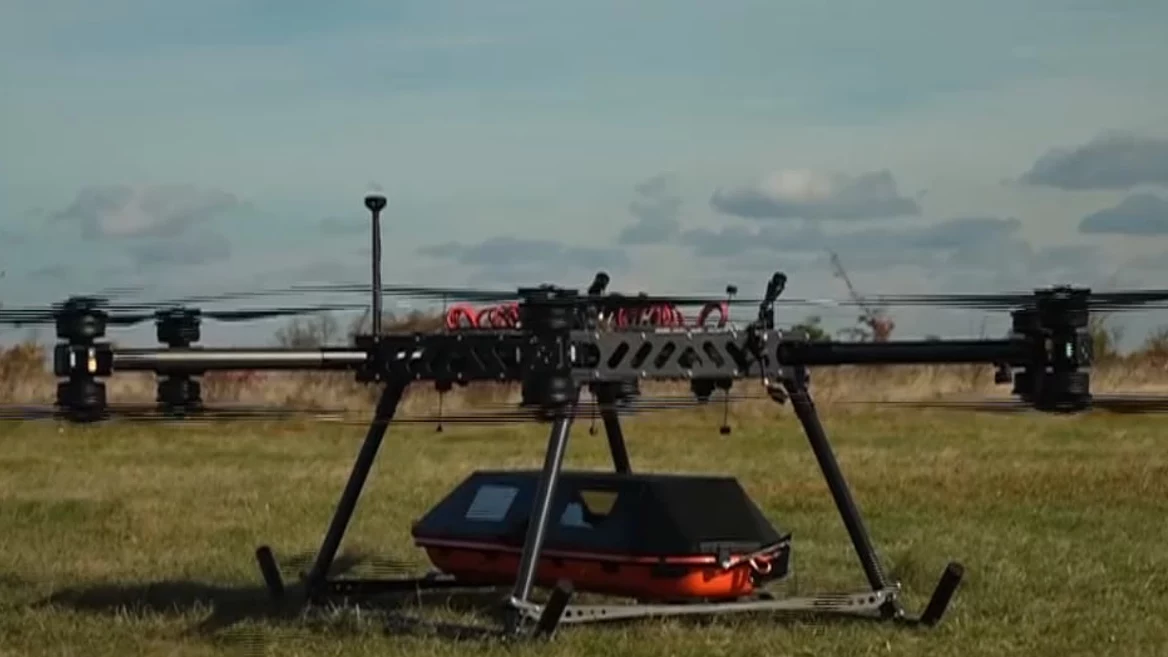
The UAV is implemented according to the VTOL (vertical takeoff and landing) scheme, which allows the system to be deployed from a 5×5 meter platform without the use of a catapult. The complex is equipped with an optical system with a day camera (magnification up to 210x) and a thermal imager with a resolution of 1280×1024. One UAV includes two aircraft, a base control station and a set of transport boxes.
The updated version of Mercury was tested in the Pokrovsky range and in the Russian Sudzhi area in 2025. The complex also received official codification in the NATO Codification System.