Хочете будувати кар’єру в Data Science та AI? Vodafone Big Data Lab відкриває новий набір —>
Валентин ШнайдерWar
17 December 2025, 10:02
2025-12-17
NRCs provide almost all frontline logistics: up to 80% of cargo transportation is done by ground drones
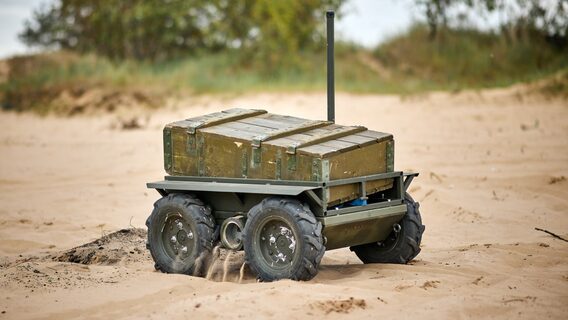
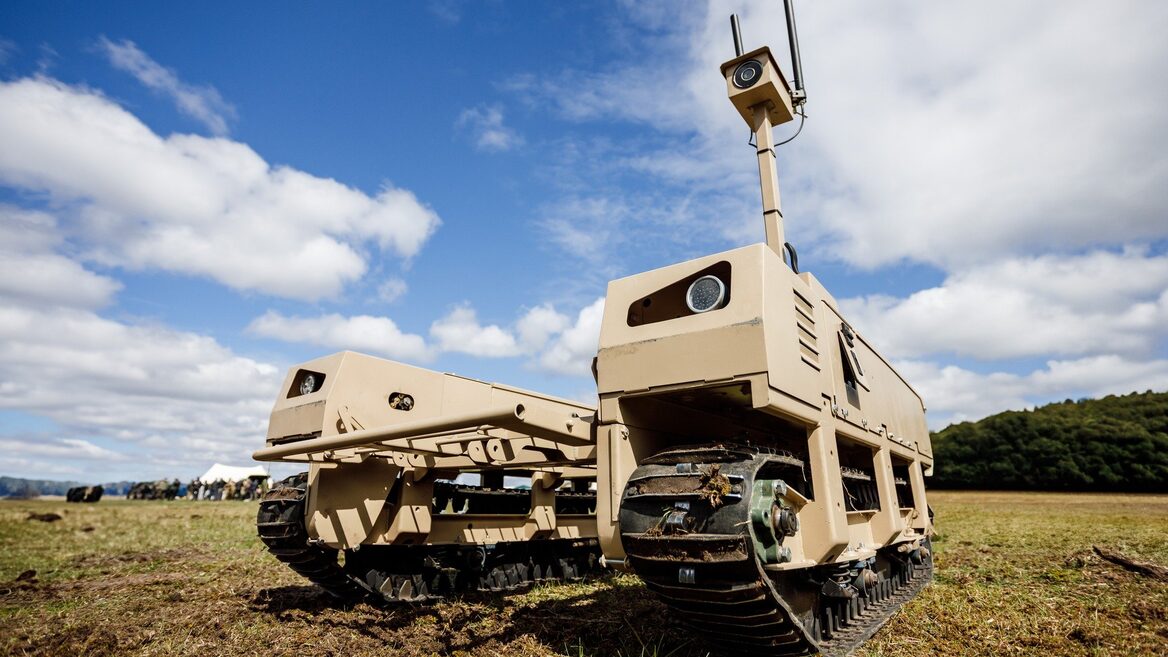
Some units of the Defense Forces have significantly reduced risky deliveries to positions: where access routes are controlled by enemy UAVs, cargo is increasingly being transported by ground robotic complexes and heavy helicopters.
Some units of the Defense Forces have significantly reduced risky deliveries to positions: where access routes are controlled by enemy UAVs, cargo is increasingly being transported by ground robotic complexes and heavy helicopters.
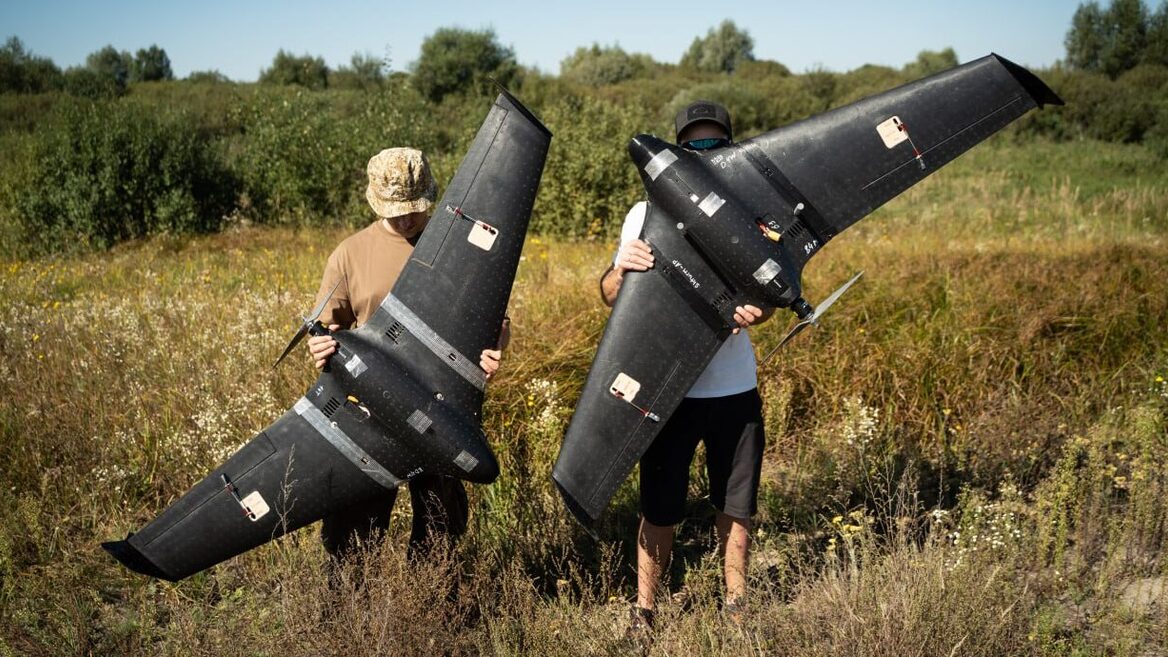
According to Military, the 3rd separate assault brigade is already fully covering the needs of the front lines thanks to ground drones and heavy multi-rotor unmanned aerial vehicles of the Vampire type. Operators of this direction transport up to 40 tons of cargo per week, ensuring the work of five battalions. The commander of the company of the shock NRC NC13 Makar clarifies: in July-August, ground drones took on approximately 80% of front-line logistics, but with the deterioration of the weather, their share fell to 50% - due to the poorer terrain and the lack of equipment in the unit.
In the Azov brigade, most of the transportation to the front line has also been given to robotic complexes: they deliver 20-25 tons of property every month. A similar practice exists in the Airborne Assault Forces: one of the brigades transports 10-12 tons per month, which is approximately 80% of all supplies to the front line.
Operators explain that the key driver of robotics is the formation of "kill zones" behind the front lines. In these zones, enemy drones conduct constant surveillance, mine roads, and ambush entrances. The depth of such influence, they say, reaches 5 km, and in the hottest areas it sometimes exceeds 20 km. In such conditions, ground drones have become a way to deliver cargo without direct risk to people and without regular armored vehicles.
The head of the robotic systems service of the “Da Vinci Wolves” battalion of the SBS, Oleksandr Yabchanka, notes that logistics have changed dramatically over the past year and IRCs have become almost the only alternative to delivering armored vehicles. At the same time, this is not a “bloodless” technology: according to the operators of “Azov”, their company loses more than 10 robotic complexes to enemy UAV attacks every month, but this is the equivalent of dozens of lives saved. Today, robotic platforms carry ammunition, fuel, UAV batteries, provisions, equipment and even blood for transfusion to positions.
Previously, dev.ua wrote about how the First Deputy Prime Minister, Minister of Digital Transformation Mykhailo Fedorov announced the opening of the market for training specialists for robotic systems . The first private schools appeared in Ukraine that can officially issue certificates for operators of ground robotic complexes.
DroneUa на війні: Найбільша в Україні компанія з безпілотних технологій займається аеророзвідкою, шукає ворожі дрони, кинуту техніку, готує флот із 1700 безпілотників до посівної
Співзасновник компанії DroneUa Валерій Яковенко зараз перебуває на Західній Україні. Він із командою розташувався в офісі філії, яку компанія не встигла ще відкрити у мирний час.
Have important news to share? Message our Telegram bot
Key events and useful links in our Telegram channel