OpenAI has started redirecting GPT-4o requests to another model in case of dangerous content
Over the weekend, some users noticed that GPT-4o was redirecting requests to an unknown model for no reason. It turned out that this was a security feature.


Over the weekend, some users noticed that GPT-4o was redirecting requests to an unknown model for no reason. It turned out that this was a security feature.

Over the weekend, some users noticed that GPT-4o was redirecting requests to an unknown model for no reason. It turned out that this was a security feature.
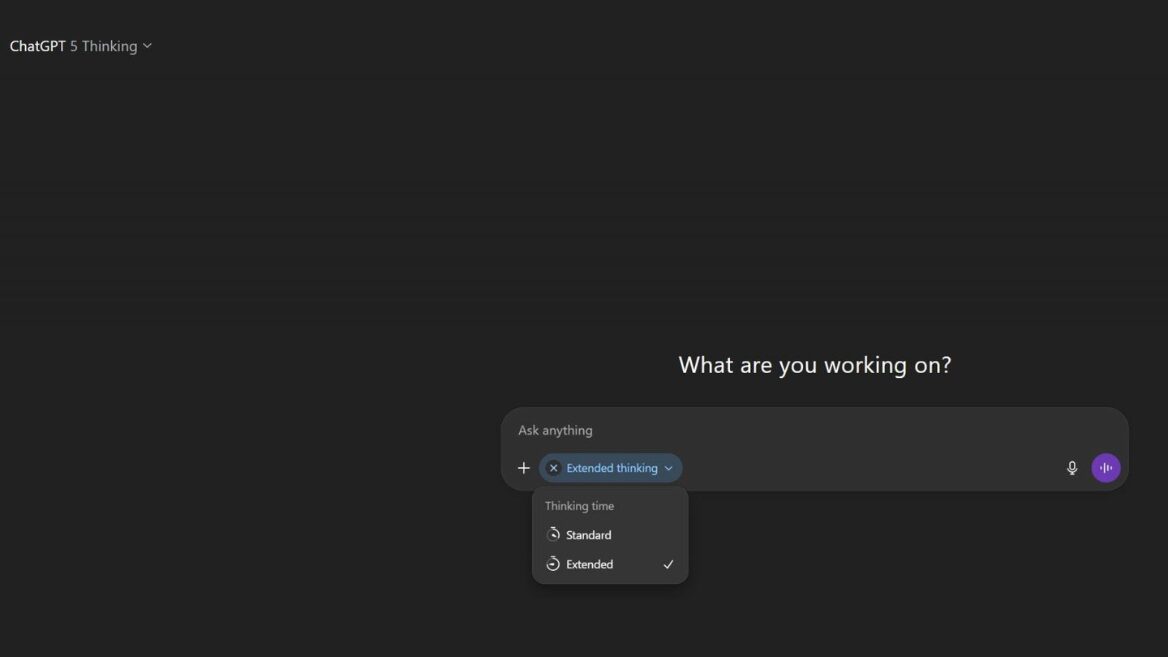
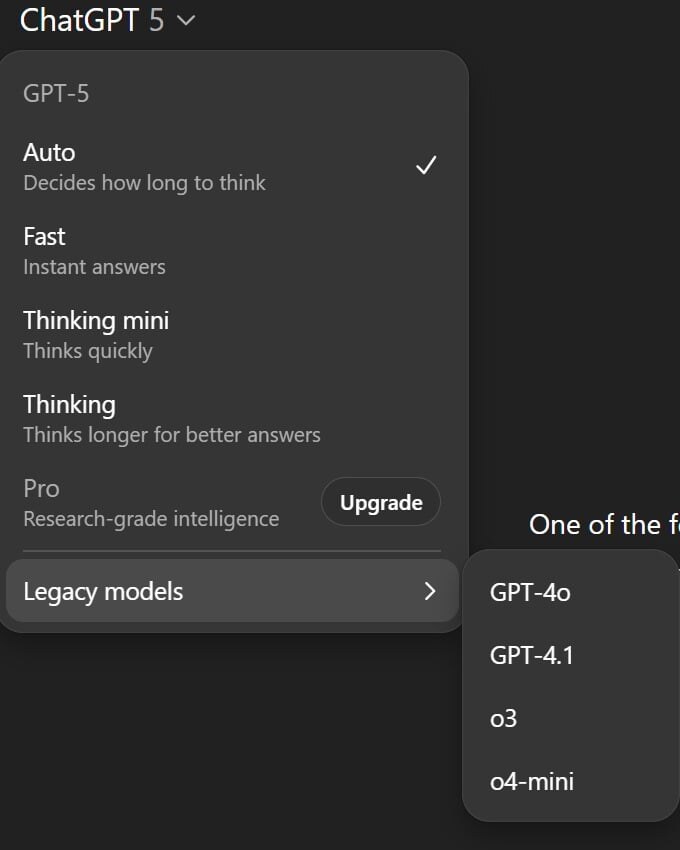
ChatGPT can switch some dialogues to other models. For example, if you use GPT-5 in automatic mode and ask the AI to "think," the system will redirect your request to gpt-5-thinking, writes Bleeping Computer.
And while this is convenient, users didn't really like the fact that GPT-4o also started redirecting conversations to other models, most likely one of the versions of GPT-5.
This can happen when communicating with GPT-4o on emotional or sensitive topics that the AI system might consider as “malicious activity.” In such situations, GPT-4o switches to gpt-5-chat-safety.
OpenAI announced plans for such changes in early September, and began implementing them a few days ago.
“Redirects are message-by-message; switching from the default model is temporary. ChatGPT will tell you which model is active if you ask,” noted Nick Turley, VP of ChatGPT, in a post on the X platform.
“As we mentioned, when the conversation touches on sensitive and emotional topics, the system can switch mid-chat to a logical reasoning model or GPT-5, which is designed to handle such contexts with extra care.”
It is not possible to disable routing as it is part of OpenAI's implementation to ensure security measures.
OpenAI says this is part of their broader efforts to strengthen security measures and learn from real-world usage experiences before launching the technology to everyone.