Хочете будувати кар’єру в Data Science та AI? Vodafone Big Data Lab відкриває новий набір —>
Марія БровінськаHot News
6 August 2025, 08:16
2025-08-06
Operation "Pavutyna" from the SBU: how it works from a technical point of view, what role did AI algorithms play, and why this case is important for the IT community. Technical analysis from EPAM and Neoversity experts
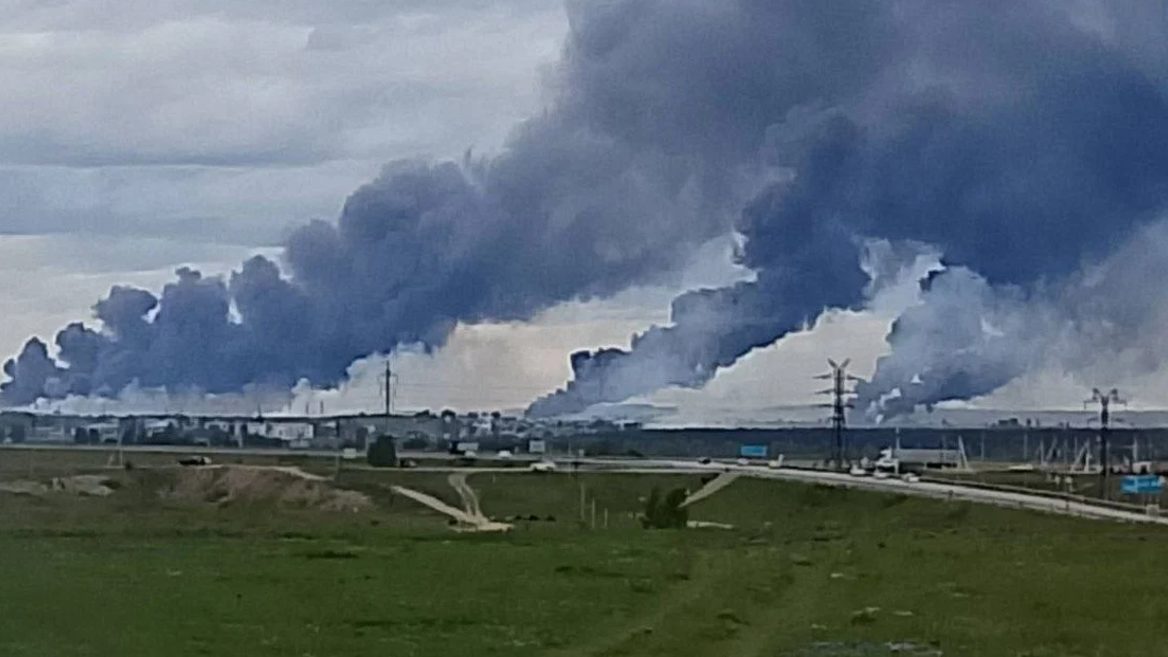
War is no longer just a battlefield, but a space where algorithms fight. On the night of August 4, 2025, Ukrainian drones of the Special Operations Center «A» of the Security Service of Ukraine (SOC «A» of the SBU) attacked the Saki military airfield in temporarily occupied Crimea.
Result: they destroyed a Su-30SM (a fighter jet worth $35 to $50 million), damaged another plane, three Su-24 bombers, and an aviation weapons depot. This is the second high-profile operation involving the SBU, using AI and drones. The first was the unprecedented «Pavutyna», where for the first time in world practice, combat drones were controlled by AI and used open-source software.
How it works from a technical point of view, what role AI algorithms played, and why this case is important for the IT community, are analyzed by Yuliana Degtyareva, Copywriting Team Lead at Neoversity IT University, and Yuriy Rybak, Senior Software Engineer at EPAM Systems and AI course instructor at Neoversity.
War is no longer just a battlefield, but a space where algorithms fight. On the night of August 4, 2025, Ukrainian drones of the Special Operations Center «A» of the Security Service of Ukraine (SOC «A» of the SBU) attacked the Saki military airfield in temporarily occupied Crimea.
Result: they destroyed a Su-30SM (a fighter jet worth $35 to $50 million), damaged another plane, three Su-24 bombers, and an aviation weapons depot. This is the second high-profile operation involving the SBU, using AI and drones. The first was the unprecedented «Pavutyna», where for the first time in world practice, combat drones were controlled by AI and used open-source software.
How it works from a technical point of view, what role AI algorithms played, and why this case is important for the IT community, are analyzed by Yuliana Degtyareva, Copywriting Team Lead at Neoversity IT University, and Yuriy Rybak, Senior Software Engineer at EPAM Systems and AI course instructor at Neoversity.
Imagine a swarm of small FPV drones that infiltrates one of the most protected air bases in Russia. But this time they are controlled not only by an operator hundreds of kilometers away, but also by artificial intelligence on board… In June 2025, this picture became a reality thanks to the high-profile SBU operation «Pavutyna».
Let’s take a detailed look at the technical component of this operation, which has already gone down in history as the first large-scale combat case of using autonomous systems with AI on the battlefield.
About the operation
On June 1, the Security Service of Ukraine conducted an unprecedented operation called «Web,» personally led by SBU head Vasyl Malyuk. The security service attacked four Russian air bases, damaging more than 40 enemy aircraft, including A-50s, Tu-95s, and Tu-22M3 bombers. The SBU reported that the cost of damage to Russian strategic aviation amounted to about $7 billion.
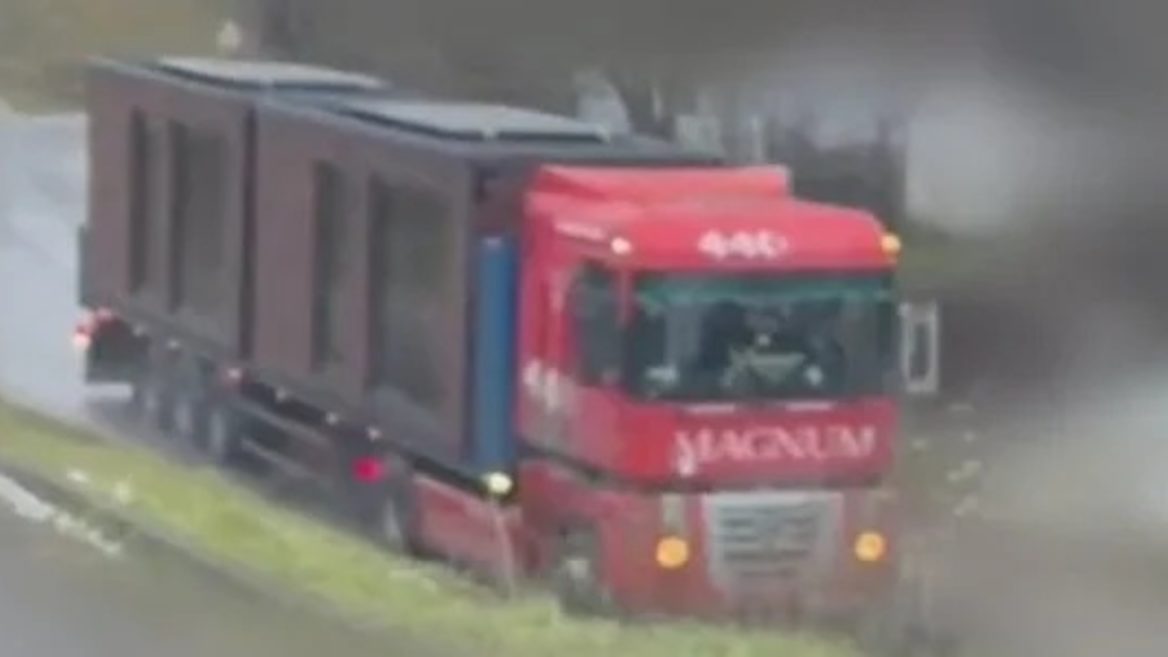
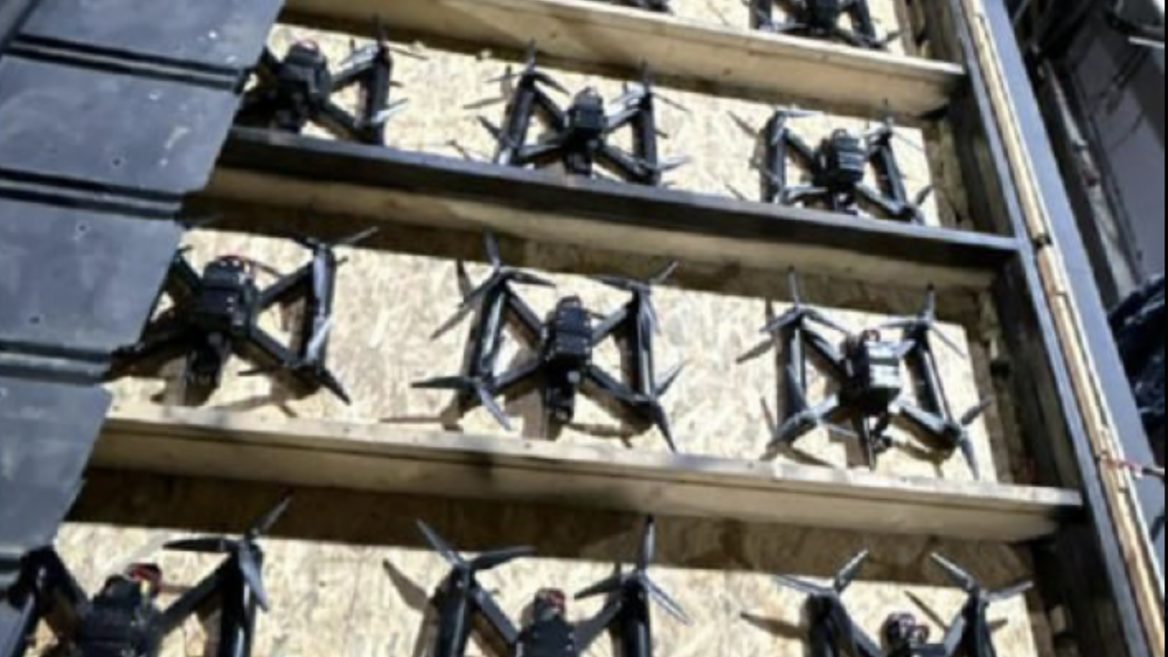
The operation reportedly began planning more than 18 months in advance. Ukrainian operatives transported about 150 small strike drones, modular launchers, and 300 explosive charges to Russia via secret logistics routes. The drones were hidden in wooden modular cabins, which were then loaded onto standard trucks.
What’s the point of AI here?
In Operation Spiderweb, Ukraine demonstrated a hybrid approach to drone warfare that combined human remote control with elements of autonomy and potentially AI functionality. While the operation was not fully autonomous, available evidence suggests that AI played a supporting role in both flight stabilization and guidance, particularly in providing precision strikes on aircraft vulnerabilities.
To ensure stable control over long distances over cellular networks, the drones used a hardware-software system built on ArduPilot, a widely used open-source autopilot system designed for unmanned aerial vehicles. ArduPilot provides advanced flight stabilization, waypoint navigation, fail-safe procedures, and programmable mission profiles. In this case, each drone was equipped with a compact on-board computer (such as a Raspberry Pi) connected to a webcam and an LTE modem via Ethernet. The camera feed was used for visual navigation, while control signals were sent via the ArduPilot UART interface, allowing operators to remotely control the drone, despite significant signal latency.
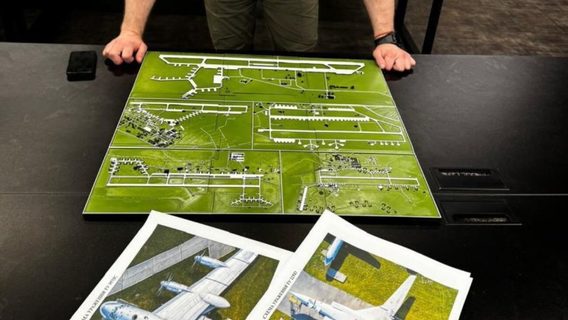
In addition to manual control, the drones’ attack logic integrated artificial intelligence guidance. According to intelligence and open-source reports, SBU teams studied the design and visual profiles of target aircraft, including Tu-95MS, Tu-22M3, and A-50 models stored in Ukrainian aviation museums, such as the Poltava Museum of Long-Range and Strategic Aviation, to identify precise vulnerabilities.
These profiles likely served as training data for machine vision models that were then embedded into the drone’s onboard computers. Such models could assist operators by identifying key structural weaknesses, such as underwing missile pylons and fuel tank seams, allowing for maximum damage and disabling the drone.
Technical stack
The key solution was a combination of open-source software and advanced artificial intelligence algorithms. FPV drones were equipped with AI modules that automatically found and attacked targets in the event of loss of communication, as confirmed by Business Insider and other sources .
ArduPilot is an open-source autopilot platform that provides stabilization, waypoint navigation, and interaction with auxiliary computers (Raspberry Pi, Jetson Nano).
Computer Vision (CV) — YOLOv8 and MobileNet-SSD for real-time target recognition and localization.
Edge computing — Raspberry Pi with LTE connectivity for video streaming and remote control.
How did the AI work?
AI was integrated to solve two critical tasks:
1. Autonomous navigation in conditions of GPS jamming
Due to the Russian military’s extensive use of electronic warfare systems, traditional GPS coordinates may have been unreliable. For this, a combination of INS (Inertial Navigation System) and Visual Odometry was likely used, allowing the drone to navigate in space based on the analysis of terrain images.
It is important to note that in this operation, artificial intelligence played the role of an AI assistant (co-pilot), automating complex routine tasks. However, the final decision to strike was made by the operator in most cases.
2. Accurate target recognition
The drones were equipped with pre-trained neural networks that identified the type of aircraft and their vulnerable areas in real time. Data for training the models was collected through OSINT analytics, satellite imagery, and even 3D scans of museum exhibits of similar aircraft.
It is worth emphasizing that in modern AI projects, it is the quality of the prepared data that determines half of the success: behind each «smart» drone are months of painstaking work by analysts who ensure high accuracy of machine learning models.
Solution architecture
The drones were likely equipped with Pixhawk controllers connected to a Raspberry Pi via the MAVLink protocol. The Pi, equipped with an LTE modem, ran CV models on TensorFlow Lite, providing fast video stream processing and point control in offline mode.
The significance of the operation for the AI community
Operation Spiderweb is a shining example of how AI solutions can be effectively integrated into real-world engineering challenges of high complexity. It demonstrates that even relatively cheap and accessible technologies, if used correctly, can radically change the balance of power.
«The importance of AI technologies will only grow over time. Building competencies in this area allows us to not only use ready-made solutions and choose the best of them. Deepening our understanding of machine learning makes it possible to optimize existing and develop our own technologies, which is important in the context of the limitations of edge computing and combat operations,» notes Maksym Lyzohub, head of the pro bono Computer Vision project for UAVs of the Armed Forces of Ukraine and a teacher of the Deep Learning course at Neoversity. «The effect of such developments is difficult to overestimate: technological advantage of national defense; saving lives where it was possible to involve a machine instead of a person; transferring the achievements of military technologies to civilian infrastructure to improve the quality of life.»
Operation «Web» demonstrates a completely realistic vector of development of military technologies. The key here is not just the use of AI, but its integration at the «edge computing» level — that is, directly on board inexpensive drones. The combination of open-source platforms, such as ArduPilot, with easily accessible computers such as Raspberry Pi and advanced computer vision models (YOLO) — this is the very «asymmetric response» that allows you to technologically outsmart the enemy. The importance of training specialists who understand not only the theory of machine learning, but also hardware limitations and practical tasks, is becoming critically important for the country’s technological advantage today.
Cybersecurity and the risks of attacks on autonomous systems
Autonomous systems based on artificial intelligence are becoming targets for sophisticated cyberattacks, including control interception, GPS signal spoofing, DDoS attacks on communication channels, etc. In war conditions, the consequences of such attacks can be critical — from loss of control over drones to damage to one’s own forces or civilian infrastructure. Therefore, the key elements of protection are:
Using cryptography and authentication to protect communication channels.
Implementation of multi-level security systems, including anomaly monitoring.
Regular software updates and prompt response to new threats.
Training specialists to work with cyber defense of autonomous systems and rapid response to incidents.
A deeper understanding of these aspects can significantly reduce risks and increase the reliability of using AI technologies on the battlefield.
Afterword
Operation Spiderweb is not just a military operation, but an innovative breakthrough that demonstrates the real capabilities of AI solutions in difficult conditions. For IT professionals, it is a signal that it is worth investing in a deep understanding of artificial intelligence and edge computing technologies today, because the future belongs to them.
However, the use of AI for military purposes opens up a debate about ethics and responsibility. Such solutions require careful regulation and transparency to avoid uncontrolled use of autonomous combat systems.
«Our strikes will last exactly as long as the Russian Federation terrorizes Ukrainians with missiles and suicide bombers.» SBU Chief Vasyl Malyuk commented on the special operation «Website»
«У США тестувальник може отримувати $100 000 і навіть $500 000 на рік». Історія релокейту дніпровської IT-родини, де чоловік працює в EPAM, а дружина влаштувалася в Tesla
Марк і Вікторія Терещенки — IT-подружжя. Він працює на позиції Lead Test Automation Engineer у компанії EPAM, вона — Software QA Engineer у Tesla. У серпні 2021 року пара разом з 1-річним сином здійснила релокейт до США за L візою. Ми зв’язалися з українською родиною та поговорили про труднощі переїзду, зарплату в Америці та специфіку роботи в компанії Ілона Маска.
«Моя фінансова мета — накопичити $1 000 000, щоб мати пасивний дохід і жити на нього». Як айтішники витрачають гроші та в що інвестують
Зарплата айтішників в Україні — одна з найвищих. І ІТ-галузь під час війни — єдина галузь, яка зростає, попри війну. А айтішники — серед тих, хто найактивніше підтримують армію. Середній місячний донат айтішника становить 10% від зарплати, або $270. dev.ua вирішив розпитати айтішників, куди вони витрачають гроші й у що інвестують під час війни.
Не Патроном єдиним. Айтішник з EPAM шиє військову амуніцію для собак: історія диво-стартапу для чотирилапих захисників України
Максим Лісович, Interior Designer в ЕРАМ Україна, поза роботою допомагає амуніцією українським військовим… собакам. Так, службові пси носять унікальні жилетки та нашийники, мають спеціальні аптечки та турнікети. Чотирилапі в такому «одязі» більш захищені та впізнавані.
За словами Максима, тільки на заході країни нас захищають сотні військових собак. Айтівець допомагає військовим кінологам нести цю службу гідно, забезпечуючи відповідною амуніцією, спеціальними аптечками та турнікетами. Нещодавно він провів три дні поспіль, власноруч відшиваючи нашийники та повідці. А ще два роки тому шити він не вмів узагалі. Ось історія диво-стартапу.