Хочете будувати кар’єру в Data Science та AI? Vodafone Big Data Lab відкриває новий набір —>
Марія БровінськаWeapon
22 July 2026, 09:33
2026-07-22
Ukrainian military develops PEGAS robot that overcomes swamps like armored vehicles and transports cargo like a minivan
During combat tests, PEGAS for the first time overcame difficult off-road terrain inaccessible to most serial NRCs, traveled up to 40 km without recharging, and at the same time turned out to be almost five times cheaper than factory analogues.
During combat tests, PEGAS for the first time overcame difficult off-road terrain inaccessible to most serial NRCs, traveled up to 40 km without recharging, and at the same time turned out to be almost five times cheaper than factory analogues.
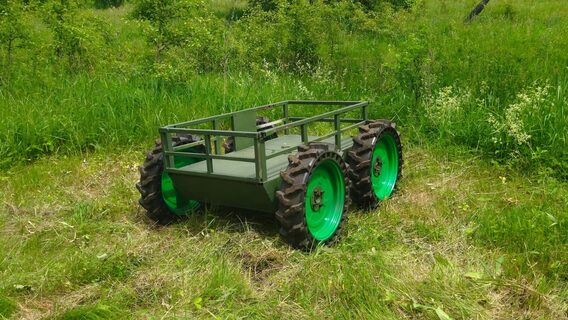
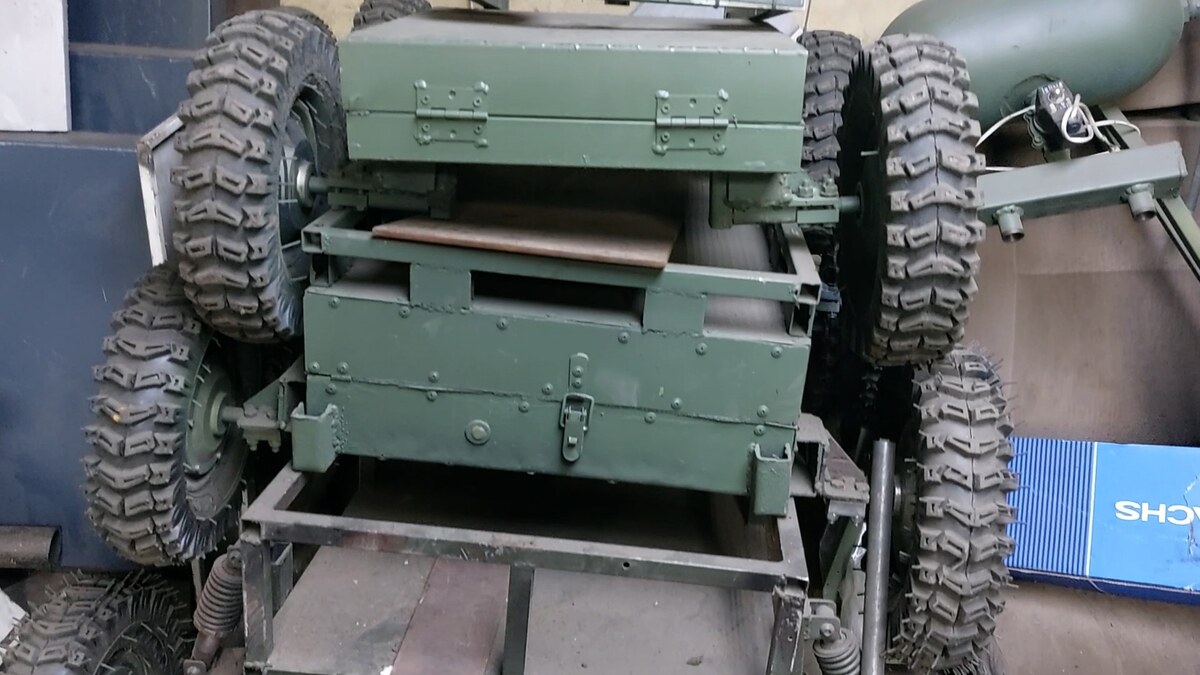
Imagine: the enemy positions are only a few kilometers away. The soldier has run out of ammunition, needs water and fuel. The ATV will have to go to the positions twice, and sometimes three times. Each flight is another risk: the enemy FPV can spot the equipment at any moment. The NRC would complete this task in one trip. But there is a problem: factory work costs over 400 thousand hryvnias and does not always pass through swamps or deep ruts. The 115th Brigade of the Ukrainian Military District found a solution — they created their own «PEGASUS», which is five times cheaper, passes difficult off-road conditions and carries up to 370 kg of cargo.
The design bureau is right at the front
The 115th Separate Brigade of the Territorial Defense Forces was created in 2018. Its soldiers defended the Sumy and Lysychansk regions, fought in the Donetsk and Kharkiv regions. During this time, they became convinced that serial NRCs do not always withstand real frontline conditions.
«Recently, after the rains, it was difficult to even drive an ATV. And standard robots in the swamp simply sit on their bellies and get stuck,» says the brigade’s engineer, Borys.
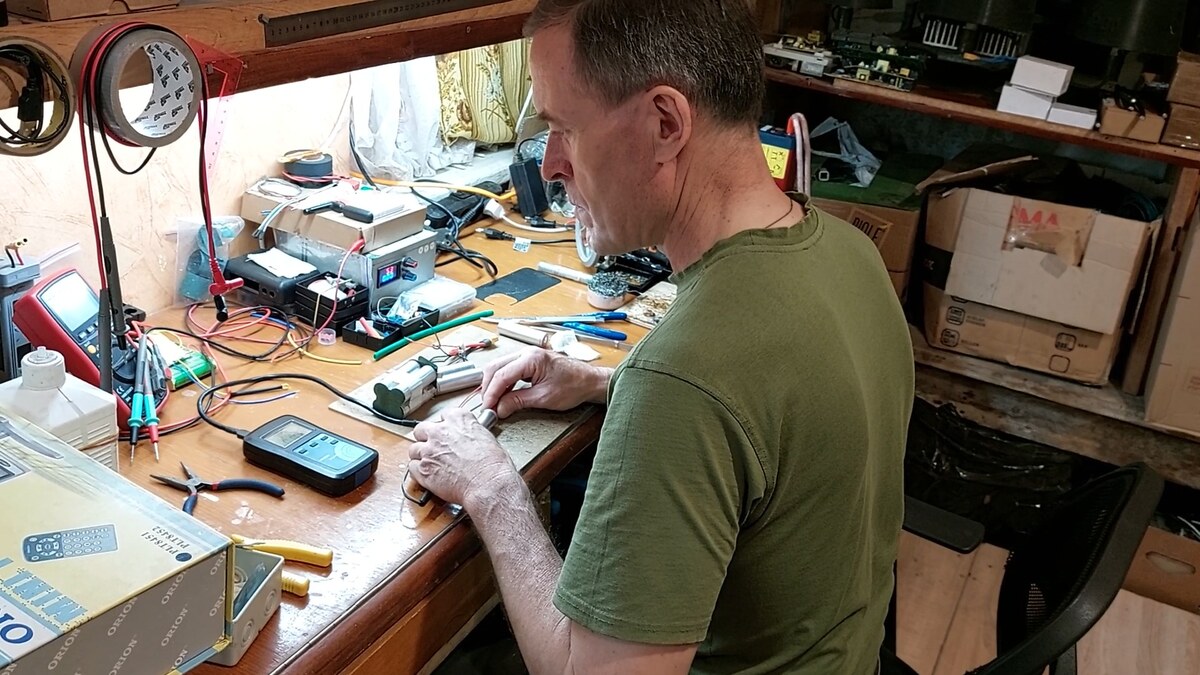
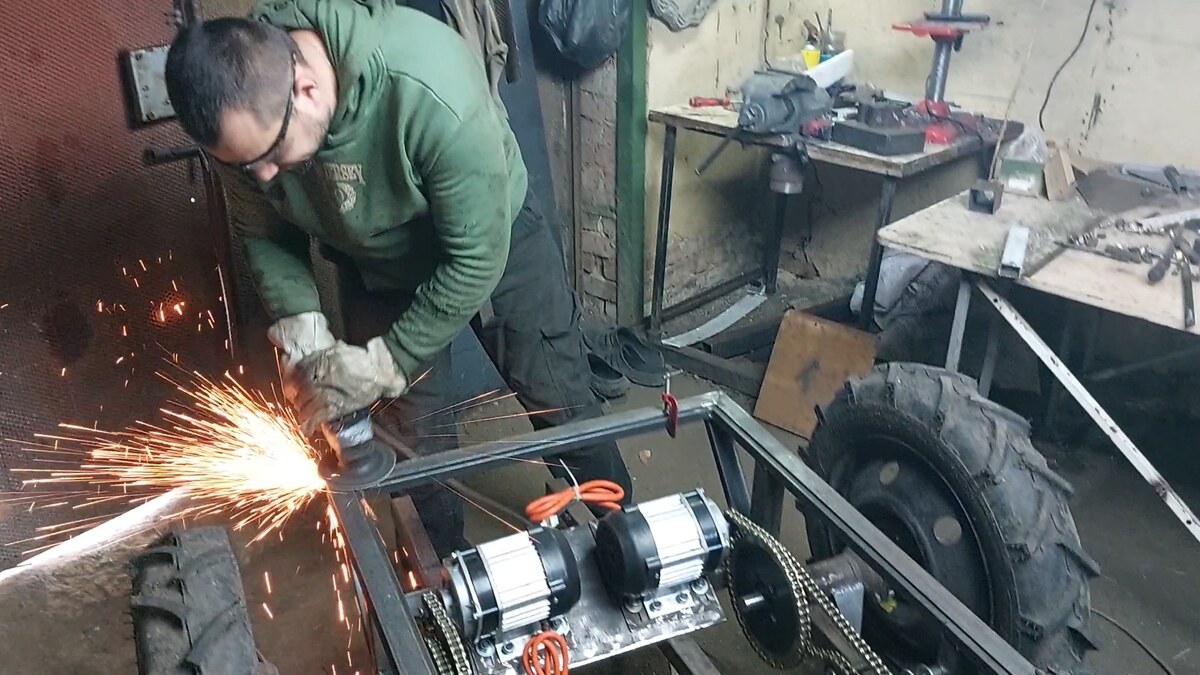
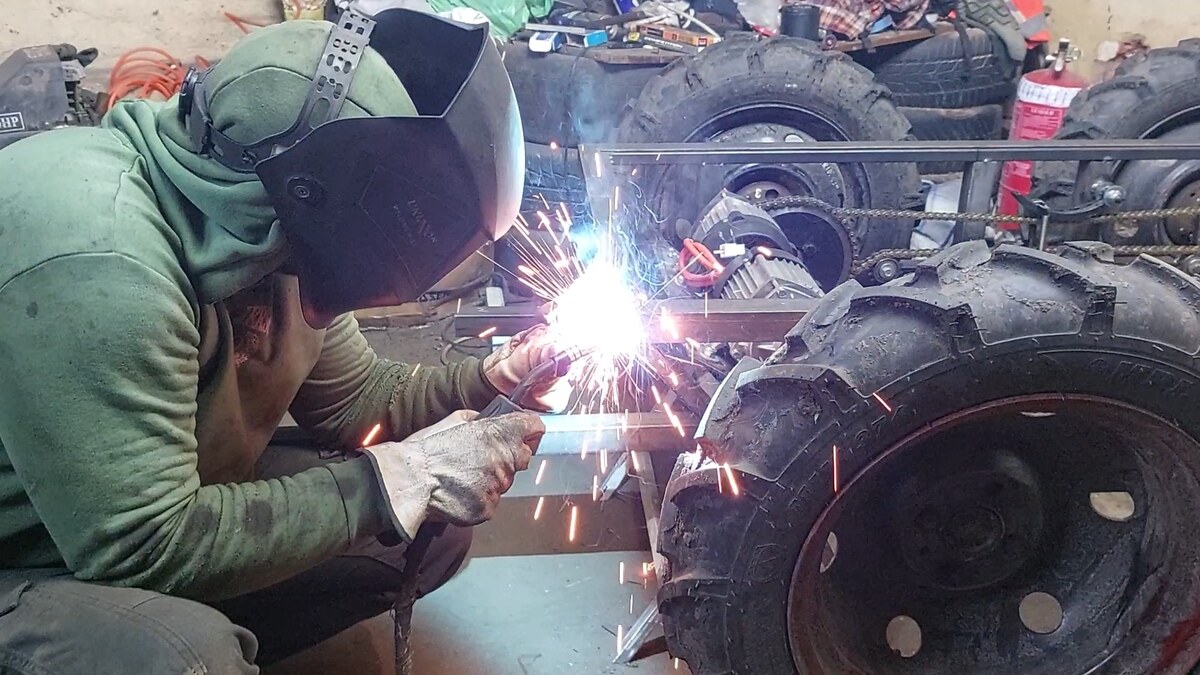
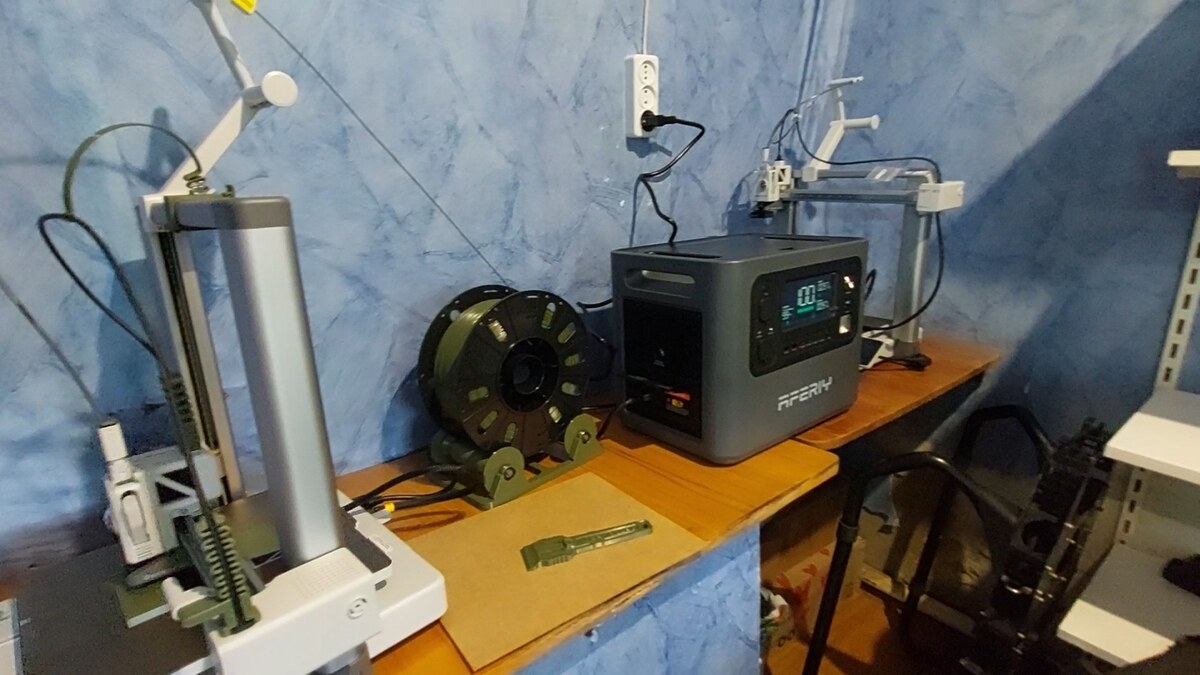
It was precisely such situations that pushed the military to create their own equipment — cheaper, better adapted to difficult off-road conditions and specific combat missions. Thus, an engineering workshop appeared in the brigade, where today they assemble NRCs, Molniya-type aircraft, repeaters, and modernize equipment for the front.
Engineers figured out how to create a more advanced «PEGAS» — and one that is five times cheaper than factory analogues.
The first major development of the team was the ground robot «PEGAS»
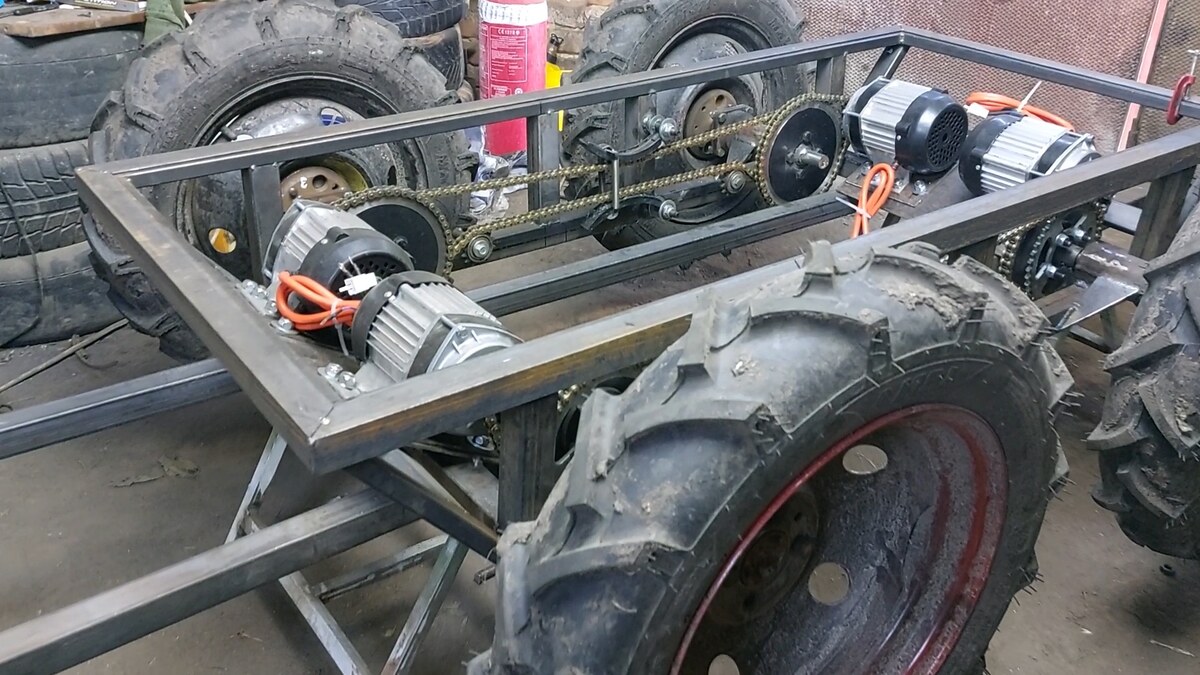
If a factory-made NRK costs from UAH 400,000, then it is assembled much cheaper in the 115th Brigade of the Military District. The secret is that the equipment is created not according to factory drawings, but for specific combat missions. To do this, they use used components, design the structure themselves, and even look for engines on OLX.
«We make NRCs for the task. If necessary, we change the size, load capacity, or range. Not every factory robot can drive where we need it.»
The team explains that one of the key advantages of the NRK is the ability to modify it for specific terrain. To do this, they increased the ground clearance, installed airless tires, and created a design that can be quickly upgraded.
Lviv engineers created a battery so that one Pegasus could do the work of three crews
Today, the robot is used primarily for logistics. It delivers water, fuel, ammunition, and food to positions.
It carries up to 200 kg of cargo per trip, and during tests it successfully withstood a load of 370 kg. PEGAS goes where factory-made NRCs could not move. If earlier, to complete one task, it was necessary to send several ATVs or robots, which often got stuck in a swamp or on forest roads, now one trip of PEGAS is enough.
However, on the front line, it is important not only to deliver the cargo, but also to be ready to immediately complete the next task. That is why the heart of any ground robot is the battery.
«Most NRCs need to be charged for several hours after being discharged. We found a solution. The robot runs on replaceable batteries. If the battery runs out, the crew simply needs to replace the set — and in a few minutes the equipment is ready to perform the task again,» says the brigade engineer Borys.
It is for such extremely complex missions that Lviv engineers at PAWELL Battery have developed batteries for heavy drones and ground robotic complexes. They are based on industrial power system technologies, special uniform discharge controllers, power buses with minimal energy losses, and engineering solutions used in the modern automotive industry. This allows for quick battery replacement and almost no downtime to return the PEGAS to combat missions.
«It is the front today that best shows what needs to be changed or improved. The task of the military is to apply technologies in real combat conditions and provide feedback. The task of engineers is to transform this experience into even more effective solutions and return them to the front as soon as possible,» says Pavlo Yesyp, founder of PAWELL Battery.
A workshop on zero that works faster than a service center
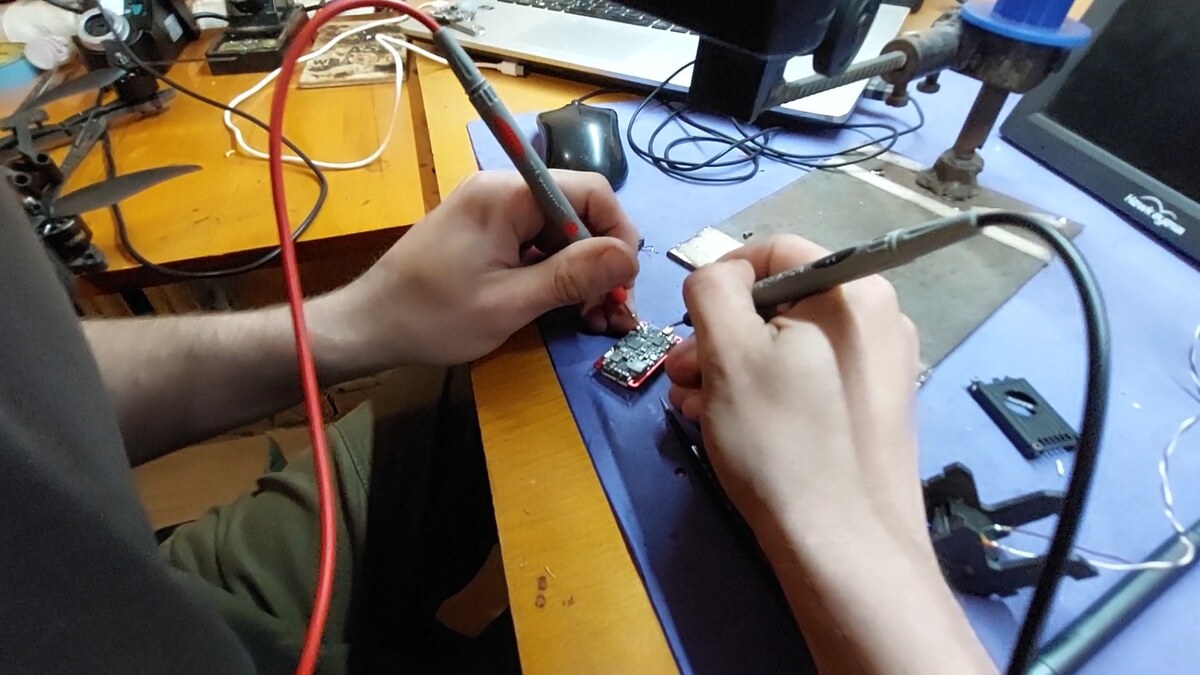
Today, engineers from the 115th Tactical Brigade work not only for their unit. They repair batteries and electronics, assemble repeaters, replace cables and connectors, and adapt equipment to the specific needs of crews of other military units.
Often it’s not just about repairs, but also about saving money. For example, the military assembles expensive repeaters on its own, which significantly reduces costs. But the main advantage is speed.
«The guys can bring the equipment during the day and go out to the positions with it at night. If you send it for service, you will have to wait. And at the front, very often you need to do everything here and now,» says Boris.
That is why the workshop actually works non-stop: while some engineers are assembling new NRKs and «Lightnings», others are repairing equipment that should return to combat missions in a few hours. If you want to support the work of the 115th SRO brigade, you can do so using the details.