Хочете будувати кар’єру в Data Science та AI? Vodafone Big Data Lab відкриває новий набір —>
Наталя ХандусенкоAI Eng
7 September 2026, 13:28
2026-09-07
Ukrainian AI project for drones among three winners of NATO competition
A Ukrainian company has entered the top three finalists of the 19th NATO Innovation Challenge, dedicated to developing technologies for long-term blocking of enemy airfields. The final stage of the hackathon was organized by NATO Command Transformation (ACT) and the Joint NATO-Ukraine Analysis, Training and Education Center (JATEC).
A Ukrainian company has entered the top three finalists of the 19th NATO Innovation Challenge, dedicated to developing technologies for long-term blocking of enemy airfields. The final stage of the hackathon was organized by NATO Command Transformation (ACT) and the Joint NATO-Ukraine Analysis, Training and Education Center (JATEC).
Following the performances of ten finalists, third place was won by a Ukrainian company specializing in artificial intelligence, ACT reports .
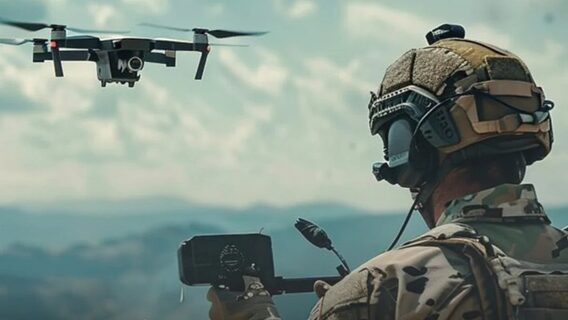
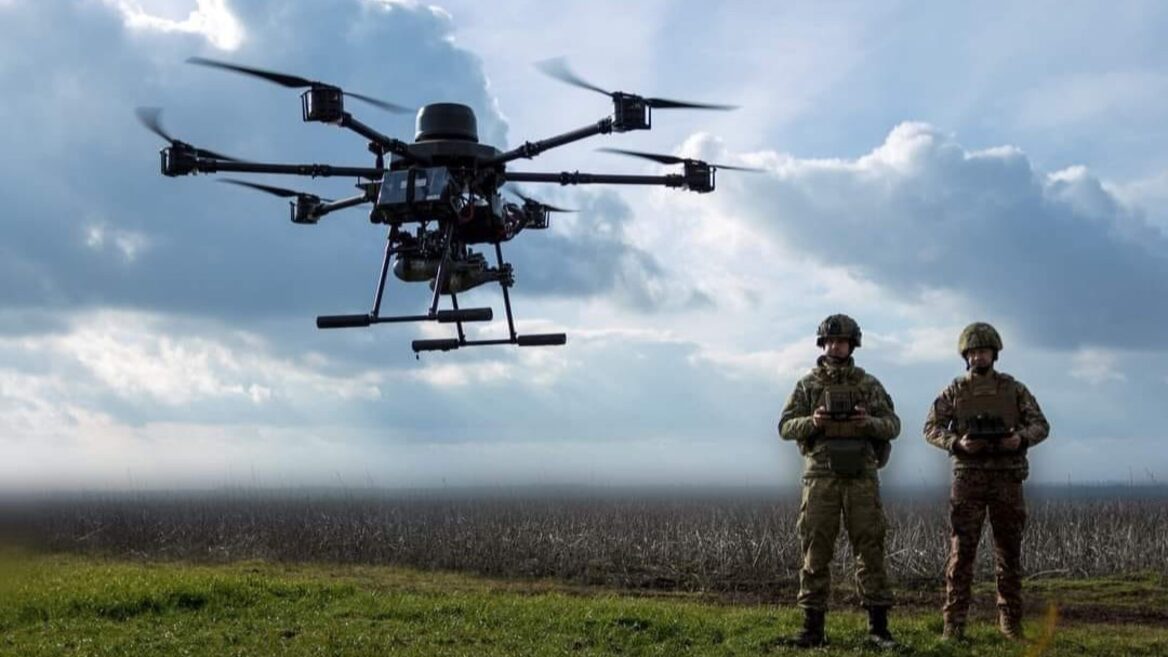
Ukrainian specialists presented an innovative AI-based autonomy system for unmanned aerial vehicles, designed to operate in difficult electronic warfare conditions. The development of the domestic command and technical sector is distinguished by stable navigation without GPS, high accuracy of target recognition and ease of integration into various types of unmanned platforms.
"The lessons learned from the war against Ukraine remind us that innovation cannot wait for tomorrow. We must learn directly from today's battlefield, adapt quickly, and turn this experience into practical solutions," emphasized JATEC Commander Major General Christian Breiner Ischoy.
The first and second places were won by LPP Holding from the Czech Republic (autonomous long-range strike system) and the Polish Supercluster (concept of StratoAIM high-altitude balloons with autonomous gliders).
The winners of the hackathon will have the opportunity to attract funding, as well as undergo further trials and experimental testing in the NATO ecosystem. The JATEC center will accompany the developments on the way to their rapid scaling and implementation in real combat units.