North Korea suspends military support to Russia, including the supply of missiles and shells: what happened
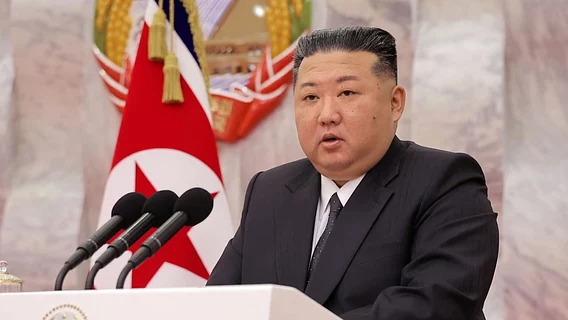
North Korean leader Kim Jong-un has decided to temporarily suspend military support for Russia due to tensions in relations caused by Moscow's diplomatic statements regarding South Korea.
North Korean leader Kim Jong-un has decided to temporarily suspend military support for Russia due to tensions in relations caused by Moscow's diplomatic statements regarding South Korea.
This was reported by the Main Intelligence Directorate of the Ministry of Defense of Ukraine.
The cause of the conflict between Pyongyang and Moscow
Despite the opening of the Tumangan River road bridge on September 7, 2026, which was supposed to improve logistics between the two countries, political friction arose between the parties in October. The reason was the statement by Russian Deputy Foreign Minister Andrei Rudenko that the Kremlin would promote de-escalation of relations between Seoul and Pyongyang in the future.
In response, at the end of October, North Korean Foreign Minister Choi Song-hee stated that such rhetoric contradicted allied agreements and demanded official clarifications from Moscow regarding its policy towards South Korea.
What restrictions has the DPRK introduced?
According to Ukrainian intelligence, within the framework of the temporary suspension of military aid, Pyongyang has adopted a number of steps:
closure of the sky — the use of North Korean airspace by Russian military transport aircraft is prohibited;
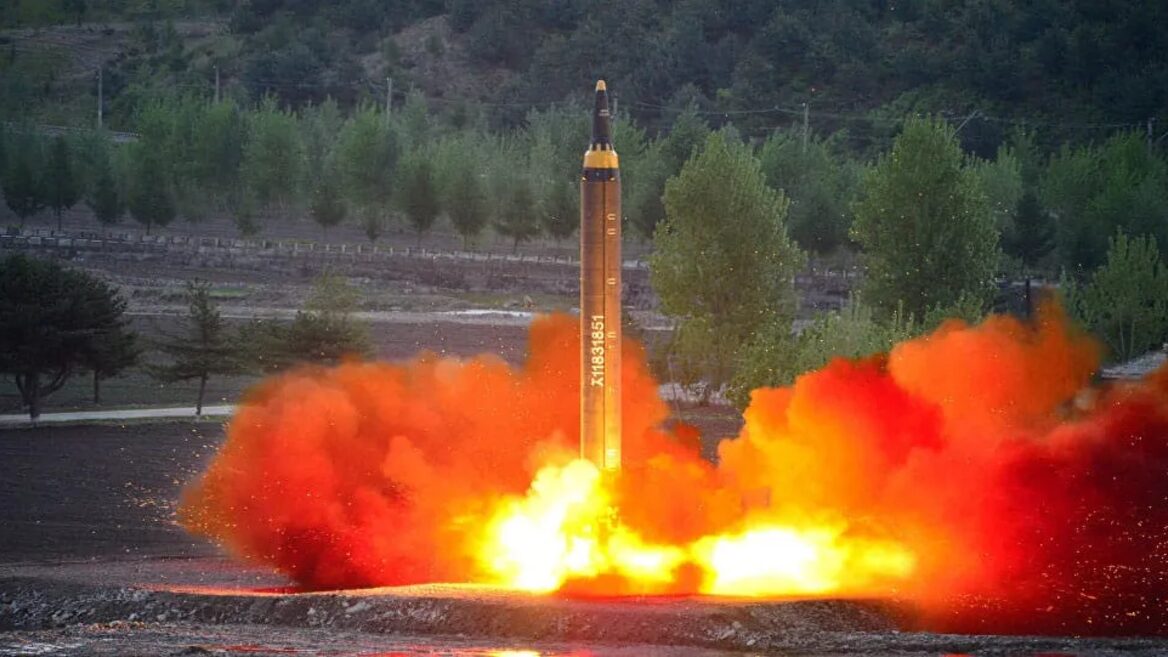
Stopping weapons supplies — the transfer of KN-23 ballistic missiles and another batch of artillery ammunition to Russia has been suspended.
Freezing the dispatch of troops — Pyongyang is holding back the implementation of the Russian Federation's request to increase the North Korean military contingent on Russian territory from 8.5 to 50 thousand servicemen.
The situation with North Korean troops on Russian territory and losses
Despite the diplomatic cooling, the units of the DPRK army that have already been transferred to the Russian Federation remain in position. In the Kursk region, units of the 11th Corps of the DPRK Special Operations Forces serve in the second echelon of the Russian Kursk group of forces. In the Voronezh region, since mid-summer 2026, a combined missile unit of the DPRK has been operating as part of the 112th Missile Brigade of the 1st Tank Army of the Moscow Military District, which is involved in missile strikes on Ukraine.
The GUR notes that further expansion of military cooperation between Moscow and Pyongyang has also been slowed down due to internal problems: the language barrier, lack of translators, poor interoperability, and the contemptuous attitude of the Russian high command towards the DPRK military, who are perceived there as a politically imposed burden.
An additional factor was the significant losses of the North Korean contingent in battles against the Ukrainian Defense Forces in the Kursk region - according to intelligence estimates, they amounted to 7,058 servicemen, of whom 2,251 were killed or missing, and the rest were wounded.
On February 15, the Russian Federation attacked Ukraine with North Korean ballistic missiles — KN-23, and this is far from the first time. What is known about the DPRK missiles