Хочете будувати кар’єру в Data Science та AI? Vodafone Big Data Lab відкриває новий набір —>
Наталя ХандусенкоAI Eng
16 June 2026, 18:48
2026-06-16
5 minutes of work for AI and 2 hours of verification for a human: a SoftServe analyst tested ChatGPT for planning a family trip. How did the AI cope with the task?
Anna Kosenko, Senior Business Analyst at SoftServe, decided to save time and create a travel itinerary with the help of AI. Instead, it turned out that AI simply shifted the work from “finding information” to “verifying information.”
Anna Kosenko, Senior Business Analyst at SoftServe, decided to save time and create a travel itinerary with the help of AI. Instead, it turned out that AI simply shifted the work from “finding information” to “verifying information.”
Planning trips for a family's diverse interests usually requires hours of careful preparation. For Anna Kosenko, this was a great case study to test artificial intelligence in action and delegate the search for compromise locations to it. The analyst shared the outcome of this experience on LinkedIn.
AI challenges
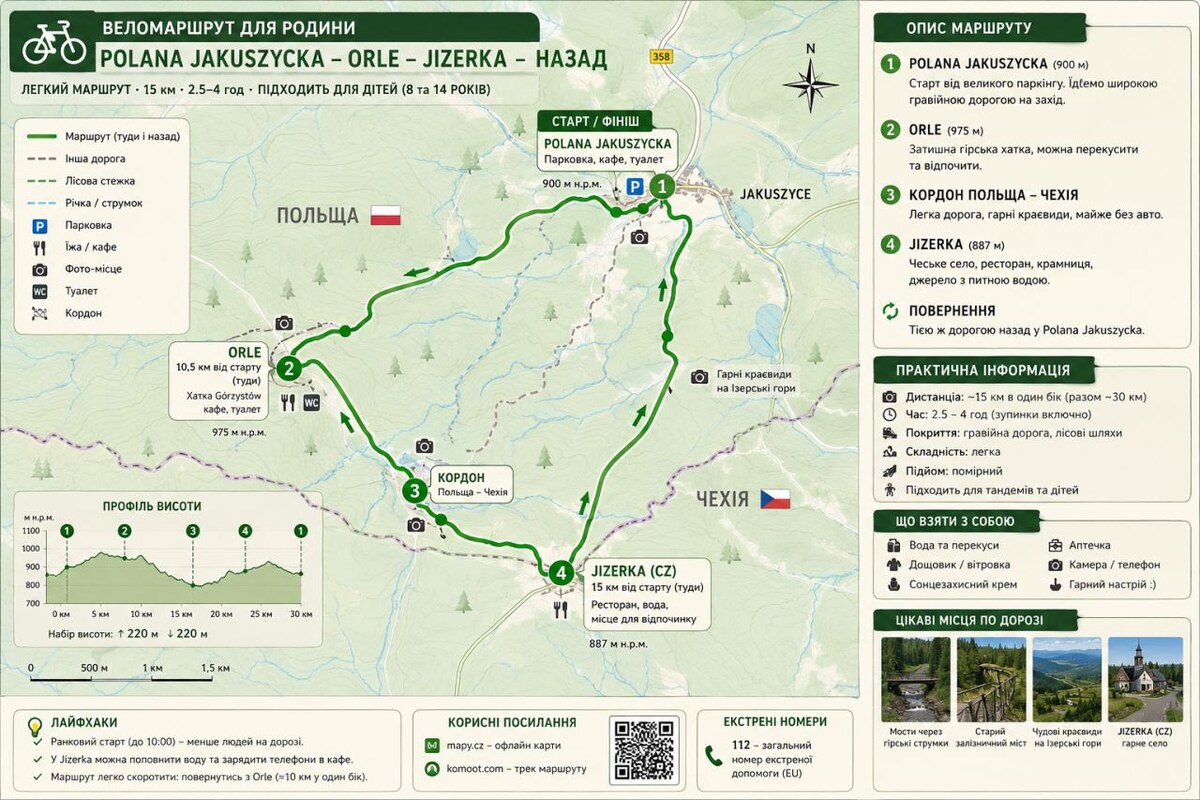
AI version of the route
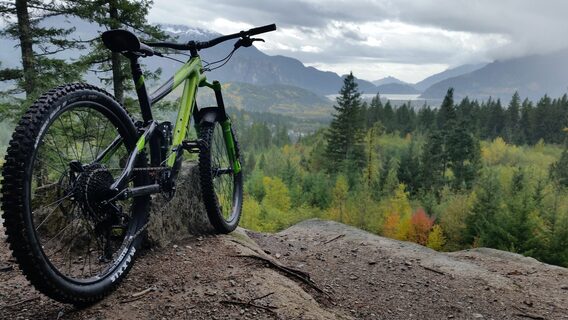
The AI was tasked with creating a mountain bike route for Anna and her children. To do this, she created a separate project in ChatGPT, where she detailed the instructions: the company's composition, interests, the assistant's tasks, and reliable sources for searching for information (such as TripAdvisor).
On the eve of the trip to the mountains, Anna sent a request in the chat. The task was complicated by the fact that the younger child had to ride with Anna in tandem on a trailer bike, and the older teenager - on his own.
The AI coped with the task in 5 minutes. At first glance, the finished plan looked perfect. However, since these were mountains, and this was the family's first experience with such a trip format, Anna decided to play it safe and check the proposed route manually.
Route check delayed
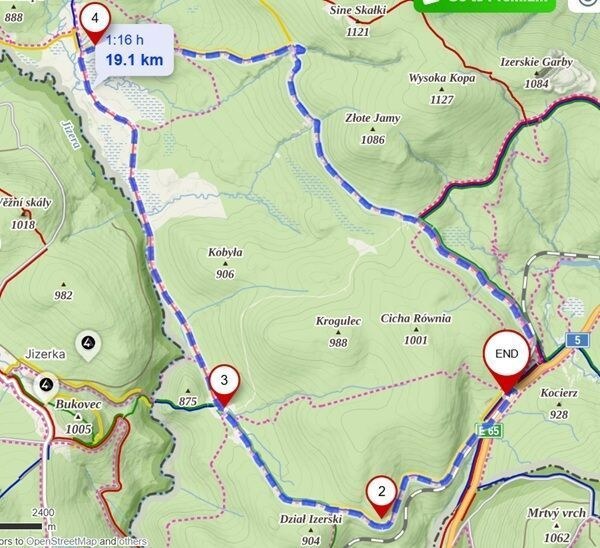
Real map
The manual check took two hours. At first, Anna spent a long time trying to find the locations indicated by the chat - it turned out that the AI had placed them in the wrong place (the real map and the AI version can be seen in the images above).
Then the meticulous difficulty analysis kicked in. Anna began to assess the terrain, trying to calculate how difficult it would be to drag a child along if the route suddenly suggested gaining 100 m of elevation in a short 2 km section. As it turned out, she would regret such a decision very quickly.
Instead of a conclusion
“The trip was made possible thanks to my efforts. But back to the AI question… Did it really save me time? Or did it just translate my work from: "find information" vs. "verify information"? My opinion: "AI is very similar to a train. It can do half a day's work in 5 minutes," Anna concluded.
“You wake up in the morning, open your email, and see that your project is no longer working.” OpenAI blocked the account of a Ukrainian developer. What happened?
Як нейромережі бачать вільну та незалежну Україну? Тест dev.ua
Нейронні мережі для генерації зображень бачать світ по-своєму, їхню логіку зрозуміти часом зовсім неможливо. Але таки хочеться. На честь Дня Незалежності України редакція dev.ua вирішила провести невеликий експеримент.
Ми задали чотирьом різним нейронним мережам п’ять однакових запитів: «прапор України», «День Незалежності України», «український Крим», «перемога України» та «українці». Отриманими результатами ми ділимося з вами нижче.
У TikTok тепер можна генерувати фон за допомогою нейромережі. Ми протестували її та ділимося результатами
У TikTok з’явилася нова функція «Розумний фон». З її допомогою як фон для тіктоків можна підставляти згенеровані нейромережею зображення. Редакція dev.ua протестувала цю технологію і ділиться своїми враженнями.
Слово "аналітикиня" порушує орфоепічні норми української мови, тож порушує літературний стандарт.
А найцікавіше, що авторка назвала героїню цим словом виключно тому, що прочитала її ім'я, яке недвозначно вказує на стать. А навіщо цей плеоназм? У мові, як і взагалі в природі, працює принцип економії, який втілюється в семіотичному трикутнику.
Я знаю, що ви цих речей не вивчали. То познайомтеся з ними хоч тепер.
Слово про фемінативи. Українські новини, 8 жовтня 2025 року.













Слово "аналітикиня" порушує орфоепічні норми української мови, тож порушує літературний стандарт.
А найцікавіше, що авторка назвала героїню цим словом виключно тому, що прочитала її ім'я, яке недвозначно вказує на стать. А навіщо цей плеоназм? У мові, як і взагалі в природі, працює принцип економії, який втілюється в семіотичному трикутнику.
Я знаю, що ви цих речей не вивчали. То познайомтеся з ними хоч тепер.
Слово про фемінативи. Українські новини, 8 жовтня 2025 року.