"Return Alive" joined the project of ammunition against FPV drones: they can be used with regular weapons
The Ukrainian military will receive a new tool to counter FPV drones, namely special ammunition for 5.45 and 5.56 mm caliber assault rifles.


The Ukrainian military will receive a new tool to counter FPV drones, namely special ammunition for 5.45 and 5.56 mm caliber assault rifles.
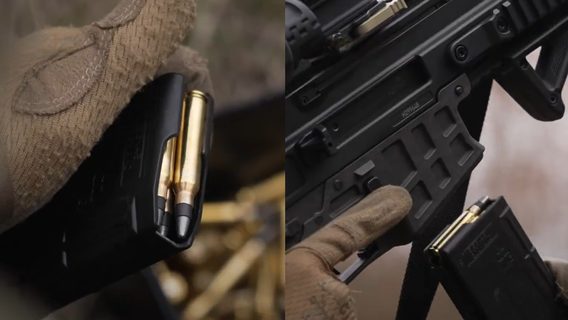
The Ukrainian military will receive a new tool to counter FPV drones, namely special ammunition for 5.45 and 5.56 mm caliber assault rifles.
According to Militarny, the foundation's senior sniping instructor Ruslan Shpakovich took part in the creation of ammunition designed to destroy enemy FPV drones, including those controlled via fiber optics. The foundation published a video of the tests of the new product on its YouTube channel.
According to Shpakovich, the new bullets do not replace electronic warfare systems, but can become an individual means of protection for fighters in situations where it is impossible to hide or apply other countermeasures in time. The use of such ammunition will be useful not only for infantry, but also for UAV crews, evacuation groups and units that are often under threat from kamikaze drone attacks.
The ammunition has a segmental design: the main part of the bullet is made of lead, and the striking elements are brass balls with a diameter of 5 mm. The use of brass ensures flight stability, as the lead would deform when leaving the barrel. When fired at a distance of 30–70 meters, a kind of “cloud of fragments” is formed, which increases the chance of hitting a high-speed target.
An important advantage is the ability to use standard small arms without the need to carry separate rifles to combat drones. This increases mobility, allows for maintaining a rate of fire, and does not reduce combat effectiveness.
The massive use of FPV drones on the frontline has become one of the biggest threats to the Ukrainian military. Therefore, the creation of innovative countermeasures, even such as ammunition for machine guns, significantly increases the chances of fighters to defend themselves from attacks. Previously, Ukraine had already developed other solutions - from mesh systems to special interceptor drones, but the new approach makes it possible to integrate countermeasures directly into the soldiers' regular weapons.
We previously wrote about how the Brave1 defense cluster initiated the development of anti-drone rounds that significantly increase the military's chances of hitting a moving target. The manufacturer has already codified this development according to NATO standards.