Хочете будувати кар’єру в Data Science та AI? Vodafone Big Data Lab відкриває новий набір —>
Олександр КузьменкоWar
1 August 2026, 13:40
2026-08-01
The Russian Rassvet satellites already provide more than two communication windows per day over Ukraine.
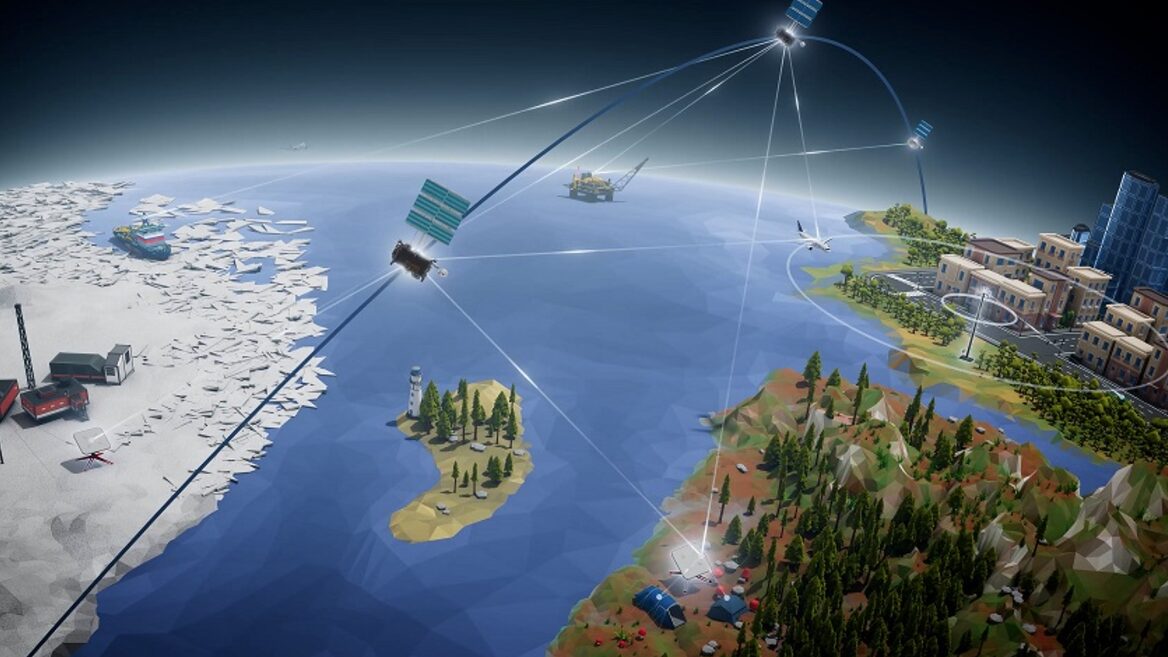
The Rassvet communications satellite constellation of the Russian company Bureau 1440 has effectively completed its deployment into a working formation. The devices are already capable of providing at least two stable «communication windows» over the territory of Ukraine, each lasting more than an hour.
The Rassvet communications satellite constellation of the Russian company Bureau 1440 has effectively completed its deployment into a working formation. The devices are already capable of providing at least two stable «communication windows» over the territory of Ukraine, each lasting more than an hour.
This was stated by satellite communications expert Volodymyr Stepanets in a comment to the publication «Military».
According to the expert, as of July 31, 2026, 12 of the 16 satellites launched at the end of March had reached an operating altitude of 550 kilometers. Three more devices are gradually rising into orbit, and one satellite burned out, presumably due to a manufacturing defect.
Analysis of data from the N2YO service shows that the devices pass within line of sight over Ukraine four times a day. However, only during two or three passes do they rise high enough above the horizon to ensure a stable connection with the terminals.
«We see that a chain with good coverage has actually already been formed, which forms such good coverage approximately twice a day, but in reality there are more of these arrivals, that is, several such chains can fly over certain regions with an interval of approximately once every hour and a half. But what is important is that these satellites already provide quite dense coverage,» said Volodymyr Stepanets.
During the established communication windows, Russian troops are able to transmit data and control naval drones, as well as heavy strike and reconnaissance UAVs. Experts warn that after the start of mass production, the terminals can be integrated not only into classic control points or armored vehicles, but also into long-range drones of the Geran and Harpy families, as well as used to adjust cruise missiles and aerial bombs.
In late July, Russia launched a second group of 16 satellites for the Rassvet project. They are scheduled to reach operating altitudes in October-November 2026, adding two more potential communication windows. The Russians’ stated schedule calls for the network to begin commercial operation in 2027, with the group expanding to 250 satellites and 730 by 2030.
The Rassvet project began rolling out in June 2023 with the launch of three Rassvet-1 test vehicles. In May 2024, the Russians launched three Rassvet-2 prototypes into orbit to test inter-satellite laser communication, and in March 2026, they launched the first 16 production satellites.
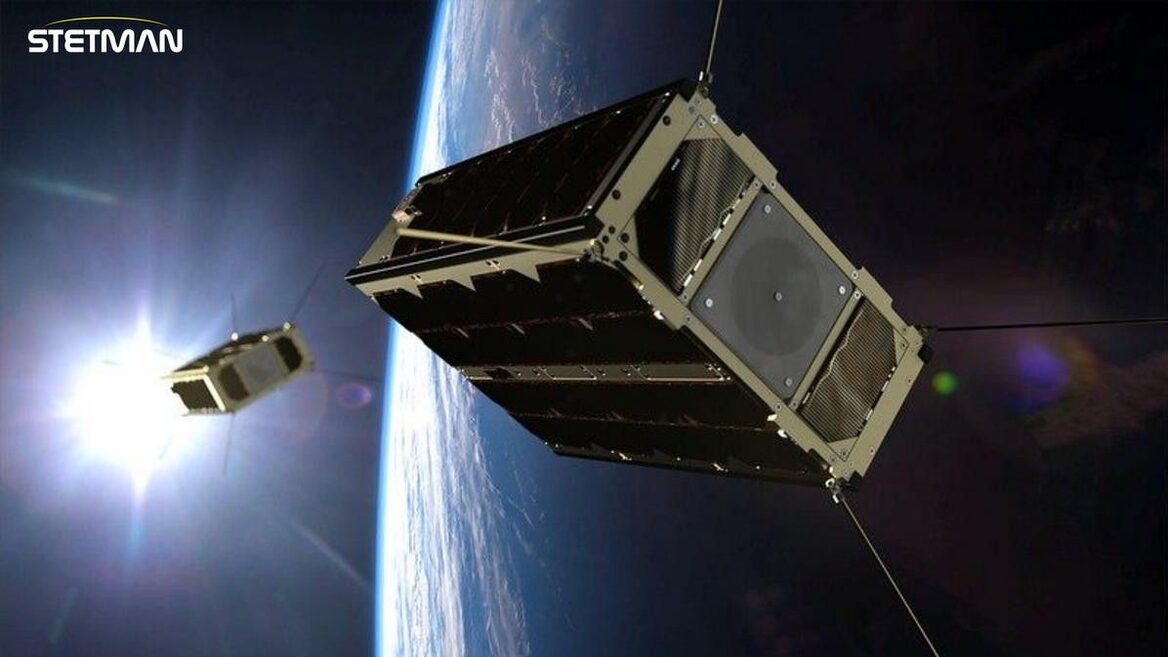
In July, the Russian company Bureau 1440 launched a second group of Rassvet communications satellites, which are being developed as an analogue of the Starlink satellite network. The latest launch brings the total number of these devices in orbit to approximately 40.