Наталя ХандусенкоHot News
9 October 2026, 17:11
2026-10-09
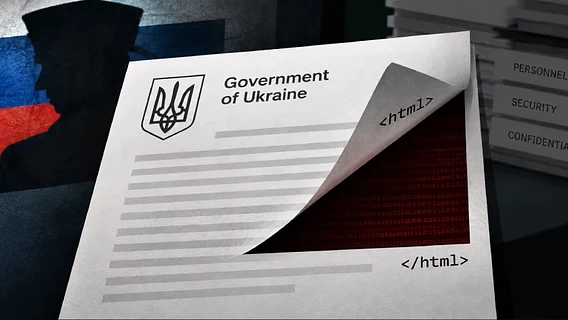
Russian hackers are attacking Ukrainians with a new Trojan, ASHVEIN, that hides commands in HTML. Targets range from government structures to civilian logistics
The Russian-linked hacker group UAC-0099 has developed a new malware, a spyware and remote access virus (RAT) called ASHVEIN (internal name TelemetryBrowser).
The Russian-linked hacker group UAC-0099 has developed a new malware, a spyware and remote access virus (RAT) called ASHVEIN (internal name TelemetryBrowser).
This is reported by cybersecurity researchers at TrendAI.
The main targets of the attacks were Ukrainian civil servants, military personnel, border guards, as well as logistics companies that provide supplies in the country.
ASHVEIN is a complex spyware tool that allows attackers to take complete control of an infected computer, writes The Hacker News.
The virus reads saved credentials from Chrome and Firefox browsers, silently takes screenshots and collects system information. It also finds and transfers documents and files from the device to hackers, allowing them to execute command scripts (PowerShell) and gain full control over the PC.
A special feature of ASHVEIN is that it hides commands for execution inside transparent (invisible) HTML code elements, and also uses encrypted communication channels with its servers.
Hackers use phishing and manipulation to infect computers. In particular, they send a file called AnswerFromPolice.
When opening this file, the user is shown a fake document that mimics an official response from the National Police of Ukraine. While the victim reads the text, the ASHVEIN malware is secretly installed in the background.
According to ESET, the UAC-0099 group has been operating since at least mid-2022 and often acts as a “gateway” (primary access provider) for the more dangerous Russian hacking unit Sandworm, known for its devastating cyberattacks on Ukrainian infrastructure.
Analysts note that UAC-0099 is constantly updating its arsenal, and the expansion of targets from government structures to civilian logistics indicates the enemy's attempts to disrupt supply chains in Ukraine.