Хочете будувати кар’єру в Data Science та AI? Vodafone Big Data Lab відкриває новий набір —>
Олександр КузьменкоWeapon
23 March 2026, 15:10
2026-03-23
Ukrainian operators controlled the Vampire drone in the Kupyansk direction from a distance of 1,100 km
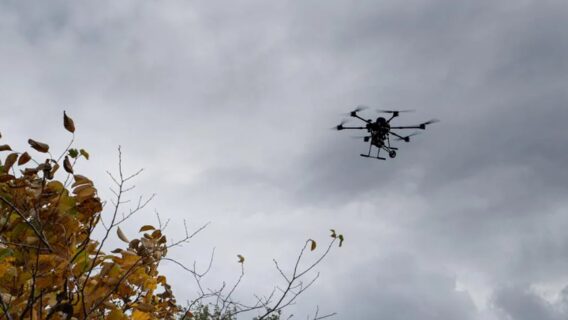
Operators of the Orion unit were among the first in Ukraine to test remote drone control technology, which allows piloting UAVs from anywhere in the world.
Operators of the Orion unit were among the first in Ukraine to test remote drone control technology, which allows piloting UAVs from anywhere in the world.
«Imagine: a pilot opens a laptop in an ordinary apartment somewhere in western Ukraine, connects to the Internet, takes the remote control, and in a few minutes is controlling a combat drone flying over the front in the Kharkiv region. It successfully delivers water, food, and ammunition to fighters in positions or performs a combat mission. The front line is hundreds of kilometers away,» they tell about their experience at Orion.
The unit noted that the technology of remote control of drones had already been tested several years ago, but on drones that are almost five times more expensive than the Vampire: they are much harder to control, more expensive and more difficult to maintain. In contrast, the Vampire can be mastered in just 5 days, and they have better protection against electronic warfare.
Photo of the Orion unit
Orion said that they were looking for solutions that could protect Ukrainian operators from being attacked by the enemy.
«Ukrainian engineers were able to adapt the technology of remote control of heavy drones via satellite communication. This allowed the pilots to be taken a considerable distance from the front and obtain a stable control channel,» said Vladislav Zolotaryov, an officer of the Orion unit headquarters control group.
How the technology works
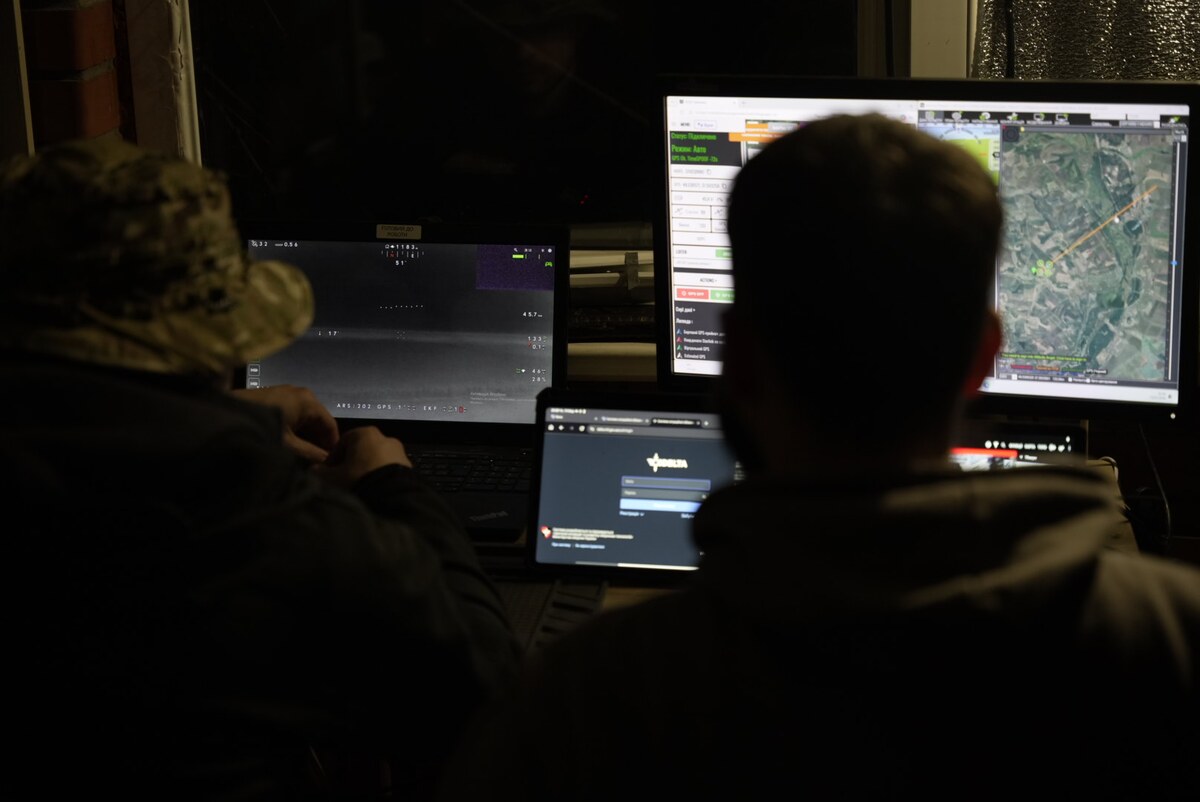
To control a drone over a long distance, you need a laptop, a remote control, and a secure internet connection.
A special module is integrated into the drone, which allows the transmission of a control signal via a satellite communication channel. After connection, the operator gains full control over the drone and can perform missions at the front, being hundreds of kilometers away from the fighting.
In fact, the only condition for operation is a stable internet connection. Controlling via satellite internet significantly reduces the limitations of radio communication: the drone can operate more stably, fly longer distances, and perform more complex missions.
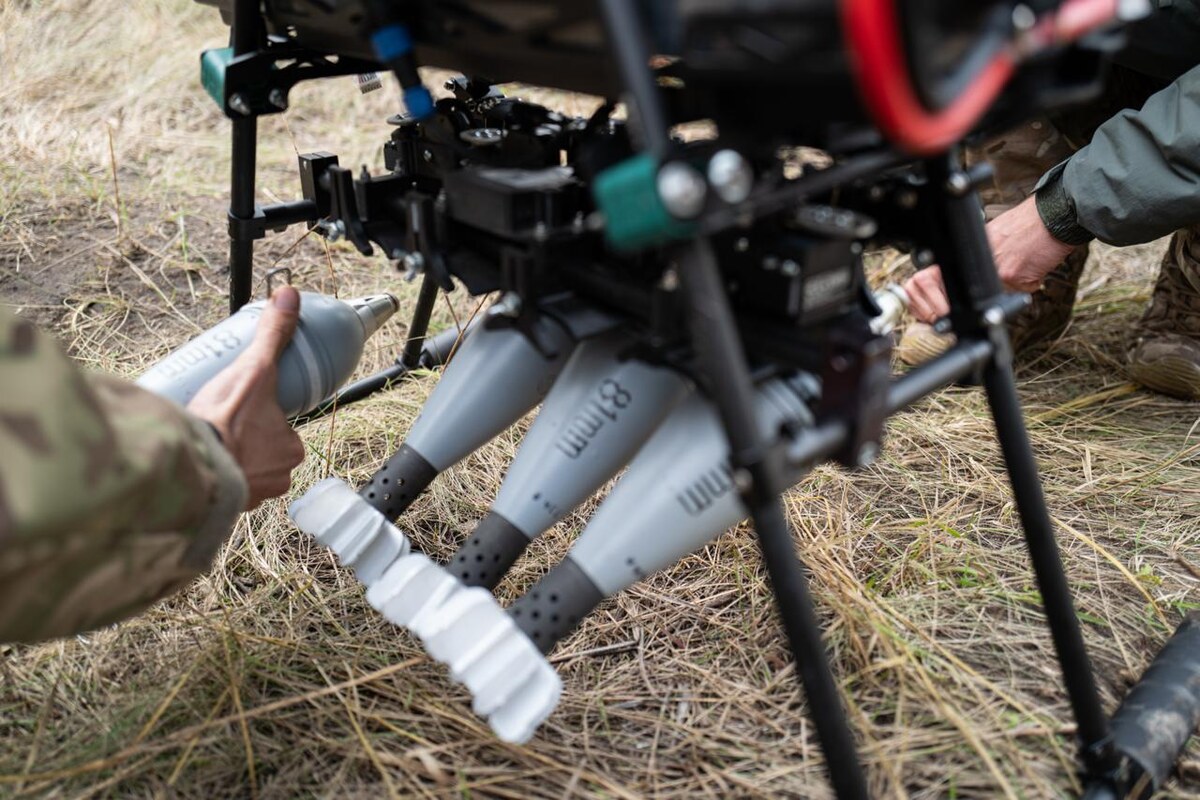
However, the main advantage is the safety of the operators. The pilot can be far from the front line, and the drones carry out reconnaissance, strike and deliver cargo to the positions. a complex logistical mission at a distance of more than 1,100 km from the front
«If the pilot is not at the front, this is actually 100% protection against damage,» Zolotarev explained.
Photo of the Orion unit
The Orion already had a complex logistical mission at a distance of more than 1,100 km from the front in one of the most difficult sections — the Kupyansk direction. The operator of the Orion unit was in western Ukraine and remotely lifted the drone, guided it to the position and delivered the necessary cargo to the Ukrainian military.
«The drone is loaded with water, food, or equipment and launched from a launch point. It flies over Oskil, lands near infantry positions or a command post, the fighters take the cargo — and the drone returns,» says Vladislav Zolotaryov, an officer in the Orion unit’s headquarters control group.
The Orion division says that they are already looking for technical solutions that will allow other drones, primarily reconnaissance drones, to be controlled in the same way.
«We will also look for similar solutions for other UAVs — for example, for Mavics or reconnaissance. They are already being tested and developed,» Zolotarev said.
The unit believes that this is the beginning of a new, more robotic phase of warfare, where more and more combat missions will be performed by drones, and humans will control them at a safe distance from the front line.